Caffeine is the most widely consumed psychoactive compound in the world. Prized for its ability to fight fatigue and sharpen mental clarity, caffeine is the go-to aid for students, professionals, gamers, and anyone needing a quick and easy way to boost alertness.
Caffeine can enhance cognition — especially alertness, attention, reaction time, and (in certain cases) memory. That's just one reason it is among the most popular psychoactive substances in the world.
About 69% of the U.S. population consumed at least one caffeinated beverage per day, according to a nationally representative 2022 beverage survey of 49,700 Americans. Among caffeine consumers, average intake was about 210 mg per day. A second NHANES analysis went even higher, finding that 89% of U.S. adults consumed caffeine, averaging about 211 mg/day.
In this article, we break down the effects of caffeine on cognitive tasks, the best dosing and timing for brain performance, and the downsides of using it incorrectly. (If you’re here for the definition debate, see: Is caffeine a nootropic?)
Key Takeaways
- Caffeine is more than a stimulant. It can function as a brain-boosting nootropic for attention, alertness, reaction time, mood, and memory, too.
- It works by blocking adenosine receptors, reducing fatigue while increasing activity of dopamine, norepinephrine, and acetylcholine for sharper focus and mental energy.
- Dosing: Cognitive studies use a range of caffeine doses, and the best amount varies by person and task. Lower-to-moderate doses can help attention and alertness while reducing the risk of high-dose overstimulation.
- Post-learning, caffeine can enhance memory consolidation, helping store new information more effectively.
- Pairing caffeine with L-Theanine can smooth jitteriness, maintain focus, and extend its cognitive effects.
Best Caffeine and Cognitive Enhancer Supplements
- Performance Lab® Caffeine 2: Top Caffeine Pill. The smartest caffeine pill, it pairs caffeine with L-Theanine for smooth, focused energy. Plus L-Tyrosine and B-Complex vitamins for neurotransmitter support and caffeine recovery. Designed for daily use, it combines precise stimulation with cognitive enhancement. More on Caffeine 2
- Pre Lab Pro®: 80 mg Caffeine + Nootropics and sport nutrients. Next-gen pre-workout designed for physical performance and cognitive sharpness. Combines 80 mg caffeine with 160 mg L-Theanine for clean, focused energy, plus sport nutrients. Enhances strength, endurance, and intensity without jitters or crashes. More on Pre Lab Pro®
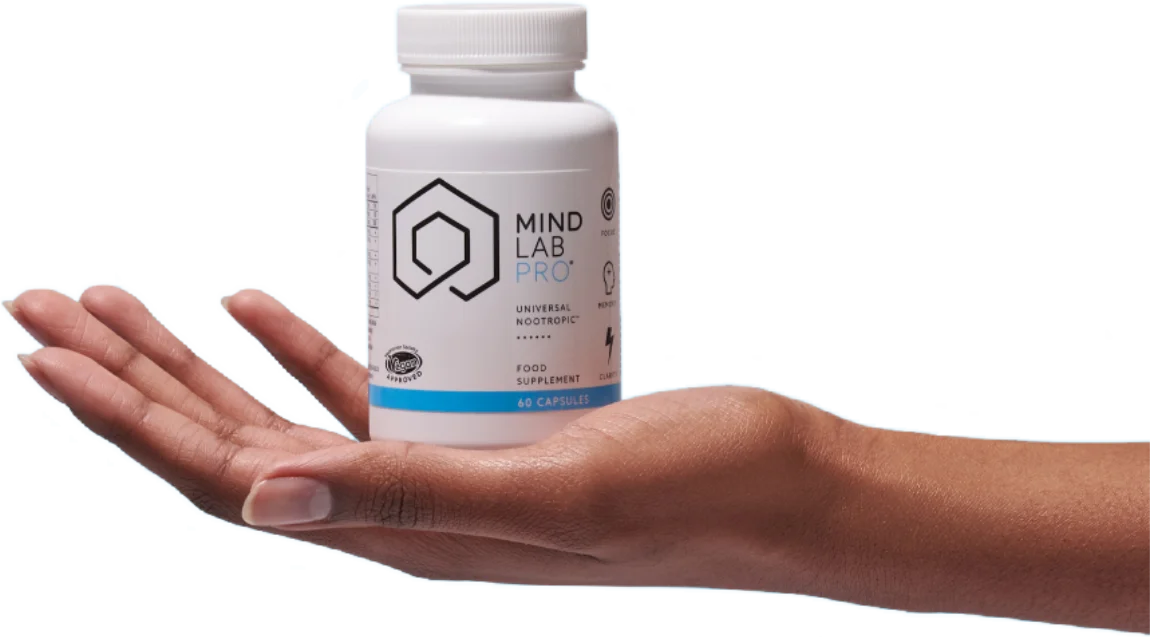
- Mind Lab Pro® (MLP®) is today's top brain supplement. 11 ingredients are backed by 145+ human clinical trials, with its unique formula is backed by 3 human research studies. Universal Nootropic boosts all cognitive functions. While MLP® is caffeine-free, it is included here because it combines so effectively with caffeine. More on MLP®
Want a full comparison? See our complete buyer’s guide: Best caffeine pills.
Looking for the best way to use caffeine for focus? This article covers performance + dosing. If you’re shopping, use these guides:
- Best caffeine pills (full buyer’s guide)
- Best caffeine + L-theanine stack (smooth focus, fewer jitters)
- Caffeine for studying (timing + study-specific tips)
- Caffeine and memory (memory consolidation + recall)
Disclaimer
This article is for educational purposes only and is not medical advice. Caffeine and caffeine supplementation are not intended to diagnose, treat, cure, or prevent cognitive decline or any other medical condition. Caffeine can affect anxiety, sleep, heart rate, and blood pressure, and individual differences in sensitivity can be substantial. If you have existing health conditions, are pregnant, or take prescription medication, consult a qualified healthcare professional before changing your caffeine intake.
How Caffeine Works in the Brain
Caffeine primarily works by blocking adenosine receptors in the brain. Adenosine is a chemical that encourages sleep and blocks arousal by slowing down activity in the central nervous system. As adenosine builds up in the body throughout the day, it slowly builds a sense of drowsiness.
Caffeine resembles adenosine structurally: it binds to adenosine receptors without activating them.
As a result, it blocks adenosine's drowsiness-inducing effects, and instead promotes feelings of alertness and physical and mental energy. In other words, you don't feel fatigued.
Blocking adenosine has a ripple effect. While adenosine activity is blunted, other neurotransmitters like dopamine, norepinephrine, and acetylcholine become more active. These neurotransmitters are associated with improved mood, attention, motivation, and reaction time.
Plus, caffeine can influence brain regions involved in executive function, including the prefrontal cortex, which supports planning, decision-making, and focused attention.
Some people ask whether caffeine “counts” as a nootropic. Definitions vary — but the practical takeaway is clear: caffeine can improve performance on many cognitive tasks when dosed correctly. If you want the definition-based criteria, read: Is caffeine a nootropic?
If your goal is clean, consistent focus, the biggest upgrade is precision dosing (instead of guessing with coffee) and stacking caffeine with calming/supportive nutrients.
Caffeine absorption is fast, with effects typically felt within 15–45 minutes of taking it. Its half-life in the body ranges from 3 to 7 hours. These acute effects make caffeine a quick-acting and accessible option for supporting mental performance, as long as you use it the right way.
Caffeine Cognitive Effects

The acute effects of caffeine are most consistently associated with alertness, attention, and reaction time, while dose, sleep status, and individual differences can influence the response. The previous studies summarized below illustrate where caffeine appears most useful for cognitive task performance.
Attention and Alertness
Caffeine is most widely known for its ability to increase alertness and improve attention. Across attention and vigilance performance tests, these benefits tend to be more obvious in people experiencing fatigue or sleep deprivation than in non-sleep-deprived individuals.
In one clinical review, researchers reported that caffeine consumption can enhance attention, vigilance, and response speed in both rested subjects and those who had restricted sleep. The review supports caffeine as a useful cognitive enhancer under fatigue and other demanding conditions, including in sleep deprived volunteers.(1)
In another study examining the effects of caffeine ingestion in withdrawn and non-withdrawn caffeine consumers, researchers observed no significant differences from short-term withdrawal on the performance measures and reported that:(2)
“ingestion of caffeine was associated with faster simple reaction time, fewer long responses, greater detection of targets in the cognitive vigilance task, and faster encoding of new information.”
Reaction Time
Reaction time is one of the cognitive abilities most consistently associated with caffeine and can contribute to improved performance on fast-paced cognitive tasks. In the study above, caffeine ingestion was associated with faster simple reaction time and faster encoding of new information.(2) Separate research on caffeine administered during severe sleep deprivation found that it helped protect against increased risk-taking, suggesting benefits can extend to decision-making under fatigue.(3)
Mood and Motivation
Caffeine enhances mood and motivation, largely due to its stimulatory effects on dopamine and norepinephrine systems. One study linked a caffeine + L-Theanine combination to improved ratings of energy, alertness, and sociability.(4)
In a comparison study between caffeine and quercetin, two adenosine receptor antagonists, researchers administered either quercetin, caffeine, or placebo to fifty-seven volunteers.(5) Caffeine is an adenosine receptor antagonist; an hour after caffeine administration, the volunteers completed visual vigilance tasks and the Profile of Mood States questionnaire. The results:
“Caffeine increased self-reported vigor and reduced fatigue and total mood disturbance Profile of Mood States scores compared with placebo. […] Caffeine (200 mg) administration resulted in the expected effects on vigilance and mood.”
These changes in mood can indirectly enhance performance by increasing enthusiasm and willingness to engage in cognitively demanding tasks. Caffeine's mood benefits are also welcomed in the workplace, helping to promote cognitive functions and mindset required for peak productivity.
Learning and Long-Term Memory
Caffeine may support memory consolidation when consumed after learning. Memory consolidation is the brain's process for strengthening new information, turning short-term memories into long-term storage.
In one placebo-controlled study, researchers found that participants who consumed caffeine shortly after studying retained more information over 24 hours than those who did not. The findings suggest caffeine enhances memory storage, especially in the early stages of consolidation.(6)
Optimal Dosing and Timing for Cognitive Tasks
When consuming caffeine for cognitive task performance, dose matters a lot because some of caffeine's most significant effects depend on getting the dose right.
Low-to-moderate caffeine amounts are commonly used in cognitive research for alertness, focus, and reaction time. The studies discussed in this article span doses from about 40 mg to 200 mg, but there is no single ideal dose for everyone. High doses are more likely to produce unwanted stimulation such as jitteriness or anxiety.
Related Post: Nootropics vs. Coffee - Get the Best Cognitive Benefits

“I’m not into energy drinks or pre-workouts that make you feel jumpy and jittery. I need focus.”
A scientific opinion from the European Food Safety Authority evaluated evidence on caffeine and increased attention and alertness, supporting the general relationship between caffeine intake and these cognitive effects.(7)
Timing also matters. Caffeine acts relatively quickly, so many people use it before mentally demanding work rather than after performance begins to fade.
Because caffeine can remain active for several hours, leave a substantial buffer before bedtime—especially if you are sensitive to its effects. Protecting adequate sleep is more important for long-term cognitive performance than squeezing in a late caffeine boost.
Who Can Benefit from Caffeine for Mental Tasks?
Caffeine supplementation isn’t just for tired office workers. A wide range of individuals can leverage caffeine's beneficial effects to sharpen their mental edge.
Students often turn to caffeine for studying and exam prep. Research shows that caffeine can improve alertness, working memory and attention, especially during periods of sleep deprivation or mental fatigue. When taken in moderate doses, it can help students stay focused during long study sessions or lectures. Discover top nootropics for studying
Professionals in demanding roles use caffeine to maintain mental clarity during high-output periods. Caffeine’s ability to enhance reaction time and reduce fatigue makes it especially useful during long workdays or creative sprints.
Athletes often use caffeine for both physical and cognitive performance. It can support energy for prolonged exercise while also helping with alertness and focus. However, athletes must take extra care to dose appropriately or risk counterproductive jitters and other side effects, and time caffeine so it does not postpone sleep, which is crucial for recovery and sport performance.
Discover today's top pre-workout supplement that combines moderate-dose (80 mg) caffeine with sport nutrients and brain-boosting nootropics
Gamers and e-sports athletes benefit from caffeine’s enhancement of cognitive abilities like hand-eye coordination, reaction speed, and focus. Controlled trials have shown improved in-game performance metrics with low to moderate caffeine intake.
Older adults may also use caffeine for alertness and attention. However, this article's existing references do not establish caffeine as a way to prevent cognitive decline, so that broader claim should be treated cautiously.
Risks and Limitations of Using Caffeine for Cognitive Enhancement
While caffeine offers cognitive benefits, it is not without drawbacks. Understanding its risks and limitations is essential for using it safely and effectively.
- Overuse and Tolerance: Regular consumption can lead to tolerance, reducing effectiveness. You may need higher doses to affect performance positively, which also increases risk of side effects.
- Anxiety and Sleep Disruption: Caffeine can worsen anxiety, especially in sensitive individuals. It may also disrupt subsequent sleep if consumed too late in the day. If that sleep loss accumulates, daytime sleepiness and poorer cognition can follow. Discover effective supplements for anxiety
- Non-linear Dose-Response: More is not always better. Low doses sometimes work better. The right caffeine dose is perfect, but go beyond that and performance also starts to decline.
- Individual Differences: Genetics, body weight, metabolism, and individual caffeine sensitivity can influence how caffeine affects cognition. The same dose may feel very different from one person to another.
- Cardiovascular and Gastrointestinal Effects: In some people, caffeine may raise blood pressure, trigger palpitations, or irritate the stomach.
With these points in mind, it’s important to balance caffeine's potential cognitive gains with personal tolerance and avoid overreliance, especially as part of a daily routine.
Best Practices for Cognitive Use of Caffeine
To maximize the cognitive benefits of caffeine while minimizing its drawbacks, focus on sensible dosing, timing, and your individual response.
Dose Smartly: Use the lowest caffeine amount that reliably gives you the effect you want. Cognitive studies use a range of doses, and more is not necessarily better. A dose that is too high can lead to overstimulation, anxiety, or diminished performance in complex tasks. Coffee consumption can make precise dosing harder; caffeine pills can offer more controlled caffeine intake.
Time It Right: Caffeine acts relatively quickly and can remain active for hours. Use it early enough to support the task at hand while leaving a generous buffer before bedtime, particularly if caffeine affects your sleep. Discover top natural sleep supplements
Pair With Strategic Habits: Combine caffeine consumption with healthy behaviors like hydration, balanced meals, and short walks. These habits support overall performance and make it easier to notice how caffeine itself is affecting you. Caffeine also has established use for exercise performance.
Choose Your Source Wisely: Not all caffeine sources are equal. Coffee and tea offer antioxidants and other beneficial compounds, while sugary energy drinks may spike insulin and cause crashes. Clean caffeine supplements or other quality stacks can offer precise dosing with added synergistic ingredients.
Personalize Based on Sensitivity: Monitor how your body responds to habitual caffeine intake. Track your sleep, mood, and focus. Adjust your intake according to your tolerance, body weight, and task type. More is not always better!
By implementing these strategies, you can use caffeine as a reliable cognitive enhancer without falling into the trap of overstimulation or dependency.
Pro Tip: Stack Caffeine with L-Theanine

L-Theanine is a naturally occurring amino acid found primarily in tea leaves, especially green tea. It’s known for its calming, non-sedative effects, which come from its ability to increase alpha brain wave activity and modulate neurotransmitters such as GABA, dopamine, and serotonin.
As a nootropic, L-theanine can help improve focus, reduce mental fatigue, and promote a relaxed but alert state.
Check out the full story on L-Theanine as a calming, clarifying nootropic
When paired with caffeine, L-theanine counterbalances caffeine’s overstimulation, smoothing out jitters while preserving its benefits for alertness, attention, and reaction time -- making the duo one of the most popular and well-researched nootropic stacks.
Why they work so well together: Caffeine blocks adenosine receptors to increase alertness and attention, while L-theanine (the calming amino acid in tea) modulates brain waves and neural signaling for a relaxed-but-focused state. Together, theanine can smooth caffeine’s jittery edge while preserving -- often enhancing -- focus, memory and other cognitive tasks.
How this became a “stack”: Tea has paired these compounds for centuries, but the combo took off in the nootropics world after early randomized trials around 2007–2010 showed additive benefits on attention and working memory versus caffeine alone.
In a randomized, placebo-controlled trial of healthy young adults (n=44), 97 mg L-theanine + 40 mg caffeine improved task-switching accuracy and subjective alertness and reduced tiredness 20–70 minutes post-dose, versus placebo. The authors concluded the combo helps “focus attention during a demanding cognitive task.”(8)
- Typical research doses: The 97 mg theanine + 40 mg caffeine combo above; other work has tested ~100 mg theanine + 50 mg caffeine with similar attention benefits.
- Practical takeaway: Many users mirror these studies with a ~2:1 theanine:caffeine ratio to get “calm focus” without stimulation spikes. (General info, not medical advice.)
Next up, let's get into the best caffeine supplements and best stim-free nootropic stack for combining with caffeine's effects. All of these top stacks include caffeine-complementing L-Theanine.
Top Caffeine Pills & Cognitive Enhancers
Performance Lab® Caffeine 2

Caffeine 2: A Smarter, Smoother Caffeine Stack. Caffeine + L-Theanine is one of the most time-tested nootropic stacks. The "smart caffeine pill" Caffeine 2 builds on this classic combo with L-Tyrosine and NutriGenesis® B-Complex vitamins.
Ingredients & Dosages: Each capsule contains 50 mg Natural Caffeine, 100 mg L-Theanine, 250 mg L-Tyrosine, and a full-spectrum NutriGenesis® B-Complex for brain-nourishing support. Take 1–4 capsules as needed, with each additional capsule adding another 50 mg of caffeine and its complementary nootropics.
The result is a high-quality formula designed to support cognitive performance while helping smooth caffeine's stimulating edge. Each capsule delivers an incremental dose, giving you more control over your caffeine intake.
Benefits of Caffeine 2
- Delivers clean, sustained energy without harsh spikes or crashes.
- Enhances focus, mental clarity, and physical vitality
- Designed to complement caffeine benefits while helping smooth overstimulation
- 50 mg caffeine per capsule enables precise dosing, so you can take caffeine at the level that works best for you
Best for: Anyone looking to stack nootropics with caffeine for clean energy, sharpened brainpower, and better mood -- all without the jitters or overstimulation. Pairs seamlessly with MLP and Performance Lab Mind.
Performance Lab® Caffeine 2
Smooth energy. Clarity. Focus. No jitters. No burnout. No crash.
Shop Now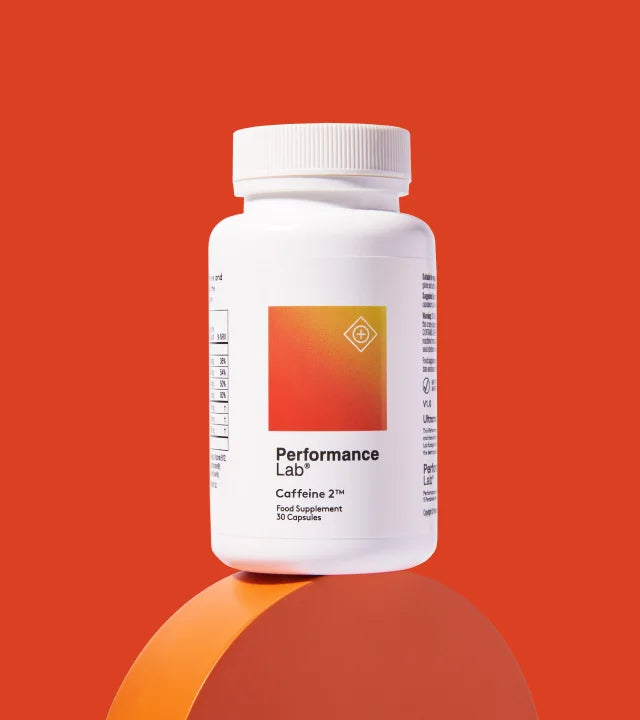
Pre Lab Pro®

Pre Lab Pro® is the top pre-workout powder supplement enhanced with nootropics. It is designed for mind-body in the gym, so caffeine is a natural fit.
However, unlike megadose pre-workouts, Pre Lab Pro® supplies a moderate caffeine dose (80 mg) paired with L-Theanine for a smoother stimulation profile, plus a nootropic and sport nutrient stack designed for performance in body and mind.
The Pre Lab Pro® formula: Red Beet Powder, 1,500 mg; Setria® for Sport (L-Citrulline + L-Glutathione), 2,200 mg; Natural Caffeine, 80 mg; L-Theanine, 160 mg; L-Tyrosine, 400 mg; Himalayan Pink Salt, 500 mg; Vitamin D3, 12.5 mcg; Potassium, 49.5 mg; Iron, 2.5 mg; Sodium, 200 mg; and NutriGenesis® Riboflavin (Vitamin B2), 0.5 mg; Vitamin B6, 0.75 mg; Folate, 167 mcg DFE; and Vitamin B12, 2 mcg.
Benefits and ergogenic effects of Pre Lab Pro®:
- 80 mg caffeine + 160 mg L-Theanine for smooth, focused stimulation
- Enhances endurance, strength, power, stamina and speed
- Promotes focus, clarity, intensity and calmness during workouts
- Supplies natural electrolytes to help with hydration, energy and mental clarity
- Stress support to help you stay balanced before, during and after your workout
Best for: Pre Lab Pro® is perfect for athletes seeking caffeine mind-body benefits, classic sport nutrition performance enhancement, and brain-boosting nootropics that tie it all together.
Mind Lab Pro®

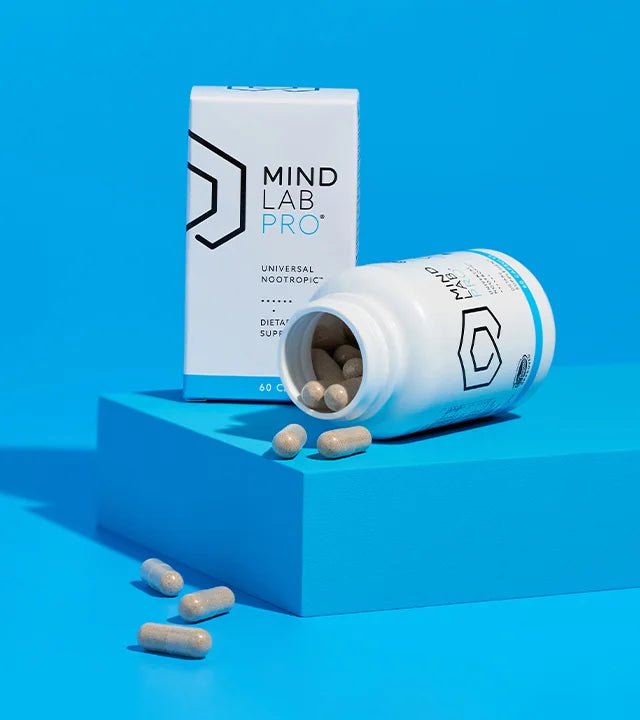
Mind Lab Pro® is a caffeine-free nootropic supplement that can complement caffeine by adding broader cognitive support from its 11 ingredients.
The full MLP formula: Citicoline, 250 mg; Phosphatidylserine (PS), 100 mg; Bacopa monnieri, 150 mg (full-spectrum extract, 24% bacosides with 9 bioactives); Organic Lion's Mane Mushroom, 500 mg (fruit and mycelium); Maritime Pine Bark Extract, 75 mg: (Standardized to 95% proanthocyanidins); N-Acetyl L-Tyrosine, 175 mg; L-Theanine, 100 mg (equivalent to what's found in 10 cups of green tea); Rhodiola rosea, 50 mg (Standardized to 3% rosavins and 1% salidrosides); NutriGenesis® B-Vitamins: Vitamin B6 (2.5 mg), Vitamin B9 (100 mcg), Vitamin B12 (7.5 mcg)
Due to its full-spectrum design, MLP supports a broad range of cognitive functions that can complement caffeine's benefits, including attention, focus, mental energy and mood. Plus, MLP supplies L-Theanine, a common partner for caffeine in nootropic stacks.
Mind Lab Pro® is Backed by Research.
MLP is also the best nootropic to stack with caffeine because it is backed by three well-designed human clinical trials that demonstrate its brain-boosting benefits:
- Healthy adults taking Mind Lab Pro for 30 days experienced significant improvements (compared to placebo) in performing information processing tasks that involve focus, attention and quick thinking.(9)
- Subjects taking MLP showed significant improvements across all memory functions tested: Auditory, visual, visual working, immediate and delayed recall memory.(10)
- Healthy people taking MLP for 60 days was associated with the brain's different regions working together more efficiently and cohesively.(11)
Read all the discoveries in studies conducted on Mind Lab Pro®
MLP is ultramodern and ultraclean. 100% vegan capsules, Vegetarian Society Vegan Approved, and verified by the Clean Label Project. GMO-Free, soy-free, gluten free, and synthetic additive free.
Best for: People who use caffeine but also want caffeine-free support for a broader range of cognitive functions.
Frequently Asked Questions
Is caffeine a nootropic?
Yes, caffeine can function as a brain-boosting nootropic that enhances attention, alertness, reaction time, mood, and memory beyond just being a stimulant. For a detailed exploration of this debate, check out our dedicated article on whether caffeine qualifies as a nootropic.
What caffeine dose is used for cognitive benefits?
Cognitive studies use a range of caffeine doses, including amounts from roughly 40 mg to 200 mg in the research discussed here. The most useful dose depends on individual sensitivity, habitual caffeine intake, and the task, so more is not necessarily better.
Does caffeine improve cognitive function?
Yes, caffeine enhances cognition by blocking adenosine receptors to reduce fatigue while increasing dopamine, norepinephrine, and acetylcholine activity for sharper focus and mental energy. It specifically improves alertness, attention, reaction time, and can enhance memory consolidation when taken post-learning.
How do non-caffeine alertness boosters work?
While this article focuses on caffeine's cognitive effects, pairing caffeine with L-Theanine can smooth jitteriness and extend cognitive benefits. For caffeine-free alternatives, Mind Lab Pro® offers 11 nootropic ingredients that boost all cognitive functions without stimulants.
“I need focus.” and “afterwards, still be able to relax…”
Is coffee a nootropic?
Coffee contains caffeine, which functions as a nootropic by enhancing attention, alertness, reaction time, mood, and memory. For optimal cognitive benefits without the downsides of coffee, consider caffeine pills that provide precise dosing and can be combined with other nootropics.
How does caffeine affect cognitive function?
Caffeine works by blocking adenosine receptors, which reduces fatigue while simultaneously increasing the activity of neurotransmitters like dopamine, norepinephrine, and acetylcholine. This mechanism results in improved focus, mental energy, attention, and reaction time, especially during periods of fatigue or sleep deprivation.
Are caffeinated mints effective for boosting focus?
Caffeine can support alertness and attention regardless of delivery format, but the actual caffeine dose matters more than whether it comes from a mint, coffee, or supplement. For more consistent dosing, see our guide to caffeine pills combined with L-Theanine.
Does coffee make you think better?
Yes, the caffeine in coffee enhances cognitive performance by improving attention, alertness, reaction time, and decision-making, particularly during fatigue. For study-specific benefits and optimal timing strategies, see our guide on using caffeine for studying.
Summary
Caffeine is far more than a morning ritual or an afternoon pick-me-up for sleep deprived individuals. When used strategically, caffeine -- whether consumed via coffee drinking or supplementation -- is a legitimate cognitive enhancer, capable of sharpening attention, improving reaction time, boosting motivation, and even supporting memory consolidation.
The key lies in dosing and timing: low-to-moderate amounts, taken at the right moments, deliver mental energy and focus without tipping into jitters or disrupted sleep.
That said, caffeine is a double-edged sword. Overuse can dull its benefits, fuel anxiety, and erode sleep quality. By personalizing your intake and pairing caffeine with synergistic compounds like L-Theanine -- or a well-designed nootropic stack -- you can pursue its advantages while limiting the downsides.
In the end, caffeine is best seen as a conditional nootropic: an accessible tool for brainpower and productivity when used wisely, but one that demands respect and moderation.
References
- Einöther, S. J., & Giesbrecht, T. (2013). Caffeine as an attention enhancer: reviewing existing assumptions. Psychopharmacology, 225(2), 251–274. Link
- Smith AP et al. Acute effects of caffeine on attention: a comparison of non-consumers and withdrawn consumers J Psychopharmacol. 2013 Jan; 27(1): 77-83. Link
- Killgore, W. D. S., Kamimori, G. H., & Balkin, T. J. (2011). Caffeine protects against increased risk-taking propensity during severe sleep deprivation. Human Psychopharmacology, 26(3), 213–223. Link
- Haskell, C. F., et al. (2005). The effects of L-theanine, caffeine and their combination on cognition and mood. Biological Psychology, 77(2), 113–122. Link
- Olson CA et al. Effects of 2 adenosine antagonists, quercetin and caffeine, on vigilance and mood. J Clin Psychopharmacol. 2010 Oct; 30(5): 573-8. Link
- Borota, D., et al. (2014). Post-study caffeine administration enhances memory consolidation in humans. Nature Neuroscience, 17(2), 201–203. Link
- European Food Safety Authority. (2015). Scientific Opinion on the substantiation of health claims related to caffeine and increased attention or alertness (ID 510, 511, 700, 701, 1315), and caffeine and performance of the wakefulness-promoting, waking-up effect (ID 1714). EFSA Journal, 13(5), 3574. Link
- Giesbrecht, T., Rycroft, J. A., Rowson, M. J., & De Bruin, E. A. (2010). The combination of L-theanine and caffeine improves cognitive performance and increases subjective alertness. Nutritional Neuroscience, 13(6), 283–290. Link
- Utley A, Gonzalez Y, Imboden CA. The Efficacy of A Nootropic Supplement on Information Processing in Adults: A Double Blind, Placebo Controlled Study. Biomed J Sci & Tech Res 49(1)-2023. BJSTR. MS.ID.007746. Link
- Abbott-Imboden C., Gonzalez Y., Utley A. (2023). Efficacy of the nootropic supplement Mind Lab Pro on memory in adults: Double blind, placebo-controlled study. Human Psychopharmacology: Clinical and Experimental, e2872. Link
- O’Reilly, D., Bolam, J., Delis, I., & Utley, A. (2025). Effect of a Plant-Based Nootropic Supplement on Perceptual Decision-Making and Brain Network Interdependencies: A Randomised, Double-Blinded, and Placebo-Controlled Study. Brain Sciences, 15(3), 226.Link