According to the CDC, an estimated 15.5 million U.S. adults had a current ADHD diagnosis in 2023. While drugs for ADHD are available and effective, they're not for everybody. This helps explain why so many people are looking for safe, practical alternatives to support attention, focus, and everyday cognitive performance.
If you're here after a "Lion’s Mane ADHD" search, you're probably looking for an answer to this big question: Can Lion’s Mane mushroom help with attention deficit hyperactivity disorder, or is it simply a good brain-health supplement?
The answer: Lion’s Mane has not been shown to help ADHD. But Lion’s Mane mushroom does have a strong nootropic reputation because it may support brain health, cognitive function, nerve growth factor pathways, and mental clarity. This article explains what ADHD is, what Lion’s Mane is, what research suggests, how the two may connect indirectly, and how to choose a Lion’s Mane supplement wisely. Let's get to it!
Key Takeaways
- Lion’s Mane mushroom is a nootropic edible mushroom traditionally used in East Asian cuisine and herbalism.
- Lion’s Mane has not been shown to treat ADHD, reduce ADHD symptoms, or replace ADHD treatment.
- Nootropics in general cannot treat ADHD, but they can help to nourish the brain and promote overall cognition.
- Lion’s Mane contains compounds such as hericenones and erinacines that are studied for nerve growth factor and brain-health pathways.
- Research suggests Lion’s Mane may support cognition, mood, brain health, and mental clarity, but direct ADHD-specific clinical trials are nonexistent.
- Because ADHD involves attention, working memory, motivation, and executive function, Lion’s Mane may be best considered as an indirect brain-health support herb rather than an ADHD solution.
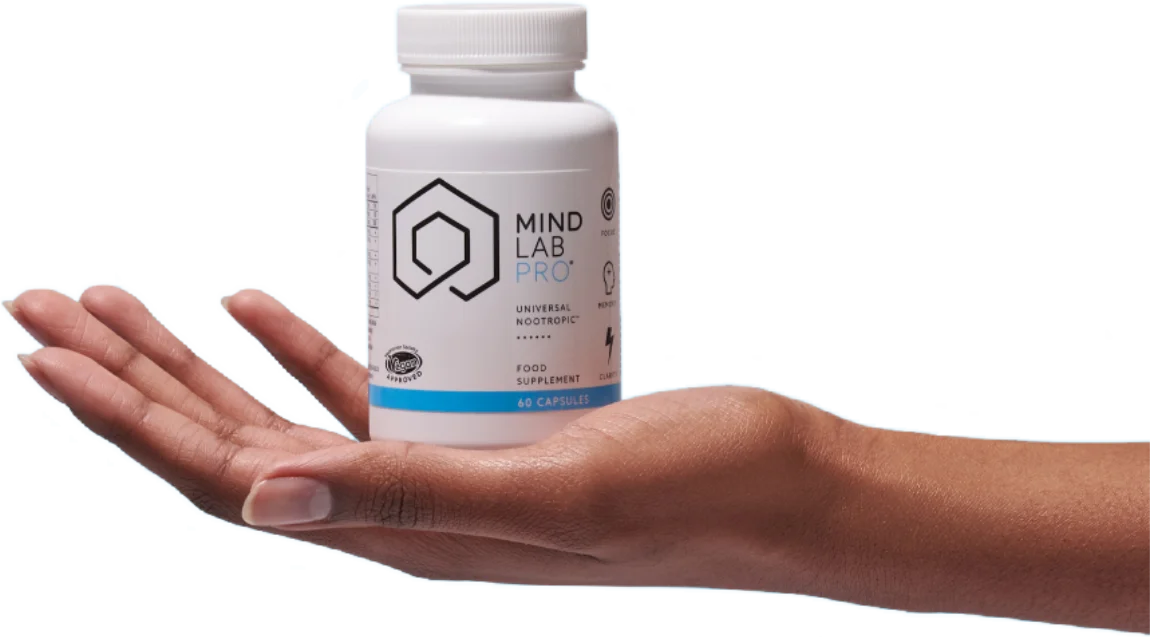
- Top brain stack Mind Lab Pro includes Lion’s Mane as part of a broader nootropic formula designed to support whole-brain health and performance.
Disclaimer
This article is for educational purposes only and is not medical advice. ADHD is a medical condition that requires professional evaluation, diagnosis, and care. Lion’s Mane supplements and other dietary supplements are not intended to diagnose, treat, cure, or prevent ADHD or any disease. Consult a qualified healthcare professional before using Lion’s Mane if you take prescription medications, have a medical condition, have mushroom allergies, are pregnant or breastfeeding, or are considering supplements as part of ADHD management.
What Is ADHD?
Attention-deficit/hyperactivity disorder, or ADHD, is a medical condition marked by persistent patterns of inattention and/or hyperactivity-impulsivity. In adults, ADHD symptoms may show up as difficulty concentrating, poor planning, disorganization, multitasking difficulty, mental fatigue, mood swings, reduced stress tolerance, and problems following through on tasks.(1)
ADHD is not simply “bad focus.” It can involve executive function, motivation, working memory, emotional regulation, and behavioral control. That is why ADHD treatment may include professional diagnosis, medication, behavioral strategies, coaching, sleep support, nutrition, and other clinician-guided approaches.
One reason ADHD is often discussed in relation to nootropics is brain chemistry (neurotransmitters). A well-known research view links ADHD to catecholamine neurotransmission, especially dopamine and norepinephrine, which are involved in attention, motivation, vigilance, and executive function.(2)
That does not mean every supplement that supports the brain helps ADHD. It means that attention and focus depend on many overlapping brain systems, and some people are interested in nootropics for ADHD as complementary cognitive support — not as a replacement for medical care.
What Is Lion’s Mane?

Lion’s Mane (Hericium erinaceus) is an edible mushroom also known as Yamabushitake, Monkey’s Head, Hedgehog Mushroom, Pom Pom Blanc, and Satyr’s Beard. It is visually distinctive, with white cascading spines that resemble a lion’s mane.
Lion’s Mane has been used for centuries in East Asian cuisine and traditional herbal systems, including Traditional Chinese Medicine and Japanese Kampo. As food, it is known for a mild, seafood-like flavor and meaty texture. As a supplement, it is best known as a nootropic mushroom used to support cognition, brain health, memory, focus, and mental clarity.
Modern interest in Lion’s Mane centers on active compounds such as hericenones and erinacines. These compounds are studied for their relationship to nerve growth factor, or NGF, a protein involved in the growth, maintenance, and survival of certain nerve cells.(3)
This is why Lion’s Mane is often discussed as one of the best mushroom nootropics. It is not a stimulant, and it is not an ADHD medication. It is a mushroom supplement with brain-health mechanisms that may be relevant to cognitive performance.
Did you know? Yamabushitake is another name for Lion’s Mane mushroom, and older supplement literature often describes it as both a bioactive mushroom and a nootropic.
Why Lion’s Mane Is a Red-Hot Nootropic
Lion’s Mane has become popular because it fits several major wellness trends at once: functional mushrooms, natural nootropics, brain-health supplements, and stimulant-free focus support.
Unlike caffeine or prescription stimulants, Lion’s Mane is not mainly used for an acute “push.” Its appeal is more foundational. People take Lion’s Mane supplements to support long-term brain health, cognitive function, memory, focus, mental clarity, and healthy aging pathways.
Another reason Lion’s Mane stands out is that it is a mushroom with a specific brain-health story. Many mushrooms are known for immune support, antioxidant defense, or general wellness. Lion’s Mane is different because its best-known compounds are linked to NGF-related pathways and neurotrophic activity.
For a broader guide to this mushroom’s traditional uses, supplement forms, and health benefits, see this article on Lion’s Mane mushroom benefits.
How Lion’s Mane Helps the Brain

Lion’s Mane may support the brain through several overlapping pathways. These mechanisms do not prove that Lion’s Mane helps ADHD specifically, but they help explain why people interested in attention, focus, and cognitive function are curious about it.
Nerve Growth Factor Support
Lion’s Mane is best known for its relationship with nerve growth factor pathways. NGF is involved in the maintenance and survival of certain neurons, and Lion’s Mane compounds have been studied for neurotrophic properties.(3)
In practical supplement language, this means Lion’s Mane may help support the brain’s natural maintenance and plasticity pathways. It does not mean Lion’s Mane regrows nerves in humans, treats neurological disease, or reverses cognitive decline.
Cognitive Function and Mental Clarity
Lion’s Mane is often used to support memory, focus, and mental clarity. These benefits are especially relevant to nootropic users because cognitive function depends on healthy brain cells, signaling, and energy-demanding mental processes.
In an older double-blind, placebo-controlled clinical trial, adults with mild cognitive impairment took Yamabushitake powder for 16 weeks. The Lion’s Mane group showed improved cognitive scores during the supplementation period, though scores declined after supplementation stopped.(4)
This is relevant to brain health and cognition, but it is not ADHD research. The study focused on older adults with mild cognitive impairment, not children or adults with ADHD.
Brain-Health Research Context
Research on Lion’s Mane includes clinical research, animal studies, and mechanisms-of-action investigations. For example, a 2023 study reported that hericerin derivatives activated a neurotrophic pathway in hippocampal neurons and enhanced spatial memory in an animal model.(5)
That is scientifically interesting because the hippocampus is involved in learning and memory. But animal and cell research should be interpreted cautiously. It can help explain possible mechanisms, but it cannot be used to claim that Lion’s Mane improves ADHD symptoms in humans.
Can Lion’s Mane Help ADHD?
There is currently no strong clinical evidence showing that Lion’s Mane treats ADHD or directly improves ADHD symptoms. That should be the starting point for any honest answer.
However, Lion’s Mane may still be relevant to people with attention concerns for a more indirect reason: ADHD involves cognitive functions such as attention, working memory, motivation, mental clarity, stress tolerance, and executive performance. Lion’s Mane is not an ADHD treatment, but it may help support some underlying brain-health pathways that matter for cognitive performance.
In other words, Lion’s Mane may be better regarded as:
- Brain-health support, not ADHD treatment
- Cognitive-function support, not a stimulant substitute
- Neurotrophic pathway support, not nerve regeneration in humans
- Indirect focus support, not proven symptom reduction
A supplement can support normal cognitive function without being proven to manage a medical condition. That is especially important with ADHD, where a doctor's diagnosis, prescription medications and clinician-guided therapies are more appropriate.
Lion’s Mane Evidence: What the Research Suggests
Lion’s Mane research is promising, but it is not yet conclusive for ADHD. The strongest takeaway is that Lion’s Mane has brain-health research behind it, including studies on neurotrophic activity and cognitive function, but more human studies are needed.
Neurotrophic Properties
A review on the neurotrophic properties (neurotrophic means kind of like "fertilizer" for brain cells and neurons) of Hericium erinaceus described Lion’s Mane as a source of compounds with potential relevance to nerve growth factor and brain-health pathways.(3)
This helps explain why Lion’s Mane is discussed as a nootropic mushroom. The possible implication is that Lion’s Mane may support aspects of brain-health related to cognition and neural maintenance. It does not prove ADHD benefits, at least not directly.
Mild Cognitive Impairment Study
In a double-blind, placebo-controlled trial, adults with mild cognitive impairment took Yamabushitake for 16 weeks. Researchers reported improved cognitive function scores during supplementation compared with placebo, though improvements declined after stopping.(4)
This study supports interest in Lion’s Mane for cognitive function. But it studied older adults with mild cognitive impairment, not people with ADHD. This is more brain-health support evidence, not ADHD-specific evidence.
Animal and Mechanism-of-Action Research
Animal and mechanistic studies suggest Lion’s Mane compounds may influence neurotrophic pathways, neurons in the brain's hippocampus, inflammation-related pathways, and memory-related outcomes.(5)
Lion’s Mane Dosage for ADHD: Is There an Official Dose?
There is no official recommended Lion’s Mane dosage for ADHD because Lion’s Mane has not been established as an ADHD supplement. (No dietary supplement has!)
General Lion’s Mane supplements often provide a wide range, commonly around 250 mg to 2,500 mg per day depending on extract form, mushroom part, and formula design. For beginners, a conservative range such as 500 mg to 1,000 mg per day is often used to assess tolerance and effects first.
Older clinical research on Yamabushitake used 1,000 mg three times per day, for a total of 3,000 mg daily, in adults with mild cognitive impairment.(4)
For practical guidance on forms, timing, and ranges, see this Lion’s Mane dosage guide.
How to Choose a Good Lion’s Mane Supplement
Not all Lion’s Mane supplements are equal. Quality matters because labels can vary in mushroom part, extract type, dose, testing, and transparency.
Look for Clear Species Identification
A good Lion’s Mane supplement should clearly identify Hericium erinaceus. Avoid vague labels that simply say “mushroom blend” without showing what is actually included.
Check Fruiting Body, Mycelium, or Both
The fruiting body is the visible mushroom. Mycelium is the root-like fungal network. Some Lion’s Mane products use fruiting body, some use mycelium, and some use both. Because different compounds may be associated with different mushroom parts, transparent labeling matters.
Prefer Clean Extraction and Transparent Dosing
Look for a clear dose per serving and an explanation of extract type. Hot-water extraction is commonly used for mushroom polysaccharides and beta-glucans. A high-quality product should make it easy to understand what you are taking.
Look for Testing and Clean-Label Standards
Because mushrooms can absorb substances from their environment, quality testing is important. Look for reputable manufacturers that test for identity, purity, microbial contamination, heavy metals, and other quality factors.
If you want to check out a detailed buyer’s guide, see our article on the best Lion’s Mane supplement.
Who Should Be Careful With Lion’s Mane?
Lion’s Mane is commonly used as a dietary supplement, but that does not mean it is right for everyone.
Use extra caution or consult a healthcare professional before taking Lion’s Mane if you:
- Have a mushroom allergy
- Have had allergic reactions, skin rashes, itching, or breathing symptoms from mushrooms
- Take prescription medications
- Use diabetes medications or blood pressure medications
- Use blood-thinning medication or have blood clotting concerns
- Are pregnant or breastfeeding
- Have an immune-system condition
- Are preparing for surgery
- Are considering Lion’s Mane as part of ADHD management
Itchy skin may occur and may be related to increased nerve growth factor unless accompanied by signs of allergy. Still, any rash, allergic reaction, breathing difficulty, or concerning symptom should be taken seriously.
FAQ
Does Lion’s Mane help ADHD?
Lion’s Mane has not been shown to treat ADHD or directly improve ADHD symptoms. It may support brain health, cognitive function, mental clarity, and nerve growth factor-related pathways, which may be indirectly relevant to attention and focus.
Can Lion’s Mane replace ADHD medication?
No. Lion’s Mane should not replace prescribed medication, behavioral therapy, medical care, or any ADHD treatment plan. ADHD requires professional evaluation and treatment when appropriate.
Is Lion’s Mane a stimulant?
No. Lion’s Mane is not a stimulant like caffeine or stimulant medication. It is better described as a nootropic mushroom used for brain-health and cognitive-support goals.
How long does Lion’s Mane take to work?
Responses vary. Some people report noticing mental clarity or focus support sooner, while brain-health support is usually viewed as a longer-term routine. In one cognitive-function study, Yamabushitake was used for 16 weeks.(4)
What is the best Lion’s Mane dosage for ADHD?
There is no established Lion’s Mane dosage for ADHD. General Lion’s Mane supplements may provide a broad range, often around 250 mg to 2,500 mg per day, depending on form and formula. Ask a healthcare professional if you are using Lion’s Mane alongside ADHD medication or as part of ADHD management.
Is Lion’s Mane safe with ADHD medication?
Safety depends on the medication, dose, health status, and individual factors. Ask a qualified healthcare professional before combining Lion’s Mane with prescribed medication.
What nootropics have more ADHD-relevant evidence?
Some nootropics and nutrients have been studied more directly for attention or ADHD-related outcomes than Lion’s Mane, including omega-3 fatty acids, phosphatidylserine, L-theanine, citicoline, maritime pine bark, and certain vitamins and minerals. A broader overview is available in this guide to nootropics for attention and focus.
Mind Lab Pro®: A Broader Nootropic Stack With Lion’s Mane

Lion’s Mane alone has not been shown to help ADHD. But it does appear to support overall brain function in a lot of different ways, which may make it useful as part of a broader nootropic strategy for people interested in attention, focus, mental clarity, and whole-brain performance.
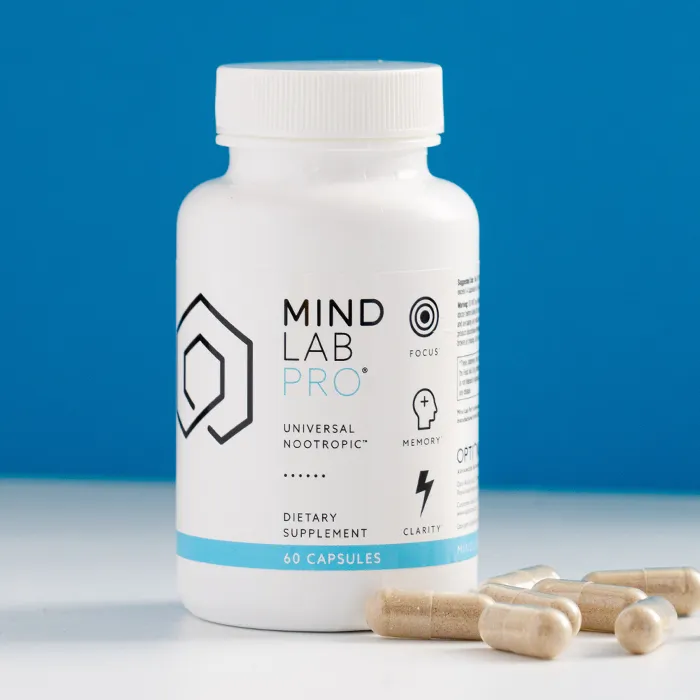
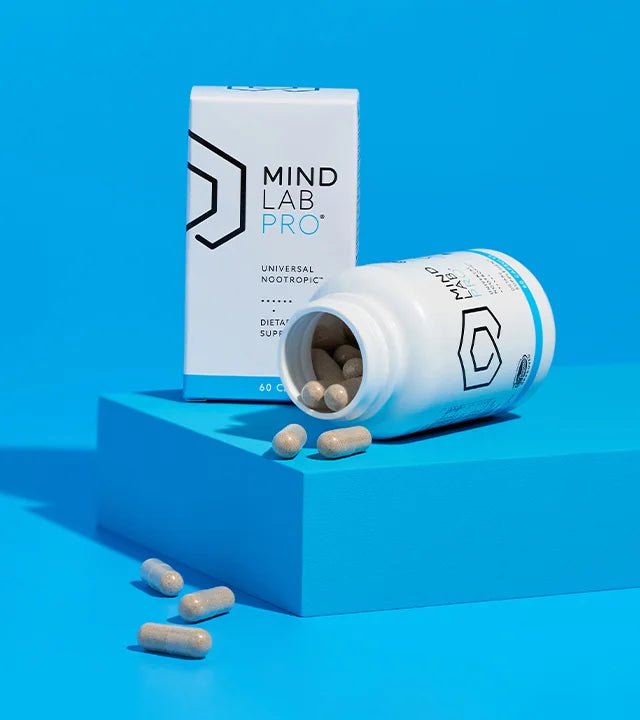
Mind Lab Pro® includes Lion’s Mane as part of a vegan-friendly, caffeine-free nootropic formula designed to support whole-brain performance.
Instead of relying on one mushroom, it combines Lion’s Mane with nootropics that support multiple cognitive pathways, including brain energy, neurotransmitter activity, stress resilience, memory, attention, and cerebral blood flow.
The full Mind Lab Pro formula includes:
- Citicoline 250 mg
- Phosphatidylserine 100 mg from sunflower lecithin
- Bacopa Monnieri 150 mg as full-spectrum extract, 24% bacosides with 9 bioactives
- Organic Lion’s Mane Mushroom 500 mg from fruit and mycelium
- Rhodiola Rosea 50 mg standardized to 3% rosavins and 1% salidrosides
- L-Theanine 100 mg
- N-Acetyl L-Tyrosine 175 mg
- Maritime Pine Bark Extract 75 mg standardized to 95% proanthocyanidins
- NutriGenesis® Vitamin B6 2.5 mg
- NutriGenesis® Vitamin B9 100 mcg
- NutriGenesis® Vitamin B12 7.5 mcg
For ADHD-related interest, the key distinction is that Mind Lab Pro is not positioned as an ADHD treatment. It is a cognitive performance formula. Its relevance comes from supporting brain functions that overlap with attention and executive performance, including focus, memory, processing speed, mental energy, and stress resilience.
Two MLP ingredients that are particularly relevant to attention performance:
Citicoline
Citicoline (especially as the quality branded form, Cognizin®) supports brain energy and cell membrane pathways, and it has been studied for attentional performance in healthy adults. In one study, citicoline administration was associated with improved attentional performance in healthy adult women.(6) This does not prove ADHD benefits, but it helps explain why citicoline is often considered one of the stronger nootropics for attention support.
Maritime Pine Bark Extract
Maritime Pine Bark Extract supplies proanthocyanidins that support antioxidant defense and healthy circulation. The source material notes that pine bark extract (as the premium branded form, Pycnogenol®) has been investigated for ADHD and that early research suggests potential support for attention, concentration, and mental energy.(7)
Read more about Maritime Pine Bark Extract
Mind Lab Pro Research
Mind Lab Pro is a rare nootropic stack that has been investigated in well-designed research studies. Quick summaries:
- In a double-blind, placebo-controlled study, adults taking Mind Lab Pro for 30 days showed improvements in information-processing tasks, including simple reaction time, choice reaction time, and anticipation, suggesting potential support for processing speed and quick thinking.(8)
- In another double-blind, placebo-controlled study, Mind Lab Pro was associated with improvements across memory measures, including auditory memory, visual memory, visual working memory, immediate recall, and delayed recall.(9)
- A third study reported EEG findings suggesting enhanced communication and coordination between brain regions after Mind Lab Pro supplementation, especially involving slow-wave delta activity.(10)
Read the full story on MLP research studies.
For people researching Lion’s Mane for ADHD, the key takeaway is this: Lion’s Mane may be useful brain-health support, but a broader nootropic stack may make more sense. Such a stack (like Mind Lab Pro) may better address the goal of whole-brain performance: attention, working memory, mental energy, stress resilience and a lot more.
And remember: Although they may be helpful, nootropics are not treatments for ADHD. It's best to talk to your doctor first for a diagnosis and treatment plan.
Summary
Lion’s Mane has not been shown to treat ADHD, reduce ADHD symptoms, or replace prescribed ADHD medication. That is the most important point.
However, Lion’s Mane is still a promising nootropic mushroom for brain-health support. It has a long history of use in cuisine and traditional herbalism, contains compounds associated with nerve growth factor pathways, and has human research suggesting possible cognitive-function support in older adults with mild cognitive impairment.
For ADHD specifically, Lion’s Mane is best viewed as indirect support: potentially useful for brain health, cognitive function, and mental clarity, but not a proven ADHD supplement. If your goal is broader attention support, a more complete nootropic strategy — including ingredients such as citicoline, maritime pine bark, L-theanine, N-acetyl L-tyrosine, and Lion’s Mane — may be more helpful.
Always talk with a qualified healthcare professional if you have ADHD, take prescribed medication, or are considering supplements as part of your attention-support routine.
References
- Centers for Disease Control and Prevention. (n.d.). ADHD diagnosis. Link
- Prince, J. (2008). Catecholamine dysfunction in attention-deficit/hyperactivity disorder: An update. Journal of Clinical Psychopharmacology, 28(3 Suppl 2), S39-S45. Link
- Lai, P. L., Naidu, M., Sabaratnam, V., Wong, K. H., David, R. P., Kuppusamy, U. R., Abdullah, N., & Malek, S. N. (2013). Neurotrophic properties of the Lion’s mane medicinal mushroom, Hericium erinaceus from Malaysia. International Journal of Medicinal Mushrooms, 15(6), 539-554. Link
- Mori, K., Inatomi, S., Ouchi, K., Azumi, Y., & Tuchida, T. (2009). Improving effects of the mushroom Yamabushitake (Hericium erinaceus) on mild cognitive impairment: A double-blind placebo-controlled clinical trial. Phytotherapy Research, 23(3), 367-372. Link
- Martínez-Mármol, R., Chai, Y., Conroy, J. N., Khan, Z., Hong, S. M., Kim, S. B., Gormal, R. S., Lee, D. H., Lee, J. K., Coulson, E. J., Lee, M. K., Kim, S. Y., & Meunier, F. A. (2023). Hericerin derivatives activate a pan-neurotrophic pathway in central hippocampal neurons converging to ERK1/2 signaling enhancing spatial memory. Journal of Neurochemistry, 165(6), 791-808. Link
- McGlade, E., Locatelli, A., Hardy, J., Kamiya, T., Morita, M., Morishita, K., Sugimura, Y., & Yurgelun-Todd, D. (2012). Improved attentional performance following citicoline administration in healthy adult women. Food and Nutrition Sciences, 3(6), 769-773. Link
- Robertson, N. U., Schoonees, A., Brand, A., & Visser, J. (2020). Pine bark extract for treating chronic disorders. Cochrane Database of Systematic Reviews, 2020(9), CD008294. Link
- Utley, A., Gonzalez, Y., & Imboden, C. A. (2023). The efficacy of a nootropic supplement on information processing in adults: A double blind, placebo controlled study. Biomedical Journal of Scientific & Technical Research, 49(1). Link
- Abbott-Imboden, C., Gonzalez, Y., & Utley, A. (2023). Efficacy of the nootropic supplement Mind Lab Pro on memory in adults: Double blind, placebo-controlled study. Human Psychopharmacology: Clinical and Experimental, e2872. Link
- O’Reilly, D., Bolam, J., Delis, I., & Utley, A. (2025). Neural mechanisms of cognitive enhancement with a nootropic supplement. Brain Sciences, 15(3), 226. Link