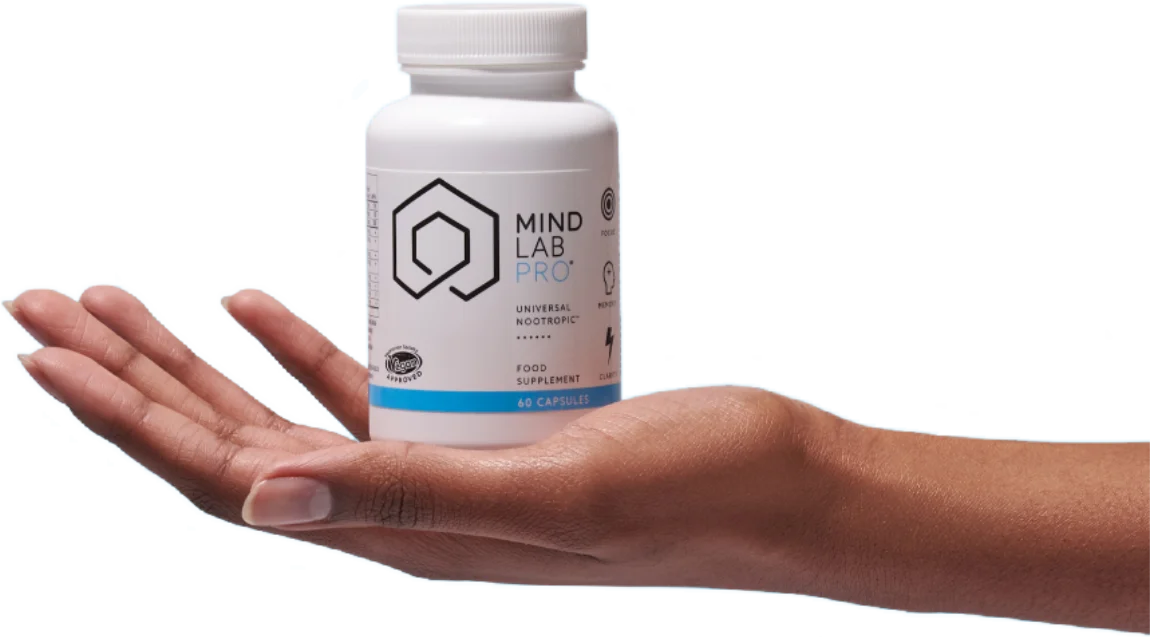


If you are a woman who feels like your focus is slipping, you aren’t imagining it. Statistics suggest many women will face significant cognitive friction at some point in their lives, whether due to hormonal shifts, underdiagnosed ADHD, or the sheer mental load of modern life. Examples:
- New ADHD diagnoses in women aged 23–49 nearly doubled between 2020 and 2023.(1)
- Up to 60% of women report "brain fog" through perimenopause and menopause.(2)
- Distressingly, 2/3rds of Alzheimer's patients are women.(3)
Brain supplements called nootropics may help in many ways: from supporting clarity and mood to protecting brain health. Top picks achieve these benefits gently and naturally, without jitters and side effects. In this guide, we're covering what nootropics women should take, how to take them, and tips for choosing a brain stack that works. Let's get to it!
Key Takeaways
- Nootropics can support focus, memory, stress resilience, and mood through non-stim pathways—useful for work, study, parenting, and training.
- The best nootropics for women tend to be non-stimulant and nervous-system friendly, supporting calm clarity rather than forced energy.
- Perimenopause and menopause: Some nootropics like adaptogens can help with mental performance, mood, clarity and stress resistance through hormonal changes.
- Smart daily nootropic picks for women: L-Theanine, Citicoline, Phosphatidylserine, Bacopa, Lion’s Mane, Rhodiola (earlier in day), Maritime Pine Bark
- If stress is hijacking your brain, prioritize adaptogens + dopamine support (Rhodiola earlier in the day + Tyrosine) before leaning on stronger stimulants.
- Brain fog often isn’t purely a “brain problem” — it’s a sleep + stress + hormones + nutrient status issue, and stacks work best when the basics are supported.
- Omega-3s are a long-game staple for women: less about a “rush” and more about mood support, membrane health, and cognitive aging over time.
- Low iron stores in women can cause “flat” energy and brain fog even without anemia—checking ferritin can be smarter than adding more stimulants.
- If you’re a woman who is caffeine sensitive, aim for “calm focus” stacks (L-Theanine + Citicoline + PS) instead of brute-forcing energy.
- If you’re pregnant, breastfeeding, or on SSRIs/thyroid meds/blood thinners, keep stacks conservative and consider medical guidance before supplementing.
Top Brain Supplements for Women to Consider:
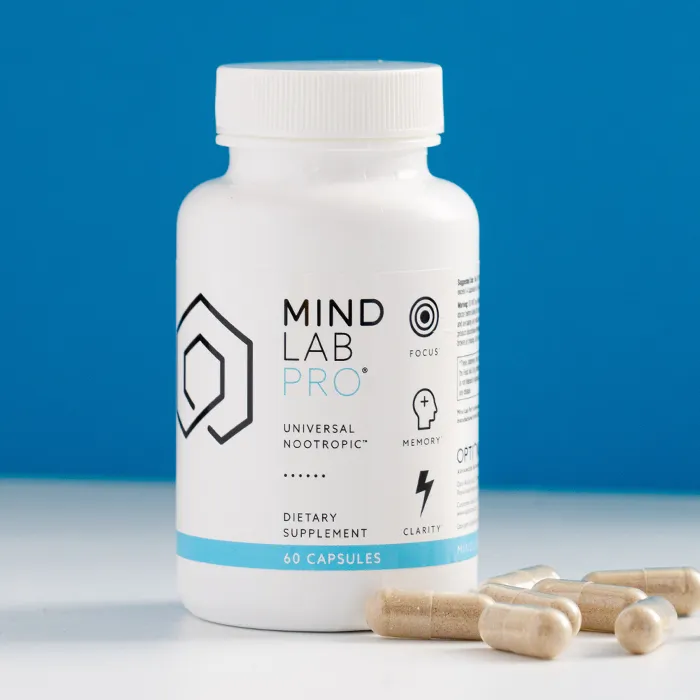
Mind Lab Pro® (MLP): Features premium nootropics in vegan, clean-label capsules designed to support women’s unique brain health and cognitive performance. It is natural and safe: Non-GMO, soy-free, and caffeine-free, aligning well with many women's health and lifestyle preferences. MLP is also one of the few nootropic supplements with research-backed cognitive function benefits. Learn more about how MLP works
How are Women’s Brains Different?
Women’s brains are different from men’s brains in various ways. For example, women tend to be more empathetic than men. Women also have more hormones like estrogen and progesterone that heighten their reactions to stress, making them more susceptible to it and certain health issues.
So how do gender differences translate to cognitive concerns? If you're a woman seeking brain support, some of these may be familiar to you...
Women Tend to Have More Mood Issues Than Men
Studies suggest women have mood fluctuations more often than men.(4) Hormones like estrogen in women may increase women's susceptibility to stress, which can have cascading negative effects on mood and cognition. Women who are mensturating or have PMS (premenstrual syndrome) may feel hormonal shifts more acutely.
Women's physiological differences from men potentially create a perfect storm for emotional dysregulation. What kind? Well, two big ones many women may be familiar with, as per the National Institute of Mental Health...
- Anxiety: 23.4% of women had some type of anxiety disorder over the course of a year, vs. 14.3% of men.
- Depression: 10.3% of women had a major depressive episode over the course of a year, vs. 6.2% of men.
Researchers think this difference reflects a mix of factors, including sex-related differences in stress circuitry and hormone fluctuations across the lifespan, as well as social and environmental influences.
One example of a social influence: women seem to have socially constructed beliefs that worrying must be avoided at all costs, which ultimately causes more anxious thoughts. In other words, women’s social need to avoid worrying ultimately might make them worry more.(5)
Postpartum depression (PPD)
PPD is a major depressive episode that occurs after childbirth thought to emerge from another “perfect storm” of factors: the rapid postpartum drop in reproductive hormones (which can affect stress and emotion-regulating brain circuits), sleep problems, and the psychological and social load new motherhood.
In one large analysis of over 100,000 women, researchers reported that compared with women whose pregnancies were desired at conception, those with mistimed or unwanted pregnancies had higher odds of reporting PPD symptoms. Breaking it down into finer points:(6)
- Risk was 20% higher for “mistimed: desired sooner” pregnancies;
- 30% higher for “mistimed: desired later” pregnancies;
- And 50% higher for “unwanted” pregnancies
Find out about the most effective nootropics for depression
Women May be More Susceptible to Stress
Research shows that women report experiencing physical and emotional symptoms of stress more often than men.(7) Stress in turn can wreak havoc on emotional and cognitive wellness, especially in the context of mood imbalance and ability to focus.(8)
Knowing this, it’s important to look for ways to counteract physical and emotional stress. Some nootropics for women are especially effective for stress-related cognitive concerns -- but more on that later.
Discover how to bust stress with herbal adaptogens
I'm working out now, able to get more things done, and not as scared to be in social situations!Kelley R.
Perimenopause and Menopause-Related Brain Fog
During perimenopause and menopause, many women notice “brain fog”: distractibility, dull thinking, poor memory and slower processing. In one research study, about two-thirds of women reported this fog as a mild transitional dip (in memory and thinking speed function) during perimenopause that bounced back in early postmenopause.(9)
The “why” is multi-factorial: brain regions involved in memory and executive function (e.g., hippocampus and prefrontal cortex) are rich in estrogen receptors, so fluctuating and then lower estradiol can influence neural signaling and plasticity.
At the same time, menopause-related sleep disruption, mood/anxiety changes, and hot flashes/night sweats can independently impair attention and memory (and may involve stress hormone cortisol).
Nootropic supplementation may help cognition in women experiencing hormonal changes, including supporting energized mental clarity.
Discover herbs that help with perimenopause and menopause
Helped so much with my menopause brain fog! Husband so impressed he now takes it too to help his focus.Samantha P.
Best Nootropics for Women in 2026
If you are a woman seeking cognitive support for all your needs, here’s a guide explaining the best nootropics for women in and how they may help.
Citicoline

Citicoline is the best source of choline that you can buy in a supplement; Cognizin® is the best form of Citicoline. This nootropic is special because it does so much, enhancing brain energy, brain regeneration, neurotransmitter status and more.
Cognizin® Citicoline can help men and women boost brainpower in many ways. For our current purposes, it is noteworthy because Cognizin® Citicoline has women-specific clinical research on its cognitive effects.
- One study of 60 women between the ages of 40-60 found that Cognizin® Citicoline appeared to improve women's attentional performance.(10)
More on Mind Lab Pro® Cognizin® Citicoline
L-Theanine

That relaxing, mood-balancing sensation you get while drinking green tea is largely due to its active nootropic compound L-Theanine. An amino acid found in green tea, L-Theanine can increase Alpha wave activity in women's brains. Alpha waves are associated with wakeful relaxation, creativity, mental clarity and mood enhancement.
In other words, L-Theanine can help promote relaxation ease anxiety, which is more prevalent in women because of hormone fluctuations. Research also suggests L-Theanine helps verbal memory, attention and executive function.(11)
More on Mind Lab Pro® L-Theanine
Rhodiola Rosea

Rhodiola Rosea may help reduce women’s sensitivity to stress right away. It may also help the body react more calmly to stress in the future if taken consistently.
It does so by influencing the sympathoadrenal-system (SAS) and the hypothalamic-pituitary-adrenal axis (HPA axis). The SAS regulates the body’s short-term reactions to stressful situations.
With continued use, Rhodiola Rosea can then help control how the HPA axis reacts to long-term stress. As such, Rhodiola may be helpful for women experiencing excess stress due to aging, hormone imbalance or a hectic day-to-day life.
One clinical review on healthy adults using Rhodiola (typically 200–600 mg/day) suggest it reduces mental fatigue and improves stress resilience, with modest benefits for short-term memory and executive function—especially during stressful or high-pressure tasks.(12)
More on Mind Lab Pro® Rhodiola Rosea
N-Acetyl L-Tyrosine (NALT)

Whether you’re a busy mom with endless responsibilities, a businesswoman completing endless tasks, or both- you could probably use some assistance. Women who multitask can use supplements containing N-Acetyl L-Tyrosine to reduce effects of stress, support mental clarity, and boost memory.
Women multitaskers naturally burn through catecholamine neurotransmitters faster. N-Acetyl L-Tyrosine, therefore, can help multitaskers by protecting brain chemicals from being drained by stress. In other words, stress depletes brain power and N-Acetyl L-Tyrosine helps to enhance brain power. Its effects get more pronounced as you experience more stress.
Across 15 studies, L-tyrosine was linked to better cognitive performance—especially working memory, multitasking, and mental flexibility—during stress, fatigue, or high-pressure conditions, and was characterized as a fast-acting aid for acute psychological or environmental stress.(13)
More on Mind Lab Pro® N-Acetyl L-Tyrosine
Lion’s Mane Mushroom

Lion’s Mane Mushroom has been suggested to reduce the effects of anxiety and mood imbalance, according to a study from Kyoto Bunkyo University. It does so by supporting the release of Nerve Growth Factor (NGF) in the nervous system and brain, which may also help the hippocampus become more responsive to learning new things. NGF is associated with age-related brain issues and mood problems; therefore, supporting it helps with cognition, memory and stress reduction.
- In one gender-specific women's study, supplementing with Lion's Mane Mushroom improved mood balance in women with an average age of 40. Researchers suggested these cognitive benefits were due to bioactivities other than Lion's Mane's NGF effects.(14)
More on Mind Lab Pro® Lions Mane Mushroom
Bacopa Monnieri

Bacopa Monnieri is an herb that provides active nootropic bacosides to optimize cognitive processes, promote memory and learning, and help balance the mood in stressful situations. Associated with academics, it may also help women learn and remember new information more readily.
Additionally, Bacopa Monnieri may work better than certain therapies because it appears to calm the mind while enhancing cognition instead of calming the mind while slowing down cognition. As such, it’s good for stressed-out students or women struggling with cognition and memory during menopause and perimenopause.
Across 9 randomized, placebo-controlled trials (518 participants), Bacopa monnieri showed potential to improve overall cognition, with faster reaction time suggesting improved attentional speed.(15)
More on Mind Lab Pro® Bacopa Monnieri
Phosphatidylserine

Phosphatidylserine, or PS, is phospholipid nutrition that helps build cell membranes throughout the body and is most prevalent in the brain. It is known as the best nootropic for memory problems associated with aging. This is because it can slow down or completely reverse biochemical changes and the decline of nerve cells due to aging.
As a result, PS is great to look for in brain health supplements for women who are experiencing any sort of mild memory issues, mild cognitive impairment or brain fog associated with age-related cognitive decline.
In a meta-analysis spanning 127 published articles, researchers reported that phosphatidylserine (PS) enhanced multiple aspects of memory—supporting recall, short-term memory formation and storage, long-range memory function, and memory retention/learning—and also noted broader nootropic benefits beyond memory, including improved attention/focus, reasoning and problem solving, and language/communication skills. (16)
More on Mind Lab Pro® Phosphatidylserine
Omega-3 Fatty Acids

Omega-3s—particularly DHA, a major structural fat in brain cell membranes—have been tested for cognitive effects in women, with benefits most likely when baseline omega-3 intake/status is low.
In a 6-month randomized, double-blind, placebo-controlled trial of healthy adults who habitually consumed little DHA, 1.16 g/day DHA improved memory-related outcomes, and the response differed by sex: compared with placebo, women showed a significant improvement in episodic memory (about 0.28 SD), while other effects (like reaction time) varied by domain and sex—supporting the idea that DHA can measurably support aspects of cognition in women under the right conditions.(17)
Discover today's top-rated vegan Omega-3 supplement
Love this product! Easy to swallow capsule with no aftertaste.Sarah A
Essential Vitamins and Minerals

Iron: In women low iron stores are common (often from menstrual blood loss) and can show up as “brain fog,” mental fatigue, lower motivation, and mood drag, even before full iron-deficiency anemia develops.
In a blinded, placebo-controlled randomized trial of women aged 18–35 with varying iron status, those receiving iron supplementation showed meaningful cognitive benefits: a 5- to 7-fold improvement in cognitive performance (accuracy) across multiple tasks, plus faster task completion.
Researchers suggest correcting low or borderline iron status can support attention, learning, and overall mental efficiency (and, for some women, may feel like a mood lift via reduced cognitive fatigue).(18)
B-Vitamins: B-vitamins—especially folate (B9), B12, and B6—matter for women’s brain function because they support methylation and homocysteine metabolism (folate/B12) and neurotransmitter synthesis (B6), so when intake or status is low, women may experience more mental fatigue, forgetfulness, or “flat” mood that can look like stress or aging.
Clinical evidence suggests the benefits are modest and most noticeable when status is low: in a controlled trial in women of various ages, short-term supplementation with folate, B12, or B6 produced small improvements in some memory measures, but did not significantly change mood, highlighting that B-vitamins aren’t a guaranteed mood booster unless a deficiency is part of the picture.(19)
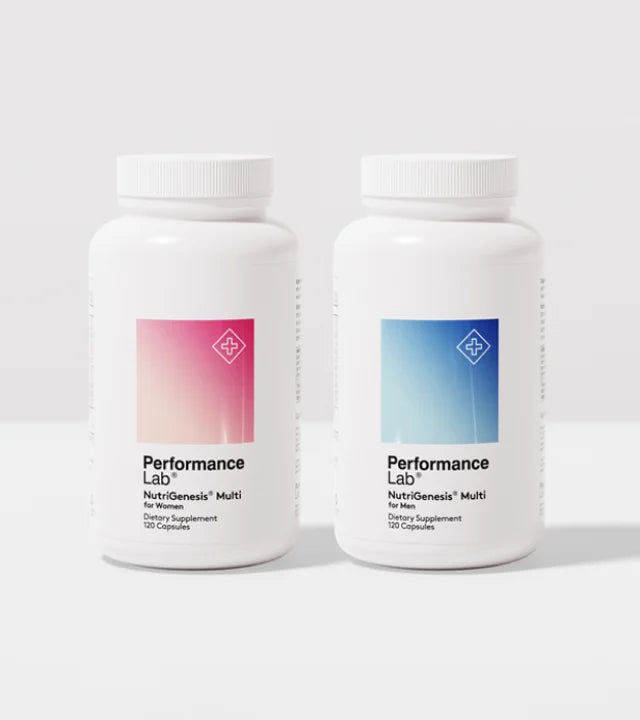
Discover today's best Multivitamin for Women: NutriGenesis®
The only multi I’ve used and noticed more energy and better overall wellbeing!Jerrold N
Top Brain Supplements for Women in 2026

MLP® is a "Universal Nootropic" to boost all types of cognitive function in all types of people -- especially women.
The MLP Formula: Citicoline (CDP Choline) dosage 250mg per serving, Phosphatidylserine (PS) 100mg (from sunflower lecithin), Bacopa monnieri 150mg (24% bacosides, 9 bioactives), Organic Lion's Mane Mushroom 500mg (fruit and mycelium), Maritime Pine Bark Extract 75mg (Standardized to 95% proanthocyanidins), N-Acetyl L-Tyrosine 175mg, L-Theanine 100mg per serving, Rhodiola rosea 50mg (Standardized to 3% rosavins and 1% salidrosides), NutriGenesis® Vitamin B6 (2.5 mg), Vitamin B9 (100 mcg), Vitamin B12 (7.5 mcg)
Mind Lab Pro® is an 11-in-1 nootropic supplement formulated to improve cognitive function, memory, focus, overall brain health and much more.
MLP® is backed by research.
- Study 1: Healthy subjects taking MLP for 30 days was demonstrated to bring about significant improvements (compared to placebo) in information processing speed.(20)
- Study 2: Study subjects who took MLP for 30 days were found to improve performance across all memory functions tested (versus placebo group), especially immediate and delayed recall memory.(21)
- Study 3: Healthy people taking MLP for 60 days was associated with the brain's different regions working together more efficiently and cohesively.(22)
Ultimately, Mind Lab Pro® is the one nootropic supplement that does pretty much everything women are looking for -- focus, memory, attention, concentration, mood, relaxation, stress resistance, memory, brain health and more.
Non-GMO, soy-free, caffeine-free and presented in premium vegan NutriCaps®, Mind Lab Pro® also features a clean label that works with women's lifestyles.
It is also a smart choice for the smarter sex because it universally helps support brain function, including women's unique cognitive performance needs and more.
Frequently Asked Questions
Are nootropics different for women?
Core nootropic ingredients are similar for everyone, but women often notice different needs around stimulant sensitivity, sleep, cycle-related shifts, and hormone-transition brain fog. That usually means timing and dose matter more than “women-only” formulas. Many women do best with calm-focus stacks that support attention, mood, and stress resilience without relying on heavy stimulation.
What are good stim-free nootropics for women?
Popular non-stimulant options include L-theanine for calm focus, citicoline for attention and mental energy, phosphatidylserine for memory and stress buffering, bacopa for learning and recall over time, lion’s mane for nerve growth factor support and mood balance, maritime pine bark for antioxidant and blood-flow support, and rhodiola earlier in the day for stress resilience and fatigue support. If you want a deeper breakdown of adaptogen-style stress support, see the adaptogen guide here: Adaptogens for stress support.
Are there any nootropic ingredients women should avoid?
If you are pregnant or breastfeeding, keep stacks conservative and get medical guidance before using multi-ingredient formulas. If you take SSRIs, thyroid meds, blood thinners, or other prescriptions, ask a clinician before combining supplements. If you are caffeine sensitive, avoid stimulant-heavy blends and choose calm-focus ingredients instead of trying to brute-force energy. If your main goal is stress resilience without caffeine, rhodiola is usually best taken earlier in the day, and pairing it with calmer ingredients like L-theanine can help keep the experience smooth.
When will I feel results from nootropics?
Some ingredients can feel noticeable the same day, such as L-theanine for calmer focus or citicoline for sharper attention. Others tend to build with consistent use. Bacopa is a classic example that typically works best over a few weeks rather than a single dose. Results are also strongly shaped by sleep, stress load, and nutrient status, so stacks work best when the basics are supported.
What are the best nootropics for women in 2026?
The best choices depend on your main bottleneck. For calm focus and productivity, many women do well with L-theanine, citicoline, and phosphatidylserine. For stress, fatigue, and pressure-heavy days, rhodiola earlier in the day plus tyrosine-style dopamine support can be helpful. For long-game brain health and mood support, omega-3s are a strong staple. If you want to compare top options across goals and budgets, this guide helps: Best nootropic supplements.
What’s the best supplement for energy and concentration in perimenopause?
Perimenopause brain fog is often a sleep, stress, hormone, and nutrient-status problem, not a simple “lack of stimulation” problem. A practical approach is to start with sleep and stress support, then add calm-focus nootropics that improve attention without worsening jitters or insomnia. Many women like adaptogen support plus non-stim focus ingredients, and they keep rhodiola earlier in the day to avoid sleep disruption. For menopause-specific herb support, this resource goes deeper: Adaptogens for perimenopause and menopause.
What are the benefits of taking iron supplements?
Iron helps support oxygen delivery and energy metabolism, and low iron stores can show up as flat energy, brain fog, and lower mental drive even before full anemia develops. For many women, checking ferritin can be smarter than adding more stimulants, because low iron can feel like low motivation and poor focus. Iron is not a “brain booster” in the usual sense, but correcting low or borderline status can noticeably improve mental efficiency and fatigue in the right context. For a broader guide to brain-supportive nutrient gaps, see: Best vitamins and minerals for brain health.
How do you know if iron supplements are working?
Many people notice gradual changes like less daytime fatigue, better exercise tolerance, and clearer thinking, but the most reliable way to know is follow-up lab work. Improvements depend on your starting status, dose, and whether the underlying cause of low iron is addressed. If symptoms are significant or persistent, it’s best to work with a clinician to track ferritin and related markers instead of guessing based on day-to-day fluctuations.
How long do iron supplements take to work?
Timelines vary, but symptom changes often take a few weeks, and rebuilding iron stores can take longer, especially if ferritin is low. Consistency matters, and so does addressing the root cause of low iron, such as heavy menstrual blood loss or low dietary intake. If you are not noticing progress over time, lab monitoring can clarify whether levels are moving in the right direction.
What does green tea do for women?
Green tea is often used for calm alertness because it naturally combines caffeine with L-theanine. In practical terms, that can feel like smoother focus with fewer jitters than coffee for some women, especially those who are caffeine sensitive. If your goal is calm focus, L-theanine is the star ingredient to know, and this guide breaks it down: L-theanine benefits and use.
Can women take Alpha Brain?
Women can use many mainstream nootropic stacks, but the real question is fit. If you are stimulant sensitive, prone to anxiety, or dealing with sleep disruption, you will usually do better with calmer, transparent-label formulas and conservative dosing. If you are comparing Alpha Brain vs Mind Lab Pro, the cleanest comparison is ingredient quality, dose transparency, and whether the formula matches your goals like calm focus, stress resilience, and long-game brain health. For broader comparisons across leading stacks, use this roundup: Best nootropic supplements.
What does “nootropic” mean?
Nootropics are substances used to support brain performance and brain health, often targeting focus, attention, memory, mood, motivation, and stress resilience. Some work quickly, while others build over time. If you want the deeper definition and how they work in the brain, start here: What are nootropics?.
Summary
Women face unique cognitive challenges due to hormonal fluctuations, stress, and age-related changes, which can impact mood, memory, focus, and overall brain health.
Nootropic dietary supplements tailored to these needs, such as Citicoline, L-Theanine, Rhodiola Rosea, and Lion’s Mane Mushroom, provide targeted support for managing stress, enhancing mental clarity, and improving cognitive performance.
Supplements like Mind Lab Pro® offer a clean, effective, and holistic approach to supporting women’s unique cognitive demands. By addressing these challenges proactively with high-quality nootropics, women can maintain optimal brain health and thrive in their daily lives.
References
- Epic Research. (2023). Number of ADHD patients rising, especially among women. Epic Systems Corporation. Link
- RAND Corporation. (2025). Understanding Meno-Fog: Navigating brain fog during menopause. Santa Monica, CA. Link
- Alzheimer’s Association. (2025). 2025 Alzheimer’s disease facts and figures. Alzheimer’s & Dementia, 21(4), e70235. Link
- Understanding the Brain’s Response to Ovarian Hormones. Estrogen and the Brain. Yale School of Medicine. (2016). Link
- Bahrami, F., & Yousefi, N. (2011). Females are more anxious than males: A metacognitive perspective. Iran J Psychiatry Behav Sci, 5(2), 83–90. Link
- Gauthreaux, C., et al. (2017). The association between pregnancy intendedness and experiencing symptoms of postpartum depression among new mothers in the United States, 2009 to 2011: A secondary analysis of PRAMS data. Medicine, 96(6), e5851. Link
- Gender and Stress. American Psychological Association. Link
- Stress in America. American Psychological Association. Link
- Greendale, G. A., Huang, M.-H., Wight, R. G., Seeman, T., Luetters, C., Avis, N. E., Johnston, J., & Karlamangla, A. S. (2009). Effects of the menopause transition and hormone use on cognitive performance in midlife women. Neurology, 72(21), 1850–1857. Link
- McGlade, E., et al. (2012). Improved attentional performance following citicoline administration in healthy adult women. Food and Nutrition Sciences, 3, 769–773. Link
- Baba, Y., Inagaki, S., Nakagawa, S., Kaneko, T., Kobayashi, M., & Takihara, T. (2021). Effects of L-Theanine on cognitive function in middle-aged and older subjects: A randomized placebo-controlled study. J Med Food, 24(4), 333–341. Link
- Anghelescu, I. G., Edwards, D., & Seifritz, E. (2018). Stress management and the role of Rhodiola rosea: A review. International Journal of Psychiatry in Clinical Practice. Link
- Attipoe, S., Zeno, S. A., Lee, C., & Crawford, C. (2015). Tyrosine for mitigating stress and enhancing performance in healthy adult humans: A rapid evidence assessment of the literature. Military Medicine, 180(7), 754–765. Link
- Nagano, M., Shimizu, K., Kondo, R., Hayashi, C., Sato, D., Kitagawa, K., & Ohnuki, K. (2010). Reduction of depression and anxiety by 4 weeks Hericium erinaceus intake. Biomed Res, 31(4), 231–237. Link
- Kongkeaw, C., Dilokthornsakul, P., Thanarangsarit, P., Limpeanchob, N., & Scholfield, C. N. (2014). Meta-analysis of randomized controlled trials on cognitive effects of Bacopa monnieri extract. Journal of Ethnopharmacology, 151(1), 528–535. Link
- Glade, M. J., & Smith, K. (2015). Phosphatidylserine and the human brain. Nutrition, 31(6), 781–786. Link
- Stonehouse, W., Conlon, C. A., Podd, J., Hill, S. R., Minihane, A. M., Haskell, C., & Kennedy, D. (2013). DHA supplementation improved both memory and reaction time in healthy young adults: A randomized controlled trial. The American Journal of Clinical Nutrition, 97(5), 1134–1143. Link
- Murray-Kolb, L. E., & Beard, J. L. (2007). Iron treatment normalizes cognitive functioning in young women. The American Journal of Clinical Nutrition, 85(3), 778–787. Link
- Bryan, J., Calvaresi, E., & Hughes, D. (2002). Short-term folate, vitamin B-12 or vitamin B-6 supplementation slightly affects memory performance but not mood in women of various ages. The Journal of Nutrition, 132(6), 1345–1356. Link
- Utley, A., Gonzalez, Y., & Imboden, C. A. (2023). The efficacy of a nootropic supplement on information processing in adults: A double blind, placebo controlled study. Biomed J Sci & Tech Res, 49(1), MS.ID.007746. Link
- Abbott-Imboden, C., Gonzalez, Y., & Utley, A. (2023). Efficacy of the nootropic supplement Mind Lab Pro on memory in adults: Double blind, placebo-controlled study. Human Psychopharmacology: Clinical and Experimental, e2872. Link
- O’Reilly, D., Bolam, J., Delis, I., & Utley, A. (2025). Effect of a Plant-Based Nootropic Supplement on perceptual decision-making and brain network interdependencies: A randomised, double-blinded, and placebo-controlled study. Brain Sciences, 15(3), 226. Link