

“Nervous vitamins and nootropics” is a smart search query because most people aren’t really asking about one nutrient—they’re asking about a state: nervousness, stress sensitivity, jittery energy, poor sleep, brain fog, emotional reactivity, or feeling like their nervous system is “on” all the time (see: nootropics for stress & burnout).
Here’s the reality check: nutrient shortfalls are not rare. According to the CDC’s Second Nutrition Report, deficiency rates in the general U.S. population range from <1% for some essential nutrients to about ~10% for vitamin B6, vitamin D, and iron—and vitamin D deficiency can be as high as 31% in non-Hispanic Black individuals.(1) Many of these nutrients support nerve signaling, brain metabolism, and stress physiology—the basics that make a calm, resilient nervous system possible.
If you clicked this article, you’re probably trying to figure out: which vitamins and minerals support the nervous system—and which nootropics can help you feel calmer, steadier, and more mentally “online,” without turning this into a random supplement shopping spree. Let’s make it practical. Let's get to it!
Key Takeaways
- “Nervous vitamins and nootropics” usually means two goals: (1) support nerve health + nerve signaling + brain energy, and (2) support calm-focus and stress resilience.
- High-ROI “nervous system” minerals include magnesium (relaxation + nerve function) and potassium (nerve transmission/electrolyte balance).(2)(3)
- Core “nervous vitamins” include B12 (myelin sheath/nerve insulation) and B6 (neurotransmitter-related metabolism).(4)(5)
- Top “calm-focus” nootropics include L-theanine, phosphatidylserine, and bacopa—often used when stress and overactivation are the real cognitive bottleneck.
- Omega-3s support long-range brain and mood foundations, which can make the nervous system more stable over time.
- Start simple: fix obvious gaps first, add 1 nootropic at a time, and track your response for 2–4 weeks before stacking aggressively.
- Nutrients/nootropics covered: magnesium, potassium, vitamin B12, vitamin B6, folate, vitamin D, iron, omega-3s, L-theanine, phosphatidylserine, bacopa monnieri, rhodiola rosea.
Disclaimer
This article is for educational purposes only and is not medical advice. Always consult a qualified healthcare professional before using any vitamin, mineral, nootropic, or dietary supplement—especially patients who have a medical condition, take prescription medications, have kidney disease, heart rhythm issues, low blood pressure, GI disorders affecting absorption, or if you are pregnant or nursing. Supplements are not drugs and are not intended to diagnose, treat, cure, or prevent any disease or health conditions. If you have severe anxiety, depression, panic attacks, fainting, chest pain, persistent insomnia, or ongoing neurological symptoms, talk to your doctor and seek medical evaluation to rule out underlying causes.
What “nervous system support” really means

Vitamins and minerals support nerve cells in a few core ways: they help build and protect the nerve’s physical structure, power nerve signaling, and keep the brain’s chemistry stable.
B12 plays an especially vital role for maintaining myelin, the insulating layer around nerves that helps signals travel quickly and cleanly, while B6 and folate support metabolic pathways tied to neurotransmitter balance and cellular repair.
Minerals matter just as much: magnesium helps regulate nerve excitability and supports calmer, steadier firing; potassium and sodium are the key electrolytes that help transmit signals; and calcium plays a role in neurotransmitter release.
Foundational nutrients like vitamin D and omega-3s also support neuromuscular and membrane function, helping keep nerve cells resilient over time—especially when stress, aging, or poor diet puts more strain on the nervous system.
Your nervous system is electrical and chemical at the same time. Nerves fire by moving ions (like sodium, potassium, calcium, and magnesium) across membranes, and your brain regulates mood and focus by making neurotransmitters and maintaining myelin (the insulation around nerves).
That’s why “nervous vitamins and nootropics” naturally points to two strategies:
- Foundation nutrients (vitamins/minerals) to keep signaling and recovery stable.
- Nootropics to help shape a calmer, more resilient cognitive baseline—especially when stress is the real problem.
Let's dig into the details of these individual nutrients and how they relate to the nervous system.
Best Nervous Vitamins and Minerals
Magnesium (Mineral for calm nerve function)

Magnesium is one of the highest-ROI minerals for nervous-system stability. It supports normal muscle and nerve function,(2) and it helps regulate ion movement across cell membranes—key for nerve impulse conduction. In real life, magnesium is often used when “nervousness” feels physical: muscle tension, tight chest, restless sleep, or a wired baseline.
Read more: vitamins and minerals for brain health
Potassium (Electrolyte for nerve transmission)

Potassium helps maintain electrochemical gradients—the “battery” that makes nerve and muscle signaling possible. The NIH ODS fact sheet notes potassium supports nerve transmission.(3) If you’re under-eating, sweating heavily, or living on processed foods, electrolyte balance can suffer and the nervous system can feel “off.”
B-Complex Vitamins (Neurotransmitters, metabolism)

Vitamin B1 (Glucose metabolism): B1 is foundational support for glucose metabolism in nerve cells. Deficiency of B1 leads to beriberi, a condition marked by severe nerve damage.
Vitamin B12 (Nerve insulation + central nervous system function): Vitamin B12 supports development and function of the central nervous system and is required for myelination (myelin is the fatty sheath that surrounds and protects nerve cells).(4)
Vitamin B6 (Neurotransmitter-related metabolism): B6 is involved in many enzyme reactions and supports pathways linked to neurotransmitter (brain chemical) metabolism.(5) It’s a foundational nutrient for stable brain chemistry, especially when your diet quality is inconsistent.
Folate (B9) + B12 synergy: Folate works closely with B12 in one-carbon metabolism and supports cellular processes that help keep the nervous system functioning smoothly.(6) Practically: it’s part of the “baseline nutrients” category rather than a fast-acting calm tool.
Read more on vitamins B6, B9, and B12
Vitamin D (Nerves + neuromuscular function)

Vitamin D is best known for bones, but it also supports neuromuscular function, helping to maintain good signaling between brain, nerves and muscles.(7) If you have low sunlight exposure or you’re in a higher deficiency-risk group, vitamin D status can affect overall system stability and help with unhealthy mood changes.
Iron (Brain energy + oxygen delivery)

Iron supports oxygen transport via hemoglobin. Low iron can feel like fatigue and brain fog—states that often make stress feel worse and focus less reliable.(8) Iron also helps fuel the nervous system, contributes to myelination of nerves, and is required for healthy central nervous system development.
Want an easy way to up your intake of nerve essentials? Discover today's top multivitamin with nervous system essentials
Performance Lab® NutriGenesis Multi
The world's most advanced multivitamin formula.
Shop Now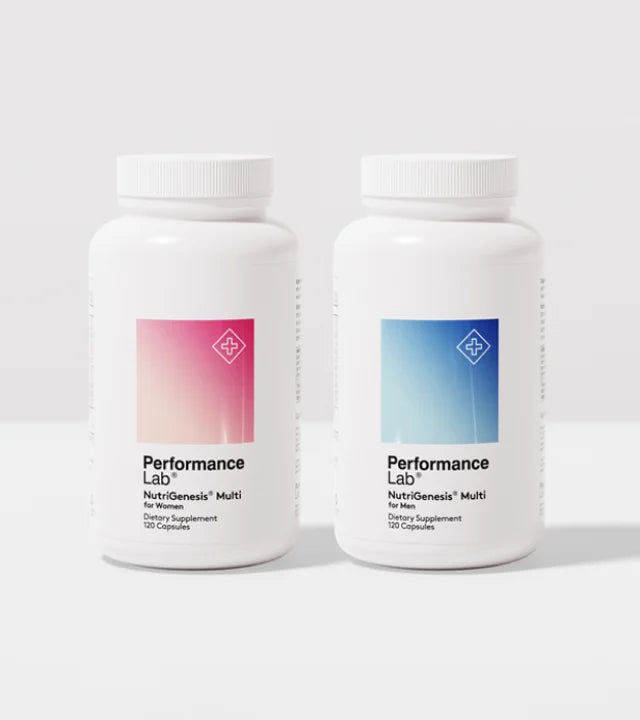
Best Nootropics for Nervousness
If you want to complement essential vitamins and minerals for the nervous system with time-tested nootropics, consider the following:
L-Theanine (Relaxed alertness)

L-theanine is a natural tea-derived amino acid known for supporting calm focus. It’s popular when nervousness looks like mental chatter, overstimulation, or caffeine edge. In controlled research, L-theanine has been shown to reduce psychological and physiological stress responses.(9)
Phosphatidylserine (PS) (Stress-buffer support)

PS is a phospholipid found in brain cell membranes, where it helps optimize nerve-to-nerve signaling. It is widely used for stress resilience. Human research suggests PS may blunt cortisol response to exercise stress in placebo-controlled design—useful when nervous-system strain is coming from training load, long work hours, or poor recovery.(10)
Read more on Phosphatidylserine
Bacopa monnieri (Calmer cognition over weeks)

Bacopa is a classic Ayurvedic memory nootropic, but it’s also used for calmer cognition over time. It’s not a quick hit—it tends to be a multi-week ingredient that supports learning/retention while helping some people feel less mentally “spiky.” A meta-analysis of randomized trials supports modest cognitive benefits after consistent use.(11)
Rhodiola rosea (Fatigue resistance under pressure)

Rhodiola is an adaptogen herb that helps fight the negative effects of stress, including nervous jitters. It is often used when nervousness is really overload—too much demand, not enough recovery. It’s popular for mental stamina under stress. In a randomized crossover trial in resistance-trained athletes, short-term rhodiola supplementation was associated with dose-dependent improvements in resistance exercise performance and also reported nootropic effects on cognitive function.(12)
Omega-3s (Mood + long-range nervous system stability)

Omega-3 fatty acids (EPA/DHA) support the brain’s structural foundation. DHA is a major component of neurons' cell membranes, helping to optimize them for healthy signaling. Omega-3s also regulate the inflammatory responses that otherwise can disrupt healthy nervous system function. While fish oil is a common source of Omega-3s, today's top supplements are vegan-friendly, often sourced from marine algae.
Discover today's top Omega-3 supplement
Love this product! Easy to swallow capsule with no aftertaste.Sarah A

Lion's Mane Mushroom (Nerve Growth Factor)

Lion’s mane (Hericium erinaceus) supports the nervous system mainly through its neurotrophic reputation: research highlights unique compounds (especially erinacines from mycelium and hericenones from fruiting body) that are discussed in the context of nerve growth factor (NGF)—a key “fertilizer” for nerve cells that supports neuronal growth, maintenance, and repair. In a detailed scientific review, researchers explain that lion’s mane is a strong candidate for “brain and nerve health” support specifically because its bioactives are linked to NGF-related activity and broader neuroprotective mechanisms.(13)
Read more on Lion's Mane Mushroom
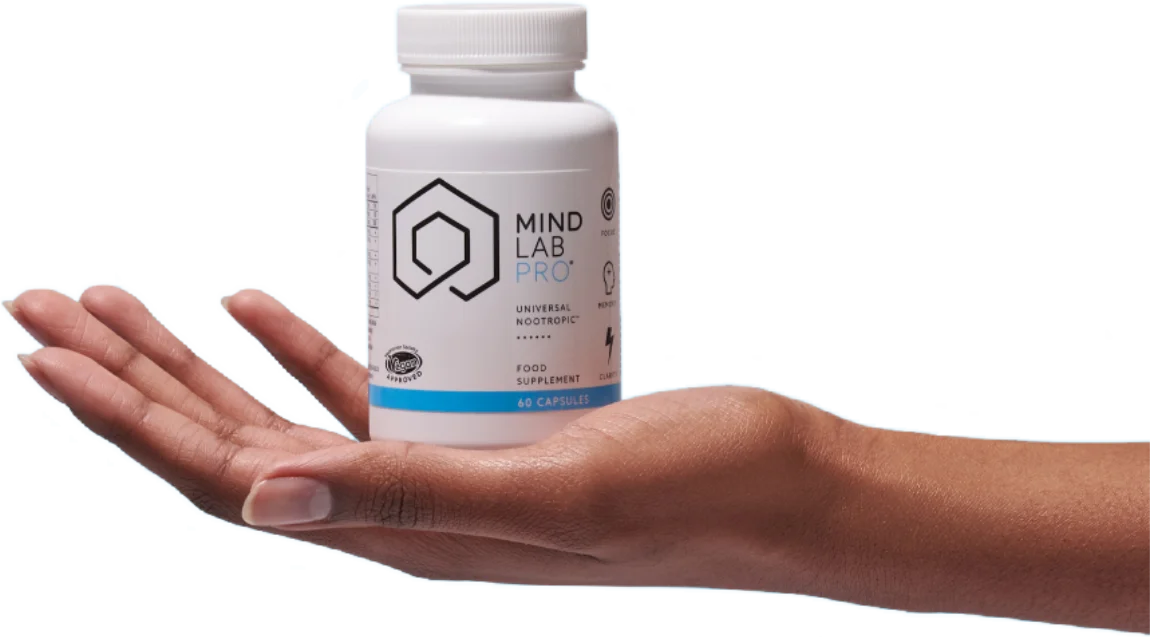
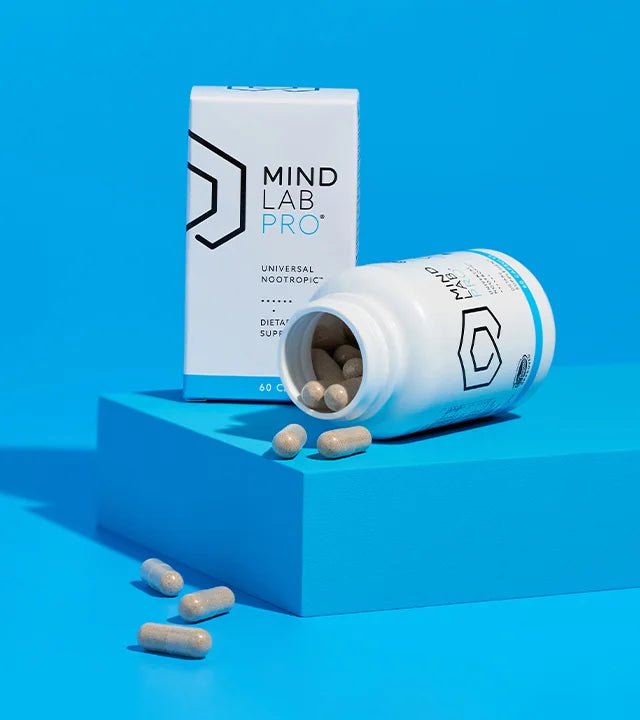
Mind Lab Pro®: A Convenient “Nervous Vitamins + Nootropics” Stack

If you don’t want to juggle five bottles, Mind Lab Pro® fits this topic well because it combines calm-focus nootropics with foundational B-vitamins—supporting both the “nervous vitamins” for healthy nerves and “nootropics” for performance sides of the equation.
Mind Lab Pro® Ingredients (per serving): Citicoline (CDP Choline) 250mg, Phosphatidylserine (from sunflower lecithin) 100mg, Bacopa monnieri 150mg (24% bacosides), Organic Lion’s Mane Mushroom 500mg (fruit and mycelium), Maritime Pine Bark Extract 75mg (95% proanthocyanidins), N-Acetyl L-Tyrosine 175mg, L-Theanine 100mg, Rhodiola rosea 50mg (3% rosavins, 1% salidrosides), NutriGenesis® Vitamin B6 2.5mg, Vitamin B9 100mcg, Vitamin B12 7.5mcg.
How it relates to nervousness: L-theanine supports calm focus, rhodiola supports performance under stress, PS supports stress resilience, bacopa supports calmer cognition over time, and the B-vitamins support foundational metabolism—making the stack useful when your nervous system feels overactivated and your cognition feels less reliable.
Mind Lab Pro® is Research-Backed
- Study 1 (processing speed): 30 days was associated with improved information processing outcomes versus placebo.(14)
- Study 2 (memory): 30 days improved performance across multiple memory outcomes versus placebo.(15)
- Study 3 (brain network efficiency): 60 days showed EEG network changes interpreted as increased coordination, even without faster/more accurate task performance.(16)
Read more about the Mind Lab Pro studies
Summary
“Nervous vitamins and nootropics” is really about healthy brain function and nervous-system stability: better nerve signaling, better recovery, and a calmer cognitive baseline. Start with high-ROI basic essential vitamins and minerals—magnesium, B12/B6, vitamin D, potassium—then use nootropics like L-theanine, PS, bacopa, and rhodiola to support calm-focus and stress resilience. Keep it simple, personalize, and if nervousness is persistent or intense, get professional support rather than trying to supplement your way out of it.
References
- Centers for Disease Control and Prevention. (2026). About the Second Nutrition Report. CDC. Link
- National Institutes of Health Office of Dietary Supplements. (2021). Magnesium: Fact Sheet for Consumers. NIH ODS. Link
- National Institutes of Health Office of Dietary Supplements. (2021). Potassium: Fact Sheet for Consumers. NIH ODS. Link
- National Institutes of Health Office of Dietary Supplements. (2025). Vitamin B12: Fact Sheet for Health Professionals. NIH ODS. Link
- Brown, M. J., & Werman, H. A. (2023). Vitamin B6 Deficiency. StatPearls. Link
- National Institutes of Health Office of Dietary Supplements. (2022). Folate: Fact Sheet for Health Professionals. NIH ODS. Link
- National Institutes of Health Office of Dietary Supplements. (2022). Vitamin D: Fact Sheet for Consumers. NIH ODS. Link
- National Institutes of Health Office of Dietary Supplements. (2023). Iron: Fact Sheet for Consumers. NIH ODS. Link
- Kimura, K., Ozeki, M., Juneja, L. R., & Ohira, H. (2007). L-theanine reduces psychological and physiological stress responses. Biological Psychology, 74(1), 39–45. Link
- Starks, M. A., Starks, S. L., Kingsley, M., Purpura, M., Jäger, R., & Parker, S. (2008). The effects of phosphatidylserine on endocrine response to moderate intensity exercise. Journal of the International Society of Sports Nutrition, 5, 11. Link
- Kongkeaw, C., Dilokthornsakul, P., Thanarangsarit, P., Limpeanchob, N., & Scholfield, C. N. (2014). Meta-analysis of randomized controlled trials on cognitive effects of Bacopa monnieri extract. Journal of Ethnopharmacology, 151(1), 528–535. Link
- Koozehchian, M. S., Kargarfard, M., Lee, J., Candow, D. G., & Wilborn, C. D. (2025). Dose–response effects of short-term Rhodiola rosea supplementation on resistance exercise performance and cognitive function in resistance-trained athletes: A randomized, crossover trial. Nutrients, 17(23), 3736. Link
- Li, I.-C., Lee, L.-Y., Tzeng, T.-T., Chen, W.-P., Chen, Y.-P., Shiao, Y.-J., & Chen, C.-C. (2018). Neurohealth Properties of Hericium erinaceus Mycelia Enriched with Erinacines. Behavioural Neurology, 2018, 5802634. Link
- Utley, A., Gonzalez, Y., & Imboden, C. A. (2023). The efficacy of a nootropic supplement on information processing in adults: A double blind, placebo controlled study. Biomed J Sci & Tech Res, 49(1). Link
- Abbott-Imboden, C., Gonzalez, Y., & Utley, A. (2023). Efficacy of the nootropic supplement Mind Lab Pro on memory in adults: Double blind, placebo-controlled study. Human Psychopharmacology: Clinical and Experimental, e2872. Link
- O’Reilly, D., Bolam, J., Delis, I., & Utley, A. (2025). Effect of a plant-based nootropic supplement on perceptual decision-making and brain network interdependencies: A randomised, double-blinded, and placebo-controlled study. Brain Sciences, 15(3), 226. Link
*These statements have not been evaluated by the Food and Drug Administration. This product is not intended to diagnose, treat, cure, or prevent any disease.