

The brain requires a vast amount of many different micronutrients in order to function properly. Without the right amount of these important nootropic vitamins and minerals, our cognitive power can fade, while brain health declines.
In the U.S., nationally representative dietary data show that nutrient shortfalls are the norm, not the exception—and they span both vitamins and minerals. In particular, Americans commonly fall short on vitamins A, C, D, and E, plus choline and folate, and key minerals like calcium, magnesium, iron, and potassium; fiber is also widely underconsumed (Dietary Guidelines for Americans (USDA + HHS).
To put real numbers on it: across people ages 1+ years, about 96% are below the Adequate Intake (AI) for potassium, about 94% are below the Estimated Average Requirement (EAR) for vitamin D, and about 74% are below the EAR for vitamin E. Choline is another major gap—only about 12% meet (or exceed) the AI, meaning roughly 88% fall short.
If you are looking for the best brain health vitamins and minerals—especially ones that help with memory, focus and long-term cognitive function—this guide is for you. We're covering the top essentials for memory and brain health. Let's get to it!
Key Takeaways
- Essential nutrients are vital for maintaining brain health and cognitive performance. They support neurotransmitter synthesis, nerve function, protect against oxidative stress, and facilitate energy metabolism.
- Failing to get enough of certain vitamins and minerals (also known as vitamin deficiencies) is associated with some brain health issues and psychological problems.
- Some key essentials for brain and nervous system health we’ll cover: vitamin D; magnesium; vitamin E; vitamins B12, B6, and B9;(1) zinc, iron, and calcium.
- Deficiencies of Vitamin B12 and B6, Vitamin D, Iron, and Magnesium may be especially significant, associated with increased risk for brain issues including poor memory, depressive symptoms; and even Alzheimer's.
- Follow a healthy and nutritious brain-supportive diet. Taking a multivitamin and brain supplement can help you get essential nutrients for nerve health and cognitive function.
- Best Multivitamin for Brain and Nerves: NutriGenesis® Multi. Clean-cultured essential nutrients in precisely calibrated doses. They include all the best vitamins and minerals for supporting brain and nervous system health. Learn More about NutriGenesis
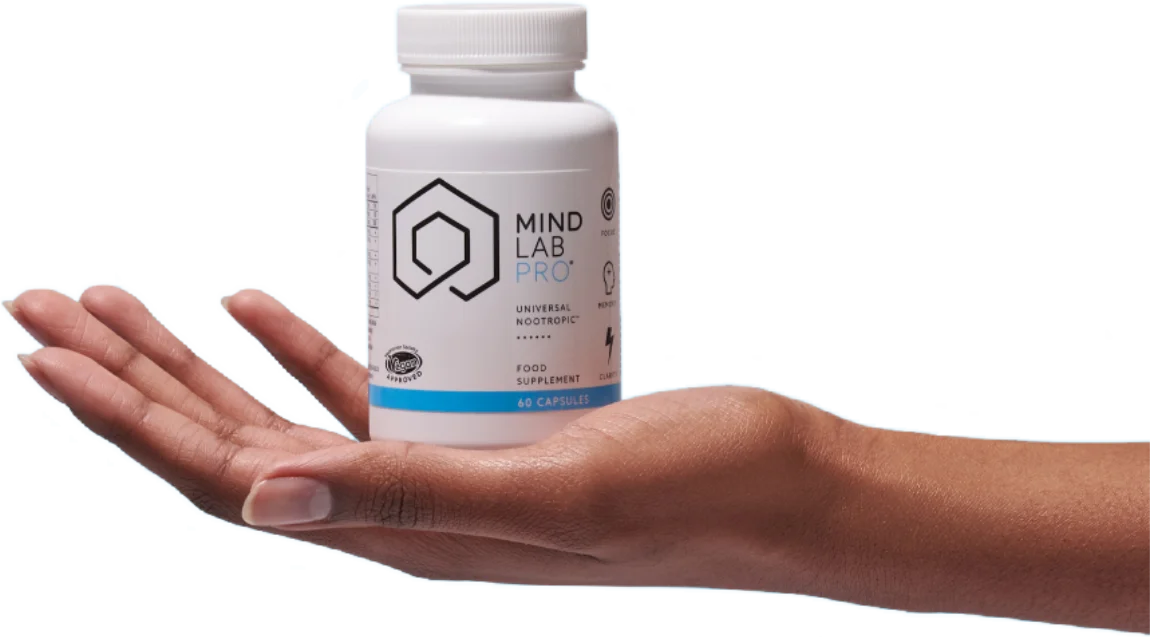
- Best Nootropic Stack with B Vitamins: Mind Lab Pro®. An 11-in-1 stack of nootropics designed to promote brain health and improve cognitive function overall; includes vitamin B6, B9 and B12. Learn More about MLP
Disclaimer
This article is for educational purposes only and is not medical advice. Always consult a qualified healthcare professional before using any vitamin, mineral, or dietary supplement—especially if you have a medical condition, are pregnant or nursing, or take prescription medications. Certain nutrients can interact with medications or be harmful at high doses (for example, vitamin K with blood thinners, iron in people with iron overload risk, or excess vitamin D causing elevated calcium). Supplements are not drugs and are not intended to diagnose, treat, cure, or prevent any disease, including cognitive decline or neurological disorders. For brain health concerns (memory changes, persistent brain fog, mood symptoms, cognitive aging symproms or sleep problems), get medical guidance and consider lab testing to identify deficiencies and confirm appropriate dosing under a doctor’s supervision.
What Are Brain & Nervous System Vitamins and Minerals?

Your nervous system, including your brain, runs on the “basics” more than most people realize.
Many adults still fall short on key vitamins and minerals that support nerve signaling, myelin (nerve insulation), brain energy, and stress resilience—so covering these fundamentals can be a high-ROI first step before chasing exotic nootropics for brain health and memory.
- Vitamin D: Commonly underconsumed; supports neuromuscular function and overall nervous system stability (often discussed in mood and healthy brain aging, too).
- Magnesium: A frequent shortfall; helps regulate nerve excitability, supports relaxation and sleep quality, and helps keep signaling “smooth” instead of overreactive.
- Potassium: Widely underconsumed; essential for electrical signaling and nerve transmission (think “battery chemistry” for nerves and muscles).
- Vitamin E: Often low in diets; an antioxidant vitamin that helps protect brain and nerve tissue from oxidative stress over time.
- Folate (B9): Food alone rarely supplies enough B9 for some adults; supports metabolism and cellular repair processes tied to brain and nerve health.
- Vitamin B6: Shortfalls occur in subsets of adults; supports enzyme pathways involved in neurotransmitter-related metabolism and nervous system function.
- Vitamin B12: A key “nerve vitamin,” especially relevant for older adults and people with absorption issues; supports myelin (nerve insulation) and healthy nerve function.
- Zinc: Can be inadequate in some adults; supports hundreds of enzymes and is involved in brain signaling processes and immune balance that indirectly affect nerve health.
- Iron: A shortfall for some adults; supports oxygen delivery and energy metabolism—low iron can amplify fatigue/brain fog and make the nervous system feel less resilient.
- Calcium: Underconsumed by many adults; involved in neurotransmitter release and muscle/nerve function (and often matters for sleep and tension, indirectly).
Read more about Vitamins & Minerals for Nerve Health and Herbs for Nerve Regeneration
Choline: The “Essential” Nutrient People Forget
Choline isn’t technically a vitamin or mineral, but it’s often grouped with “essential nutrients” because it is a core building block for the brain. Most U.S. adults fall short on choline intake: NHANES 2015–2018 data suggest only about 6% of women and 11% of men meet or exceed the Adequate Intake for choline, meaning roughly 9 in 10 adults may consume less choline than recommended. This is important because choline supports acetylcholine pathways (one of the key brain chemicals linked to memory and learning) and helps build and maintain healthy brain cell membranes.
How do essential nutrients help brain health & memory?
- Neurotransmitters & brain chemistry: vitamins/minerals act as cofactors and building blocks for making and balancing key neurotransmitters (dopamine, serotonin, GABA, acetylcholine).
- Brain energy (mitochondria): they help convert food into ATP, so cognition stays sharp instead of “brain fog” under load.
- Myelin & nerve insulation: certain nutrients support myelin maintenance so nerve signals travel fast and clean.
- Cell membranes & synaptic signaling: they help maintain flexible, healthy neuronal membranes that support communication between brain cells.
- Blood flow & oxygen delivery: nutrients support circulation and oxygen transport, which affects attention, mental stamina, and clarity.
- Antioxidant defense: Antioxidants (like vitamin E, vitamin C, selenium and zinc) help protect brain tissue from oxidative stress, supporting long-range brain health.
- Inflammation & immune balance: Some essential nutrients help regulate inflammatory signaling that can otherwise disrupt mood and cognition.
- Electrolytes & excitability control: Electrolyte minerals regulate neuronal firing—helping prevent the nervous system from running too “hot.”
Key Takeaway: if your goal is calmer nerves, clearer thinking, and better long-range brain health, these foundational nutrients are the “wiring and fuel” that make everything else work better.
Best Vitamins and Minerals for Brain Health & Memory

Next up let's dig into the vitamins and minerals that may make the biggest difference in supporting brain health and memory, starting with B-Vitamins.
B-Complex Vitamins (B6, B9 [folate] and B12)
The best brain health supplements will supply B-Complex vitamins. All B vitamins are important for brain health, but B6, B9, and B12 are among the best -- backed by the most research because of their ability to regulate homocysteine levels.
Studies suggest high homocysteine activity is associated with low B6, B9, and B12 levels. This combo can lead to brain deterioration, mood issues, impaired cerebral blood flow, and cognitive decline. In fact, excessive homocysteine levels to low cognitive performance across eight different measurements – including memory and learning.(3,4)
Vitamins B6, B9 and B12 have been shown to effectively reduce blood homocysteine levels.(5)
Vitamin B6
B6 is essential to myriad key health functions, but the brain contains 100 times more B6 than the bloodstream does. The brain needs that much B6 in order to create and release brain chemicals, making it a foundational nootropic for all cognitive functions.
Vitamin B6 is critical for brain chemical synthesis. It promotes several neurotransmitter conversions and is a building block for serotonin, GABA, norepinephrine, and melatonin. It also helps convert neurotransmitter tryptophan into serotonin, 5-HTP into serotonin, and DOPA into dopamine.(6)
B6 may help preserve the blood-brain barrier’s microvascular system from homocysteine; It may also provide nerve protection by helping the formation of myelin, the fatty sheath that surrounds and protects brain cells.
Vitamin B9
Also called folate or folic acid, vitamin B9 is a key component in cerebrovascular function, overall brain health, and neurotransmitter management.
B9 as both folate and folic acid is important for various physiological functions.
Everyone needs folic acid, but it is especially important for pregnant women or women who may become pregnant. B9 is a vital nutrient for healthy brain development during infancy. And adequate amounts of folic acid before and during pregnancy help preclude brain and spinal birth defects in babies.
Brain Chemicals: B9 facilitates production of three key neurotransmitters –serotonin, dopamine, and norepinephrine. Low levels of these brain chemicals can cause mood issues, but research suggests supplementing with folate may help.(7) Folate also helps synthesis of S-Adenosyl-methionine (SAMe), a signaling compound connected to serotonin that may further support a bright, balanced mood.
Brain Circulation and Protection: Like B6, B9 helps maintain healthy cognitive function throughout adulthood because of its ability to keep homocysteine levels low. Low B9 intake results in high homocysteine levels, and both are factors in cognitive decline and unhealthy fluctuations in brain structure. Folic acid supplements may help.(8)
Vitamin B12
Vitamin B12 is mostly known for boosting energy and helping with memory. But B12 is also one of the most essential vitamins for healthy brain function. Like other B vitamins, B12 is water-soluble, but unlike B6 and B9, the body does store B12.
Brain Chemicals: B12 affects homocysteine levels by helping to convert homocysteine into methionine, an amino acid used to make S-adenosylmethionine, which plays a big part in various physiological functions.
Brain Circulation and Protection: Cobalamin facilitates signaling in the nervous system and other brain communication, helps to run metabolism, and has a hand in DNA and red blood cell creation. And B12 helps cerebral blood flow, improving blood brain oxygen and energy for enhanced cognitive function.(9)
B12 naturally occurs in animal products, leaving vegetarian and vegan eaters at risk for deficiency. In addition, as we age, B12 becomes harder for the body to absorb.
Did you know? In addition to B-Complex, Omega-3 fatty acids can help to slow cognitive decline and assist with mild cognitive impairment. They are consumed in fatty fish and taken as fish oil supplements, but today's top Omega-3 supplements will instead use vegan sources like algae. Omega-3s offer versatile support for immune, joint, brain and heart health.
Magnesium

Magnesium is one of the top minerals our bodies need just to function properly. It's involved in more than 300 enzymatic processes throughout the body, including maintaining energy levels and blood glucose regulation.
Magnesium contributes to optimal brain function in many ways, including helping with sleep, stress and mood. Overall, it supports nervous system and brain health by helping regulate how easily nerve cells “fire,” which promotes steadier signaling and less overexcitability (tension, jitters, wired feeling). It also supports brain energy metabolism and relaxation.
Experts claim up to 68 percent of people today don't consume the recommended daily amount of magnesium, and nearly 20 percent don't even get half of the RDA. So if you deal with regular brain fog and tension, you might need more magnesium.(10)
Get more magnesium by eating plenty of green leafy vegetables, raw cacao, sprouted nuts and seeds, avocado, sea vegetables like kelp or nori, wild caught fish, and pink salt.
Calcium
Calcium is an alkaline earth metal, and it is the most abundant mineral in the human body. It is best known for strengthening bones, but also critical for healthy brain function. The brain uses about 1 percent of the body's stored calcium.(11)
Calcium helps the brain and nervous system by acting as a key signaling mineral. It influences the release of many neurotransmitters, including acetylcholine, glutamate, GABA, dopamine, serotonin, norepinephrine, and endorphins/neuropeptides. It also plays a role in nerve transmission, muscle contraction, and the healthy function of synapses—the connection points between neurons.
In the brain, carefully regulated calcium activity supports learning, memory, attention, and normal communication between the nervous system and the rest of the body. However, calcium balance is important: both too little and too much calcium can disrupt nerve and brain function.
Zinc
Zinc is an essential trace mineral that supports immune function, wound healing, DNA synthesis, antioxidant defense, hormone activity, and some aspects of healthy brain and nervous system function. Low zinc levels have been linked to learning disabilities, cognitive birth defects, hyperactivity, alcoholism, and brain imbalances.
The human body contains about 2 grams of zinc, most of it in the brain. Zinc helps the brain and nervous system by supporting normal neuron communication, neurotransmitter activity, synaptic plasticity, and antioxidant defense. It is especially concentrated in brain regions involved in learning and memory, where it helps regulate signaling between nerve cells and influences pathways related to glutamate, GABA, and other neurotransmitters.
Vitamin C (Ascorbic Acid)

This antioxidant vitamin is highly concentrated in the brain, especially the pituitary, and in the adrenal glands. When it comes to nervous system health, Vitamin C helps support nervous system integrity and signaling in a few different ways:
- As a powerful antioxidant, vitamin C helps neutralize free radicals that can contribute to oxidative stress in brain and nerve cells
- It also plays a role in catecholamine pathways, including dopamine-related chemistry and the conversion of dopamine into norepinephrine, both of which are involved in mood, alertness, motivation, and stress response.
- vitamin C supports collagen synthesis, which helps maintain healthy blood vessels and connective tissues that supply the brain and nerves.
Through these combined functions, vitamin C contributes to healthy brain signaling, nerve protection, circulation, and overall nervous system function.
Vitamin D3
Vitamin D supports overall health by helping the body absorb calcium and phosphorus for strong bones and teeth. It also contributes to immune function, muscle performance, inflammation balance, mood, and healthy brain and nervous system activity.
Vitamin D has been undervalued for their cognitive value until fairly recently. New discoveries have revealed that vitamin D receptors are widespread throughout the brain in areas involved in mood, memory, and cognitive function. It also helps regulate calcium balance, which is essential for normal nerve transmission, and supports production of "brain fertilizers" like brain-derived neurotrophic factor (BDNF) and nerve growth factor (NGF).
Through these combined actions, vitamin D contributes to healthy brain function, nervous system communication, mood balance, and long-term nerve cell protection.
And D3 in particular has neuroprotective properties that can help defend the brain from cognitive decline, along with persistent mood and memory issues.
- Studies show vitamin D3 can clear the amyloid plaques thought to be responsible for cognitive malfunctions like dementias and other severe cognitive impairment.(12)
Because D3 was overlooked for so long, there is little human research to establish cause and effect. But some evidence suggests D vitamins likely work by regulating bone morphogenetic proteins (BMP). BMP's help trigger stem cells to become other types of cells, including brain cells, and D increases the amount of these proteins through the brain.
Vitamin D3 and other D vitamins are critical for proper brain development and for maintaining cognitive health as we age. But current research has indicated that vitamin D deficiency is so widespread, many experts consider D deficiency as a worldwide health problem.
Performance Lab® NutriGenesis Multi
The world's most advanced multivitamin formula.
Shop Now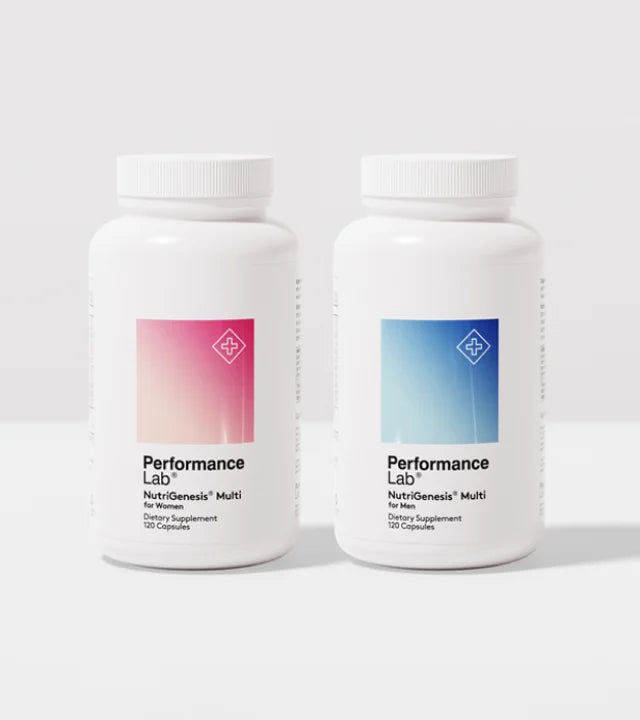
Vitamin K
Vitamin K has lately garnered the nootropic spotlight due to its contribution to cognitive health. Initially associated with blood coagulation, current research indicates that many non-blood related vitamin K-dependent (VKDPs) proteins rely on vitamin K in order to fulfill their role in brain function.
Plus, vitamin K affects the nervous system by helping in the metabolism of sphingolipids - structural molecules present in brain cell membranes that protect against damaging inflammation and oxidative stress.(13)
Iron
Iron is a co-factor of the synthesis of myelin - the fatty sheath that surrounds and protects brain cells. It also factors in neurotransmitter synthesis and oxidative metabolism, a process the body uses to turn carbohydrates and sugars into energy.
Adequate amounts of iron are needed for myelin production and neurotransmitter synthesis, but too much iron in the brain can lead to chronic cognitive malfunction linked to iron-influenced oxidative stress.(13)
Best Nootropic Stack for Brain Health & Memory in 2026
Mind Lab Pro®

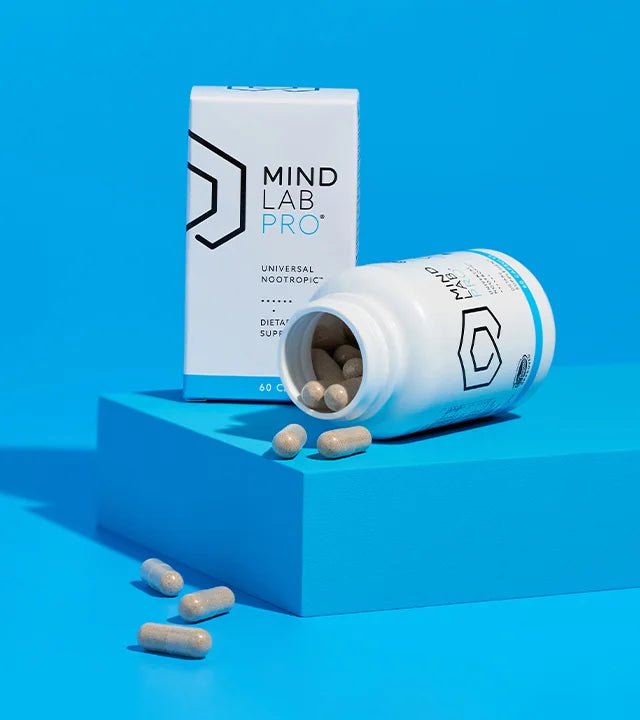
MLP® is a "Universal Nootropic" designed to boost the whole brain. As a result, it helps to enhance all types of cognitive function in all types of people. MLP® also includes B6, B9, B12 -- three of the most important essentials for the brain -- which work in concert with its more exotic nootropics to provide a boost to both all-round function and overall brain health. Overall, it helps to improve memory, enhance mental clarity, reduce stress responses, balance mood, assist with attention and pretty much any other cognitive function you can think of.
The MLP Formula: Citicoline (CDP Choline) dosage 250mg per serving, Phosphatidylserine (PS) 100mg (from sunflower lecithin), Bacopa monnieri 150mg (24% bacosides, 9 bioactives), Organic Lion's Mane Mushroom 500mg (fruit and mycelium), Maritime Pine Bark Extract 75mg (Standardized to 95% proanthocyanidins), N-Acetyl L-Tyrosine 175mg, L-Theanine 100mg per serving, Rhodiola rosea 50mg (Standardized to 3% rosavins and 1% salidrosides), NutriGenesis® Vitamin B6 (2.5 mg), Vitamin B9 (100 mcg), Vitamin B12 (7.5 mcg)
Mind Lab Pro® is one supplement for multiple brain needs: It benefits attention, focus, memory, clarity, stress resistance, mood, mental performance, stress related symptoms and more.
MLP® is also backed by research.
Two well-designed human research trials conducted at the University of Leeds have demonstrated its benefits for information processing, improved performance on memory tests, and enhanced communication between brain regions.(15,16,17)
Although Mind Lab Pro® provides some of the best nutritional support for B-complex vitamins, you may need more support from other vitamins and minerals to round out your brain health essentials. The best one to buy:
Performance Lab® NutriGenesis® Multi Men’s Formula and Women’s Formula.

NutriGenesis® nature-identical vitamin and mineral essentials for healthy biological performance*
These customized men’s and women’s multivitamin formulas that support healthy performance across all body systems, including the brain and nervous system.
Like Mind Lab Pro®, Performance Lab® NutriGenesis® Multi supplies nature-identical vitamins in minerals. This advanced nutrient form is lab-grown on cultures, complexed with cofactors, enzymes and probiotics that enhance nutrient bioavailability, giving a boost to its nootropic vitamins and minerals.
Performance Lab® NutriGenesis Multi combines with Mind Lab Pro® to deliver a well-rounded, highly bioavailable spectrum of NutriGenesis® nootropic vitamins in minerals, including the B-Complex, Magnesium, Zinc, D3, K2 and more.
More on Performance Lab® NutriGenesis Multi
Frequently Asked Questions
What vitamins are good for the brain?
The most brain-relevant essentials include B vitamins (B6, B9, B12) for neurotransmitters, brain energy, and healthy homocysteine levels, plus vitamin D for mood and cognitive performance, and vitamin E for antioxidant protection. Vitamin C and vitamin A also support antioxidant defenses that protect brain cells. Pair vitamins with key minerals like magnesium (learning, memory, sleep, and stress support) and zinc (brain signaling), and keep iron in a healthy range since both low and excessive iron can affect cognition.
What is the best vitamin for memory and focus?
There is not one single best vitamin for everyone, but B vitamins are foundational for memory and focus because they support neurotransmitter pathways and help keep homocysteine in a healthier range. Vitamin D is also a common gap and is tied to mood and cognitive performance. If concentration is the main goal, consider a broader approach that includes targeted focus support strategies in addition to nutrition. Learn more here: best supplements for focus and concentration.
What minerals does the brain need most?
Key brain-relevant minerals include magnesium (memory, learning, mood, stress, and sleep support), zinc (brain signaling and hippocampus function), iron (myelin, neurotransmitters, and attention), calcium (cell signaling and neurotransmitter release), and potassium (overall nervous system function). The most important rule is balance, because too much of certain minerals, especially calcium or iron, can create problems, while too little can impair cognitive performance and mood.
What are the best vitamins for the nervous system?
B vitamins are central to nervous system support. B6 helps build and convert key neurotransmitters, B9 supports neurotransmitters and healthy cerebrovascular function, and B12 supports healthy neurological function and myelin-related processes. Vitamin D is also relevant because vitamin D receptors are widespread throughout the brain and are linked to neuroprotective support. For deeper detail on specific B vitamins, explore: vitamin B6, vitamin B9, and vitamin B12.
Do vitamins and minerals make you smarter or increase IQ?
Vitamins and minerals do not magically raise IQ, but they can support brain health and help the brain perform tasks more effectively when deficiencies or insufficiencies are holding you back. When key nutrients are low, cognition, mood, and memory can suffer. Restoring nutritional gaps supports the brain systems that drive attention, learning, memory, and mental energy.
How do B6, folate, and B12 support brain health and memory?
B6, folate (B9), and B12 work together in pathways that influence neurotransmitters, myelin support, and healthy blood markers linked to brain aging. This trio is also widely discussed for regulating homocysteine, because elevated homocysteine is associated with cognitive decline risk and vascular stress. Consistent intake from diet and well-designed supplements helps maintain healthier levels over time, potentially enhancing memory in those who are deficient.
Is Mind Lab Pro a multivitamin?
Mind Lab Pro is a nootropic stack that includes key B vitamins (B6, B9, B12) alongside additional cognitive-support ingredients. A multivitamin is designed to provide a broader spectrum of vitamins and minerals across the whole body. If the goal is comprehensive vitamin and mineral coverage, a dedicated multivitamin is the more direct tool, while a nootropic stack like MLP is more for improving mental performance. Learn more about how nootropics support cognition here: how nootropics work.
What does NutriGenesis mean, and why does bioavailability matter?
NutriGenesis refers to nature-identical vitamins and minerals produced with supporting cofactors that help improve how well nutrients are absorbed and utilized. Bioavailability matters because a nutrient is only useful if the body can absorb it effectively and deliver it where it is needed, including across the blood brain barrier for brain-targeted support. Learn more here: NutriGenesis.
Why do magnesium and calcium balance matter for brain function?
Magnesium supports many brain-related processes, including learning, memory, mood, stress, and sleep, while calcium plays a role in neurotransmitter release and intracellular signaling. The key issue is balance, because excessive calcium relative to magnesium can contribute to unwanted effects, while inadequate magnesium intake is common and can show up as brain fog, poor sleep, or stress sensitivity. If sleep is a concern, see: best sleep supplements.
Summary: Vitamins and Brain Function
Maintaining optimal brain health requires essential vitamins and minerals that support cognitive function, memory, and mood regulation. Key nutrients like Vitamin B12, Vitamin D, Magnesium, Iron, and Vitamin B6 play vital roles in neurotransmitter production, neuroprotection, and energy metabolism. Deficiencies in these nutrients are linked to conditions such as depression, memory loss, and even Alzheimer’s disease. Incorporating a balanced healthy diet rich in these nutrients, or using certain supplements including nootropics and multivitamins, to help bridge dietary gaps and promote long-term brain health.
References
- Elias, M. F., Sullivan, L. M., D'Agostino, R. B., Elias, P. K., Beiser, A., Au, R., ... & Wolf, P. A. (2006). Homocysteine, folate, and vitamins B6 and B12 blood levels in relation to cognitive performance: The Maine-Syracuse Study. Psychosomatic Medicine, 68(4), 547–554. Link
- Lanska, D. J. (2009). Historical aspects of the major neurological vitamin deficiency disorders: The water-soluble B vitamins. Handbook of Clinical Neurology, 95, 445–476. Link
- Schafer, J. H., Glass, T. A., Bolla, K. I., Mintz, M., Jedlicka, A. E., & Schwartz, B. S. (2005). Homocysteine and cognitive function in a population-based study of older adults. Journal of the American Geriatrics Society, 53(3), 381–388. Link
- Malouf, R., & Evans, J. G. (2003). The effect of vitamin B6 on cognition. Cochrane Database of Systematic Reviews, (4), CD004393. Link
- Homocysteine Lowering Trialists’ Collaboration. (1998). Lowering blood homocysteine with folic acid based supplements: Meta-analysis of randomised trials. BMJ, 316(7135), 894–898. Link
- Head, K. A., & Kelly, G. S. (2009). Nutrients and botanicals for treatment of stress: Adrenal fatigue, neurotransmitter imbalance, anxiety, and restless sleep. Alternative Medicine Review, 14(2), 114–140. Link
- Young, S. (2007). Folate and depression—a neglected problem. Journal of Psychiatry & Neuroscience, 32(2), 80–82. Link
- Smith, A. D., & Refsum, H. (2016). Homocysteine, B vitamins, and cognitive impairment. Annual Review of Nutrition, 36, 211–239. Link
- Nilsson, K., Gustafson, L., & Hultberg, B. (2000). Treatment of cobalamin deficiency in dementia, evaluated clinically and with cerebral blood flow measurements. Aging Clinical and Experimental Research, 12(3), 199–207. Link
- King, D. E., Mainous, A. G., 3rd, Geesey, M. E., & Woolson, R. F. (2005). Dietary magnesium and C-reactive protein levels. Journal of the American College of Nutrition, 24(3), 166–171. Link
- Institute of Medicine (US) Committee to Review Dietary Reference Intakes for Vitamin D and Calcium. (2011). Dietary Reference Intakes for Calcium and Vitamin D. National Academies Press (US). Link
- Soni, M., Kos, K., Lang, I. A., Jones, K., Melzer, D., & Llewellyn, D. J. (2012). Vitamin D and cognitive function. Scandinavian Journal of Clinical and Laboratory Investigation, 72(Suppl 243), 79–82. Link
- Ferland, G. (2013). Vitamin K and brain function. Seminars in Thrombosis and Hemostasis, 39(8), 849–855. Link
- Pinero, D. J., & Connor, J. R. (2000). Iron in the brain: An important contributor in normal and diseased states. The Neuroscientist, 6(6), 435–453. Link
- Utley, A., Gonzalez, Y., & Imboden, C. A. (2023). The efficacy of a nootropic supplement on information processing in adults: A double blind, placebo controlled study. Biomedical Journal of Scientific & Technical Research, 49(1). Link
- Abbott-Imboden, C., Gonzalez, Y., & Utley, A. (2023). Efficacy of the nootropic supplement Mind Lab Pro on memory in adults: Double blind, placebo-controlled study. Human Psychopharmacology: Clinical and Experimental, 38(3), e2872. Link
- O’Reilly, D., Bolam, J., Delis, I., & Utley, A. (2025). Neural mechanisms of cognitive enhancement with a nootropic supplement. Brain Sciences, 15(3), 226. Link