

Concussion recovery can feel like living in fog...headaches, poor focus, mood swings, and broken sleep. Your doctor’s plan comes first, but with their okay, certain evidence-informed nutrients may help support brain repair and day-to-day function during recovery.
With a healthy brain, we can meet everyday challenges and stressors with ease. But when the brain is impaired, even a simple task can seem monumental.
Many adults are struggling with brain injury consequences. The CDC estimates ~214,110 TBI-related hospitalizations (2020) and ~69,473 TBI-related deaths (2021) in the U.S.; these totals don’t include the many TBIs treated only in ED/urgent care/primary care or not treated. (CDC, 2024). Across studies, lingering symptoms after concussion occur in a meaningful minority of adults, too.
If you are looking for safe supplements or nootropics that can help support recovery after a concussion or traumatic brain injury (TBI), that also works with your doctor's well-known concussion protocols, this guide is for you. We're about to dig into the best supplements for supporting optimal recovery after concussion. Let's get to it!
Important: Brain injuries are medical emergencies. Seek immediate care. Supplements should only complement a clinician-designed recovery plan for concussion patients and be used with medical approval.
Key Takeaways
- Supplements are adjuncts only: talk to your clinician first; never replace medical care after head injury.
- Potential roles: support neuronal protection, cognitive performance, and cell repair during recovery of an injured brain (doctor-approved).
- Safety first: dosing, timing, and interactions matter—especially with existing conditions or meds.
- Concussion recovery is mostly time + smart rest. Supplements may support the brain’s healing environment, but they don’t “cure” a concussion and should never replace medical guidance.
- Prioritize the foundations first: sleep quality, gradual return-to-activity, hydration, protein intake, and avoiding alcohol/re-injury are often more impactful than any supplement.
- Most science-backed supplement categories for supportive recovery tend to include omega-3s (EPA/DHA), creatine, and magnesium (evidence varies by population and outcome).
- Target oxidative stress and neuroinflammation support with options commonly discussed in the literature such as curcumin and N-acetylcysteine (NAC)—while noting that human concussion data can be limited or mixed.
- Support energy metabolism and neurotransmitter balance with nutrients like B vitamins (especially if deficient) and choline sources (e.g., citicoline), which may be relevant to cognitive symptoms in some contexts. Evidence suggests Vitamin D supplements may also help with recovery in deficient individuals.
- Consider symptom-specific support: sleep disruption (e.g., melatonin), headaches/muscle tension (e.g., magnesium), or mood strain (e.g., omega-3s)—always aligned with clinician guidance.
- Dosing and timing matter. Some supplements are studied acutely post-injury, others as longer-term nutritional support—your article will outline practical timing considerations.
- Safety first: post-concussion supplements can interact with medications or worsen symptoms (e.g., stimulants, sleep aids, blood thinners). Start low, use one change at a time, and stop if symptoms worsen.
- Red flags require medical evaluation: worsening headaches, repeated vomiting, confusion, seizures, weakness, or worsening symptoms after initial improvement.
Best nutritional supplements for concussion recovery support in 2026
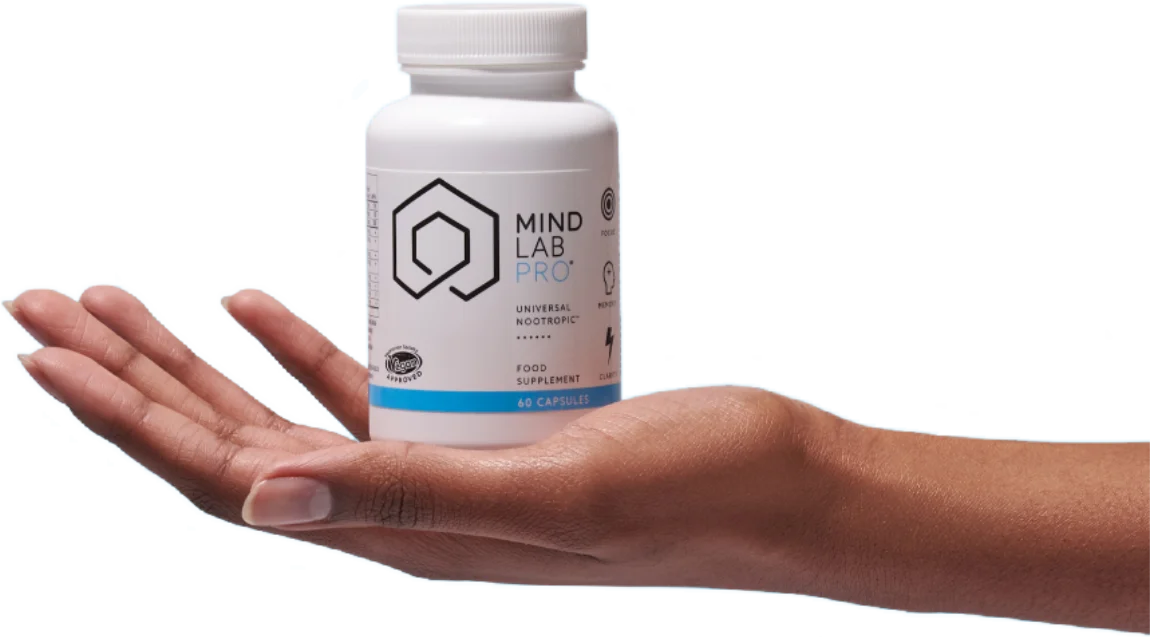
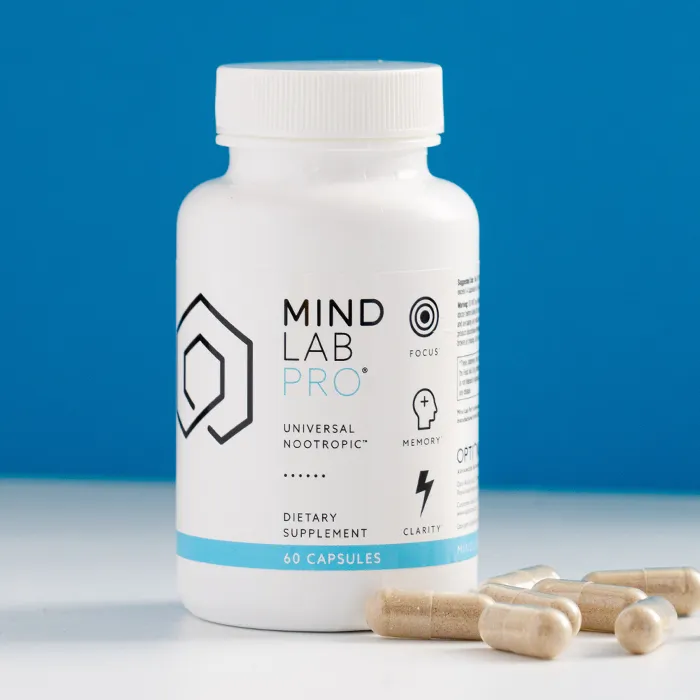
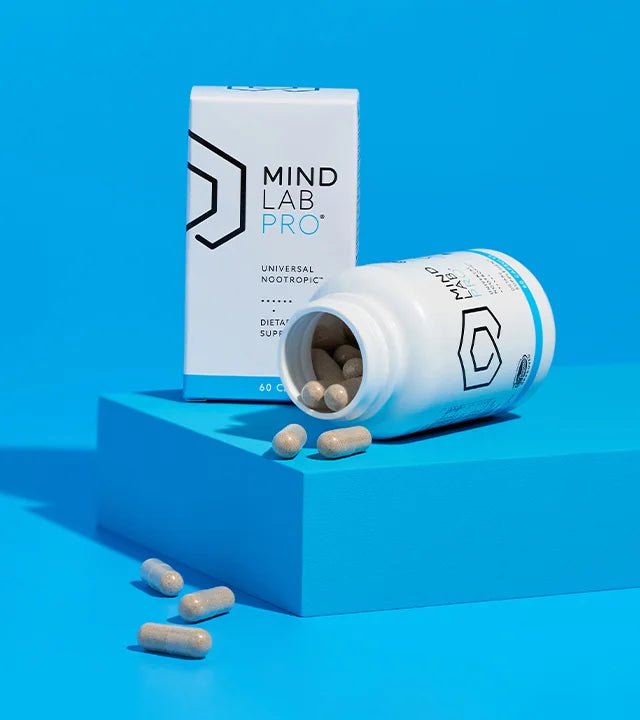
- Mind Lab Pro: A comprehensive nootropic supplement supporting brain regeneration, cognitive function, and overall brain health. 11-in-1 formula supplies several of the top researched nutrients and nootropics to help with concussion recovery.
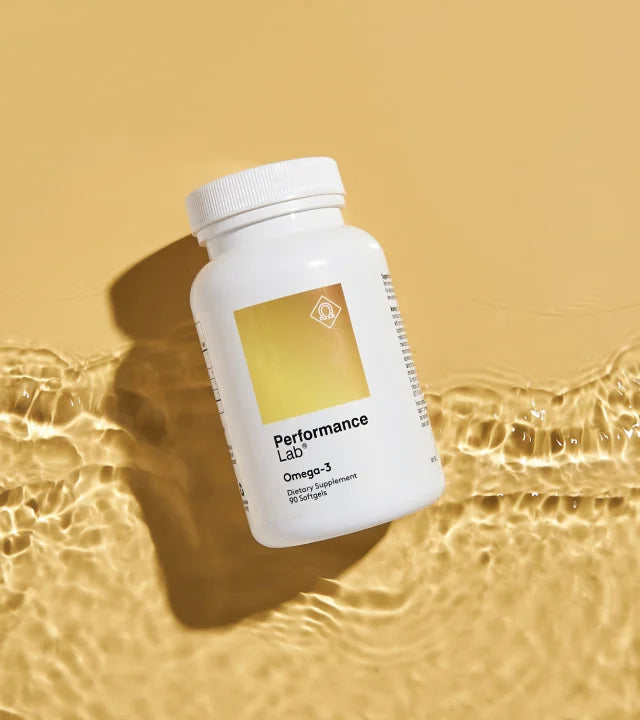
- Performance Lab® Omega-3: Plant-based DHA and EPA are healthy Omega-3 fatty acids ("good fats") for the brain healing process. This supplement delivers Omega-3 benefits without fish oil drawbacks like gastric discomfort or environmental impact.
- MCT Energy Oil: Provides energy from organic, non-GMO medium-chain triglycerides to fuel brain regeneration.
- Performance Lab® Energy: Caffeine-free formula with ALCAR and mitochondrial boosters for energy-intensive brain repair.
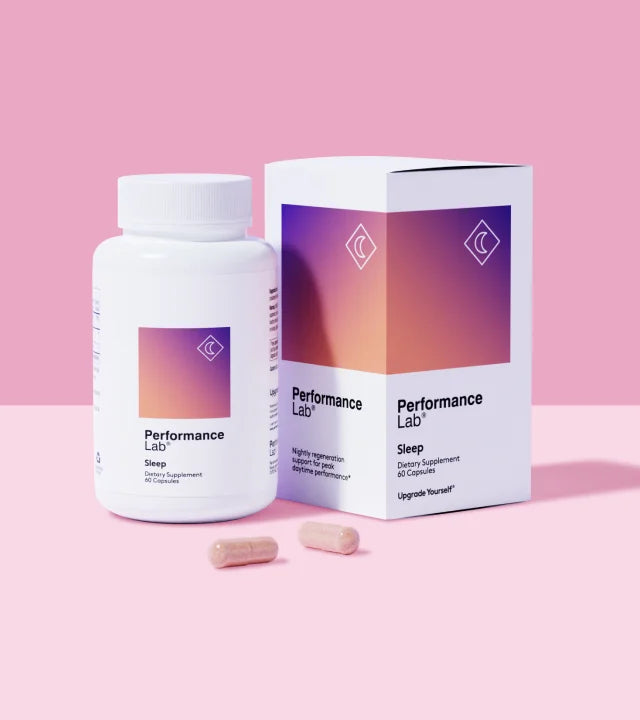
- Performance Lab® Sleep: Fights sleep disruption. Promotes deep, restorative sleep essential for brain recovery, especially after concussion or any type of brain injury.
Disclaimer
This article is for educational purposes only and is not medical advice. A concussion is a brain injury and regardless of injury severity should be evaluated by a qualified healthcare provider. Seek urgent care immediately if symptoms are severe or worsening, or if you have red flags such as repeated vomiting, worsening headache, confusion, fainting, seizure, weakness/numbness, slurred speech, unequal pupils, or increasing drowsiness. Supplements may offer supportive nutrition, but they do not diagnose, treat, cure, or prevent concussion, and they are not a substitute for a clinician-guided recovery plan (including rest and a gradual return to activity). Talk to your clinician before using any supplement—especially if you are pregnant, under 18, have kidney/liver disease, bleeding risk, or take prescription medications (including blood thinners, drugs to reduce inflammation, antidepressants, stimulants, or sleep medications). If you choose to use supplements, start low, introduce one at a time, and stop and seek medical advice if symptoms worsen or you experience side effects.
What Is Concussion?
Concussion is a form of traumatic brain injury (TBI) caused by a bump or blow to the head that disrupts normal brain function. Concussions range in severity from mild TBI to severe.
Most concussions are characterized as mild traumatic brain injury, but even a “simple” concussion can result in cognitive impairment and white matter disruption that may endure for years.(1)
With a mild concussion, the primary injury is bruising of the brain. In more severe cases brain hemorrhaging can occur in brain injury patients.
Among the public, sports injuries, bicycle and vehicle accidents, and falls are the most common causes of concussion.
Although there are common symptoms, every brain injury is different – and so is recovery. Most people with mild concussions fully recover over time. And while some symptoms might only last a few days, others can last for months or years.
Older people and those who have had one or more concussions in the past may take longer to recover. And people who have already sustained one concussion tend to be more susceptible to having another.
Symptoms of Concussion
Even a mild concussion can cause serious damage. If you experience any of the following symptoms you should seek medical attention immediately.
Early symptoms occur within a few minutes to a few hours and include:
- Confusion
- Dizziness
- Headache
- Nausea
- Vomiting
- Memory loss
Later symptoms may develop days to weeks later and include:
- Poor attention
- Migraines
- Irritability
- Mood swings
- Personality changes
- Memory impairment
- Fatigue
- Insomnia
Recognizing the signs of a concussion can help protect your cognitive health and avert a second injury.
Concussion is one of the most common injuries in contact sports. In the past, athletes were expected to play through it. But as research reveals more evidence about the profound and lasting neurological damage caused by concussion, the rules are changing.
New protocols sideline athletes for longer periods of time in order to minimize the risk of repeated and permanent injury. And safer standards could mean the difference between quicker recovery and lasting cognitive problems.
Post Concussion Syndrome
Post Concussion Syndrome (PCS) is the term used to describe the chain of symptoms that may occur after a concussion. But not all symptoms are apparent, and the severity of a concussion isn’t an accurate predictor of PCS development. Risk factors that do seem to contribute to PCS include:
- Multiple concussions
- Mental health issues
- Being over age 40
- Being female
The biomechanics of concussionvaries from person to person, but the markers are relatively similar. Scientists place brain changes after head injury into two categories.
Structural malformity causes neurons, tissue, and blood vessels to misfunction. Functional imbalances affect physiological brain functions, including oxygen and blood circulation, brain wave states, and brain chemical levels.
The severity of PCS symptoms and progress of traumatic brain injury recovery varies depending on how structural and functional systems are affected buy may include:
- Amnesia
- Anxiety
- Apathy
- Depression
- Dizziness
- Fatigue
- Headache
- Insomnia
- Irritability
- Migraine (chronic)
- Mood disorders
- Nausea
- Poor focus/concentration
- Sensory sensitivity
- Tinnitus
- Vertigo
Cognition After Concussion
Like all TBI’s, concussion can affect a wide range of cognitive functions, including behavior, memory, attention, motor skills, and learning. Multiple concussions can worsen impaired cognition and lead to permanent damage.
- One study demonstrated how two mild concussions three days apart can cause metabolic abnormalities similar to those caused by one severe TBI. The study showed profound changes in acetyl-CoA, gene expression, neurotransmitters, and mitochondrial metabolism.(2)
But even a single concussion can impair cognitive functioning in specific area.
Attention
After a concussion, many people have a hard time concentrating and may become easily distracted and impulsive. They may have difficulty comprehending reading material or following a conversation, which impairs the ability to multitask and impacts learning and memory.
More on Mind Lab Pro® nootropics for attention
Memory
Memory problems are a common early symptom of brain injury. Often, people cannot remember events that happened immediately before, during, or soon after the injury.
A brain injury that causes memory problems usually affects working memory and short-term memory, but sometimes it can impact long-term memory as well.
Memory impairment usually improves over time as one progresses through traumatic brain injury recovery, but the ability to learn and remember new things may be permanently reduced to some extent.
More on Mind Lab Pro® nootropics for memory
Mood
A concussion may damage brain regions that control emotions and behavior. In some cases a concussion can trigger sudden episodes of uncontrollable laughing or crying without an apparent cause. Minor mood changes often improve within a few months, but more severe concussions can result in permanent personality and behavioral changes.
More on Mind Lab Pro® nootropics for mood
Sensory
Concussions can cause temporary or lasting vision and hearing problems.
Vision
Vision problems may include:
- Blurred vision
- Light sensitivity
- Eye tracking problems
- Double vision
- Pressure or aching in the eyes
- Visual Field Loss
Hearing
Head trauma can damage the auditory pathway at any point between the outer ear and the auditory cortex, potentially causing temporary or permanent hearing problems including:
- Difficulty hearing conversations over background noise
- Problems with sound location and direction
- Tinnitus
- Hyperacusis (sensitivity to sound)
- Conductive or sensorineural hearing loss
Concussion and the Brain
Brain trauma is linked to earlier onset of age-related cognitive decline and dementia. In a study of 100 active and retired NFL players, researchers found reduced brain blood flow and a higher rate of depression, memory and attention problems compared to non-athletes.(3)
A blow to the head triggers a cascade of events in the brain that may include neural depolarization, release of excitatory neurotransmitters, reduced cerebral blood flow, insufficient glucose metabolism, and impaired brain cell communication.
Neurotransmitters
Brain injuries can cause neural membranes to collapse, exposing neurons inside to excessive amounts of potassium and triggering the release of toxic amounts of excitatory neurotransmitters like glutamate.(4)
Other neural mechanisms step in to minimize the damage, leading to widespread neuronal suppression as sodium and potassium pumps attempt to restore ionic balance. These pumps require high levels of glucose for metabolism, and over-activation causes brain cell energy stores to become depleted.
This metabolic increase begins immediately upon injury and can last from 30 minutes to 4 hours.
NMDA Receptors
NMDA (glutamate receptor) channels support long-term potentiation (LTP), a lasting increase in neuronal communication triggered by repeated chemical stimulation. LTP is linked tolearningandlong-term memory formation.
Concussion activates NMDA channels, boosting Ca++ (calcium ions) levels which accumulate in mitochondria, leading to glucose oxidative dysfunction.
This oxidation is normally mitigated by antioxidants which block free radical damage to brain cells. But after a concussion, normal antioxidant levels are insufficient to protect brain cells from damage and even death.
Animal studies have shown that levels of creatine (Cr), NAA, and phosphatidylcholine (PC) are reduced after TBI. And these findings were later confirmed in athletes with concussion.
This chain reaction can impair long-term potentiation. Problems with LTP usually become noticeable within 2 days of injury and often resolve within two weeks, but LTP impairment can last up to 8 weeks after TBI.(5)
Cerebral Circulation
Immediately after a concussion, cerebral blood flow decreases. But for the next three days blood flow in the brain increases too much. Then, for up to two weeks following TBI, blood vessels constrict, obstructing blood flow and hindering brain cell repair and maintenance.(6)
Axons
Axons are long, slender nerve fibers that connect neurons, paving the way for brain cell communication. Neurofilaments are a major component of neuron cytoskeletons and provide structural support for axons. Concussion can cause axonal stretching and neurofilament compaction, resulting in axonal swelling and breakage.
Neurofilament compaction can occur as soon as five minutes after a head injury and continue for up to six hours. Axon damage can advance for up to six weeks after injury andcan impair cognitive function for eight months to three years after concussion.(7)
Self Care After Concussion
There are some important steps you can take in order to improve recovery and minimize cognitive damage.
Sleep
Forget the popular belief that sleeping is dangerous after a concussion. The brain actively repairs damages and shores up defenses during deep sleep when outside stimuli is lowest. Getting enough sleep is crucial because it helps the brain to heal. Unless your doctor advises otherwise, get plenty of sleep at night and rest throughout the day.
Avoid Strenuous Activity
Strenuous activity can use up precious brain energy stores and prolong recovery time. Avoid intense workout sessions, heavy lifting, running, heavy housecleaning, and other intense physical exertion.
Limit Electronic Exposure
Electronic devices – TV, computer, phone, tablet, etc. – can overstimulate sensory brain mechanisms after a concussion, stressing the brain and using valuable brain resources that could be directed at brain repair. It’s best to limit your use of electronics early in the recovery process.
Eliminate Alcohol and Tobacco
Alcohol is a neurotoxin that raises cortisol levels, disrupts the blood-brain barrier, and increases inflammation and oxidative stress. Tobacco constricts blood vessels, and so can a concussion. Try not to double the damage by smoking tobacco or drinking alcohol until your brain has healed most of the damage from the head injury.
Music can help your brain adapt and perform better after a concussion.
Recovery after brain injury depends on many things. One of the most important is plasticity - the brain's ability to create new neural pathways and connections.
Music can enhance neural plasticity by engaging both left and right brain hemispheres and activating many different brain regions simultaneously. Some of the same nootropics that work for musicians can help with brain injury, especially when combined with music therapies.
Mind Lab Pro® Nootropics for Concussion Recovery Support
Concussion can cause problems with neurotransmitter activation, brain cell communication, brain cell energy metabolism, and cerebral blood circulation. Some supplementscan help speed recovery and improve cognitive deficits caused by head injury.
Nootropics for concussion could help reduce some of the lasting impacts of head trauma by repairing cell damage,stimulating the growth of new cells, directing more oxygen to the brain, improving mood and more.
Coping with a brain injury can be difficult, and recovery can be a complex process. These nootropic supplements have been found safe and effective for improving cognitive function and accelerating brain repair after a concussion.
Citicoline

A concussion can decrease the integrity of cell membranes and cause brain cell death. Citicoline can stimulate new brain cell growth and help regenerate damaged cells, improving memory and focus - two common cognitive problems after concussion.
Citicoline boosts brain cell energy and optimizes the neural impulses that power cognitive function. Citicoline also helps synthesize phosphatidylcholine (PC), a phospholipid that forms brain cell membranes. Citicoline combines brain energy support with phospholipid synthesis making it distinctly qualified for intensive brain cell repair and regeneration.
Plus, Citicoline supports neurotransmitters, including acetylcholine, and contributes to neuroprotective antioxidant activity.
- Studies have shown that Cognizin® Citicoline can boost brain cell membrane formation up to twenty six percent and brain energy by over thirteen percent.(8)
More on Mind Lab Pro® Citicoline
Phosphatidylserine

Phosphatidylserine is a fat-soluble amino acid and phospholipid compound that makes up 15 percent of the brain’s cell membrane fats and promotes the release of neurotransmitters like dopamine and acetylcholine.
As a vital part of brain cell membrane structure, PS plays a key role in brain protection and regeneration. During concussive brain injury Phosphatidylserine levels are at risk of oxidative damage, leaving brain cells more vulnerable to injury and destruction.
Boosting PS can help repair brain cells more quickly by enhancing glucose metabolism, which improves brain cell energy production. It may promote brain cell regeneration and enhance neural connectivity by improving nerve growth factor (NGF). And PS helps the immune system dispose of damaged brain cells, making room for healthy ones..
For PCS, Phosphatidylserine (PS) promotes the release of neurotransmitters that help restore cognitive functions like memory, information processing, reasoning, and overall mental performance. It also supports better sleep – so the brain can perform its natural repairs. Finally, PS is known for supporting cognition through the aging process, including assisting with mild cognitive impairment.
More on Mind Lab Pro® Phosphatidylserine
Maritime Pine Bark

The aftereffects of concussion often include free radical damage and inflammation. Both can further injure neurons and continue to exacerbate cell damage for days. Maritime pine bark’s bioactivities combine multiple approaches to support multi-pathway brain regeneration and protect brain cells after a traumatic brain injury.
Animal research indicates that Pycnogenol® Maritime Pine Bark Extract “shows significant potential as a therapeutic intervention following TBI.”
Pycnogenol® is a respected form of Pine Bark Extract standardized at 70% proanthocyanidins and a registered trademark of Horphag Research Management S.A. The Pine Bark Extract in Mind Lab Pro® is standardized to 95% proanthocyanidins.
Proanthocyanidins in the bark possess powerful anti-inflammatory and antioxidant properties that can help neutralize cell damage caused by toxic free radical concentrations in the brain.(9)
Proanthocyanidins work to reduce concussion symptoms by:
- Reducing neuroinflammation
- Protecting brain cell membranes from toxic free radicals
- Protecting DNA from damage caused by oxidation
- Reducing oxidative stress
- Boosting cerebral circulation
Pine bark also stimulates the release of nitric oxide (NO), which relaxes constricted blood vessels and increases cerebral blood flow. Better blood flow delivers more cell-energizing oxygen and glucose to the brain. Finally it also helps raise the brain derived neurotrophic factor that helps to support brain cell repair.
Pine bark extract is more potent than Vitamin E for neutralizing free radical damage, and it helps recycle and prolong the benefits of Vitamins C and E.
More on Mind Lab Pro® Maritime Pine Bark Extract
Lion’s Mane Mushroom

Concussion can severely damage and even destroy nerve cells. To regain full cognitive functioning, those nerve cells have to be mended or replaced.
Lion’s mane is an exeptional brain re-builder. Animal research suggests lion’s mane supplementation appears to enhance neural regeneration and improve formation and repair of cell membranes by fueling nerve growth factor.(10)
Nerve growth factor is a neuropeptide that supports neuroprotective activities including brain cell regeneration and development of myelin sheaths around nerves. This activity can help the brain recover faster and more fully from brain injury.
Lion’s mane contains hericenones and erinacines that promote nerve growth factor (NGF) activity to speed up brain cell regeneration and rebuild brain cell connections for whole brain health.
Some of the most common cognitive problems after concussion include inability to concentrate and poor mood. One study found that four weeks of supplementation with lion’s mane seemed to improve concentration ability and reduced feelings of anxiety and depression.
More on Mind Lab Pro® Lion’s Mane Mushroom
B Complex Vitamins

Any nootropic stack used for concussion recovery should include high quality, absorbable B vitamins. Here's why.
Vitamin B6 (Pyridoxine)
For concussion, B6 controls nerve cell inflammation caused by high homocysteine levels. It also helps to synthesize mood-boosting dopamine, serotonin, and GABA and brain energizing epinephrine and norepinephrine.
Vitamin B6 directly boosts the immune system, improves gene transcription and expression, and helps regulate glucose levels for better brain metabolism.
More on Mind Lab Pro® Vitamin B6
Vitamin B9 (Folate)
B9 contributes to DNA and RNA synthesis, aids gene expression, helps with amino acid production, and boosts metabolism. Folate contributes to the repair and regeneration of cell-protecting myelin sheaths, and it is required for the production of dopamine, serotonin, and epinephrine.
More on Mind Lab Pro® Vitamin B9
Vitamin B12 (Methylcobalamin)
B12 helps minimize axon swelling by regulating inflammatory homocysteine production. And methylcobalamin can help lessen pain and fatigue after a concussion while boosting mood by assisting dopamine, serotonin, GABA, and norepinephrine synthesis.
More on Mind Lab Pro® Vitamin B12
Together as vitamins B6, B9, and B12 can promote mood balance, boost mental energy, assist information storage for better memory and support long-term brain health.
L-Theanine

Commonly found in green tea leaves, L-Theanine is a nootropic amino acid. Although there are currently no human studies that directly explore the benefits of l-theanine for traumatic brain injury, its cognitive benefits are so extensive, especially in the realm of calm clarity.
L-Theanine can enhance memory and attention and promote alpha brain wave activity to generate a mental state of relaxed alertness – major benefits for anyone dealing with a concussion.(11)
More on Mind Lab Pro® L-Theanine
To Caffeine or Not to Caffeine

Green tea has been used for thousands of years for its mood-boosting, cognition-enhancing properties. Green tea contains both l-Theanine and caffeine, and the combination can increase metabolism, regulate glucose levels, protect blood vessel linings, and improve brain function.
Some health professionals caution against the high caffeine content in green tea, but some studies show that caffeine has neuroprotective properties of its own.
Caffeine and l-Theanine alone each provide some brain benefits, but pairing them could protect brain function by reducing brain swelling, deterring brain cell death, and protecting nerve cells from inflammation.(12)
Best Nootropics and Supplements for Concussion Recovery Support in 2026
Mind Lab Pro®

Researchers used to believe that the brain could not heal itself, but we now know it can. New insight into neuroplasticity shows the brain can rewire itself after injury as brain cells and pathways adapt, change, and grow.
- Mind Lab Pro® is a universal nootropic that contains several brain repairing and regenerating ingredients to protect brain mechanisms and help your brain recover faster after concussion.
The multiple symptoms that can follow a concussion can be frustrating to say the least, and the cognitive deficits can last for a long time if left unchecked. MindLab Pro®'s whole-brain approach promotes100% Brainpower™ to boost brain recovery and regeneration after an injury, helping you get back to your old self more quickly.
MLP ingredients include many top nootropics for concussion. Let's take a look at the whole list.
- Citicoline, 250 mg
- Phosphatidylserine (PS), 100 mg
- Bacopa monnieri, 150 mg (full-spectrum extract, 24% bacosides with 9 bioactives)
- Organic Lion’s Mane Mushroom, 500 mg (fruit and mycelium)
- Maritime Pine Bark Extract, 75 mg: (Standardized to 95% proanthocyanidins)
- N-Acetyl L-Tyrosine, 175 mg
- L-Theanine, 100 mg
- Rhodiola rosea, 50 mg (Standardized to 3% rosavins and 1% salidrosides)
- NutriGenesis® B-Vitamins: Vitamin B6 (2.5 mg), Vitamin B9 (100 mcg), Vitamin B12 (7.5 mcg)
MLP is the best of all concussion supplements because it builds cognitive benefits on a base of nourishment for brain health, regeneration and repair.
Due to its 11-in-1 nootropic design, MLP impacts more brain pathways and delivers more brain function benefits than any other dietary supplements on the market. It supports focus, energy, attention, concentration, memory, stress resistance, multitasking, clears brain fog and more. Mind Lab Pro® boosts all aspects of the brain, making it a good choice for concussion support.
Mind Lab Pro®: A Research-Backed Nootropic Supplement
Mind Lab Pro® is backed by rigorous human clinical trials. These studies demonstrate its ability to enhance brain performance across several key cognitive areas.
- In one trial, participants taking Mind Lab Pro for 30 days showed significant improvements compared to those on a placebo in tasks requiring simple reaction time (SRT), choice reaction time (CRT), and anticipation. These functions drive attention, decision-making and focus.(13)
- In another study, participants showed improvement across various memory functions, including auditory, visual, visual working, and both immediate and delayed recall. This may support everyday tasks like remembering names, locations, and objects such as keys.(14)
- In a third study, researchers reported no cognitive improvements with MLP. However, they did note that MLP appeared to help the brain's different regions to communicate together more effectively.(15)
More research on MLP is currently underway.
Pricing & Shipping:
- 1 Bottle (1-month supply): $69 ($2.30/serving)
- 2 Bottles (2-month supply): $138 ($2.30/serving)
- Best Deal: 3 bottles + 1 free, with free shipping: $207 ($1.73/serving)
- All purchases are protected by a 30-day money-back guarantee.
More top supplements for supporting concussion recovery
Performance Lab® Omega-3
After a concussion, omega-3s are often discussed because DHA/EPA support healthy brain cell membranes and a balanced inflammatory response—two basics that matter during recovery. What makes this product stand out is the plant-based DHA + EPA approach (no fish oil), which is a big plus for people who get reflux/fishy burps or GI upset. It’s also an easy “daily foundation” supplement: clean, simple, and consistent—exactly what you want when you’re building a recovery routine. And from a quality angle, a well-made algae omega-3 typically avoids many fish-oil concerns (taste, sustainability, variability), while still delivering the brain-relevant fatty acids people actually look for.
MCT Energy Oil
Concussion recovery can feel like an “energy deficit” period—mentally and physically—so MCTs are popular because they can be converted into ketones, a fast alternative brain fuel. The product value here is practical and clean energy: an organic, non-GMO MCT oil you can add to coffee, smoothies, or food without relying on stimulants. It’s also flexible: you can start with a small amount and scale up, which matters for tolerance. In terms of “quality feel,” a good MCT oil is neutral, mixes well, and is easy to use daily—so it supports consistency without complicating your stack.
Performance Lab® MCT Energy Oil
For enhanced mind-body vitality and metabolic performance.
Shop Now
Performance Lab® Energy
Instead of “forcing” alertness with caffeine, concussion-friendly energy support is often better aimed at cellular energy (ATP) and mitochondria. That’s the core angle of this formula: it’s stimulant-free and built around key nutrients commonly used for mitochondrial performance (like ALCAR and CoQ10-type support), which can be a better fit if you’re trying to avoid jitters, anxiety spikes, or the wired/crash cycle. Product-wise, it’s a strong “workhorse” option because it’s designed for steady, all-day support rather than a short buzz—useful if your goal is getting through work blocks while keeping symptoms calm.
Performance Lab® Energy
Boost mitochondria for mind-body energy, vitality, & performance without caffeine.
Shop Now
Performance Lab® Sleep
Sleep is one of the biggest levers for concussion recovery—when sleep is poor, symptoms often feel louder and your brain has less “repair time.” This product is valuable because it’s aimed at deep, restorative sleep quality rather than sedation, which is the sweet spot for most people recovering from a hit. From a quality standpoint, it’s also a “high ROI” choice: improving sleep tends to improve everything downstream—mood, stress tolerance, headaches, and daytime mental stamina—so it’s a smart foundational add-on to a concussion-support stack.
Frequently Asked Questions
Can you take melatonin with a concussion?
Melatonin may help with sleep disruption, a common symptom after concussion, but you should always get your clinician's approval first since brain injuries are medical emergencies requiring professional oversight. The article notes that symptom-specific support like melatonin for sleep issues should always be aligned with clinician guidance, as supplements can interact with medications or worsen symptoms.
What are the best supplements for concussion recovery?
According to current research, the most science-backed supplement categories for supportive recovery include omega-3s (EPA/DHA), creatine, and magnesium, though evidence varies by population and outcome. Additionally, nutrients like curcumin and N-acetylcysteine (NAC) may help target oxidative stress and neuroinflammation, while B vitamins and choline sources support energy metabolism, but all supplements should only complement a clinician-designed recovery plan.
What type of magnesium is best for concussion recovery?
While the article identifies magnesium as one of the most science-backed supplements for concussion support, particularly for headaches and muscle tension, specific forms are not detailed here. Always consult your clinician for personalized recommendations during concussion recovery.
Can nootropic-induced brain fog cause permanent damage?
While this article focuses on concussion recovery rather than nootropic-induced issues, it emphasizes that supplements should start low with one change at a time and be stopped if symptoms worsen. Always seek medical evaluation for concerning neurological symptoms.
How do supplements help the brain recover after damage?
Supplements may support the brain's healing environment by targeting neuronal protection, supporting cell repair, and addressing oxidative stress and neuroinflammation during recovery. However, supplements do not cure brain injuries. Recovery is mostly time plus smart rest, with nutrients potentially optimizing the conditions for natural healing processes when used alongside proper medical care.
Is it safe to take multiple supplements during concussion recovery?
Safety is paramount. Post-concussion supplements can interact with medications or worsen symptoms, so it is crucial to start low and introduce one change at a time under medical supervision. The article emphasizes that dosing, timing, and interactions matter significantly, especially with existing conditions or medications, and any worsening symptoms require immediate medical evaluation.
What are the most important foundations for concussion recovery before considering supplements?
The article stresses prioritizing sleep quality, gradual return to activity, hydration, protein intake, and avoiding alcohol and re-injury. These foundations are often more impactful than any supplement, and concussion patients should always follow their clinician's specific recovery protocol.
FINAL THOUGHTS
Concussion recovery is real recovery. Concussion care often demands patience, consistency, and smarter support habits than “pushing through.” The most helpful supplements won’t magically heal a brain injury, but they can support the recovery environment your brain needs: stable inflammation balance, healthy cell membranes, reliable energy metabolism, and deeper sleep—the fundamentals that influence how you feel day to day.
Start with the basics: protective nutrition (Omega-3s), clean brain fuel (MCTs), stimulant-free cellular energy support, and sleep optimization. Of course, consult with your healthcare professionals first.
Keep your stack simple, introduce one supplement at a time, and prioritize tolerance—because the “best” protocol is the one you can actually follow consistently. Pair supplementation with the real heavy hitters—medical guidance, rest, graded return to physical activity, hydration, and symptom-aware pacing—and you’ll give yourself the best odds of a smoother, steadier return to clear-headed performance.
References
- Spain, A., Daumas, S., Lifshitz, J., Rhodes, J., Andrews, P. J., Horsburgh, K., & Fowler, J. H. (2010). Mild fluid percussion injury in mice produces evolving selective axonal pathology and cognitive deficits relevant to human brain injury. Journal of Neurotrauma, 27(8), 1429–1438. Link
- Vagnozzi, R., Tavazzi, B., Signoretti, S., Amorini, A. M., Belli, A., Cimatti, M., Delfini, R., Di Pietro, V., Finocchiaro, A., & Lazzarino, G. (2007). Temporal window of metabolic brain vulnerability to concussions: Mitochondrial-related impairment—Part I. Neurosurgery, 61(2), 379–389. Link
- Amen, D. G., et al. (2011). Impact of playing American professional football on long-term brain function. Journal of Neuropsychiatry and Clinical Neurosciences, 23(1). Link
- Katayama, Y., Becker, D. P., Tamura, T., & Hovda, D. A. (1990). Massive increases in extracellular potassium and the indiscriminate release of glutamate following concussive brain injury. Journal of Neurosurgery, 73(6), 889–900. Link
- Sanders, M. J., Sick, T. J., Perez-Pinzon, M. A., Dietrich, W. D., & Green, E. J. (2000). Chronic failure in the maintenance of long-term potentiation following fluid percussion injury in the rat. Brain Research, 861(1), 69–76. Link
- Martin, N. A., Patwardhan, R. V., Alexander, M. J., Africk, C. Z., Lee, J. H., Shalmon, E., Hovda, D. A., & Becker, D. P. (1997). Characterization of cerebral hemodynamic phases following severe head trauma: Hypoperfusion, hyperemia, and vasospasm. Journal of Neurosurgery, 87(1), 9–19. Link
- Lipton, M. L., Gellella, E., Lo, C., Gold, T., Ardekani, B. A., Shifteh, K., Bello, J. A., & Branch, C. A. (2008). Multifocal white matter ultrastructural abnormalities in mild traumatic brain injury with cognitive disability: A voxel-wise analysis of diffusion tensor imaging. Journal of Neurotrauma, 25(11), 1335–1342. Link
- Silveri, M. M., et al. (2008). Citicoline enhances frontal lobe bioenergetics as measured by phosphorus magnetic resonance spectroscopy. NMR in Biomedicine, 21(10), 1066–1075. Link
- Cho, K. J., Yun, C. H., Yoon, D. Y., Cho, Y. S., Rimbach, G., Packer, L., & Chung, A. S. (2000). Effect of bioflavonoids extracted from the bark of Pinus maritima on proinflammatory cytokine interleukin-1 production in lipopolysaccharide-stimulated RAW 264.7. Toxicology and Applied Pharmacology, 168(1), 64–71. Link
- Wong, K. H., Naidu, M., David, R. P., Bakar, R., & Sabaratnam, V. (2012). Neuroregenerative potential of lion's mane mushroom, Hericium erinaceus (Bull.: Fr.) Pers. (higher Basidiomycetes), in the treatment of peripheral nerve injury (review). International Journal of Medicinal Mushrooms, 14(5), 427–446. Link
- Park, S. K., Jung, I. C., Lee, W. K., Lee, Y. S., Park, H. K., Go, H. J., Kim, K., Lim, N. K., Hong, J. T., Ly, S. Y., & Rho, S. S. (2011). A combination of green tea extract and L-theanine improves memory and attention in subjects with mild cognitive impairment: A double-blind placebo-controlled study. Journal of Medicinal Food, 14(4), 334–343. Link
- Sachse, K. T., Jackson, E. K., Wisniewski, S. R., Gillespie, D. G., Puccio, A. M., Clark, R. S., Dixon, C. E., & Kochanek, P. M. (2008). Increases in cerebrospinal fluid caffeine concentration are associated with favorable outcome after severe traumatic brain injury in humans. Journal of Cerebral Blood Flow & Metabolism, 28(2), 395–401. Link
- Utley, A., Gonzalez, Y., & Imboden, C. A. (2023). The efficacy of a nootropic supplement on information processing in adults: A double blind, placebo controlled study. Biomed J Sci & Tech Res, 49(1). Link
- Abbott-Imboden, C., Gonzalez, Y., & Utley, A. (2023). Efficacy of the nootropic supplement Mind Lab Pro on memory in adults: Double blind, placebo-controlled study. Human Psychopharmacology: Clinical and Experimental, e2872. Link
- O’Reilly, D., Bolam, J., Delis, I., & Utley, A. (2025). Neural mechanisms of cognitive enhancement with a nootropic supplement. Brain Sciences, 15(3), 226. Link
* Please note that many Pine Bark Extract studies include data and citations which are specific to Pycnogenol®, which is not an ingredient of Mind Lab Pro®.