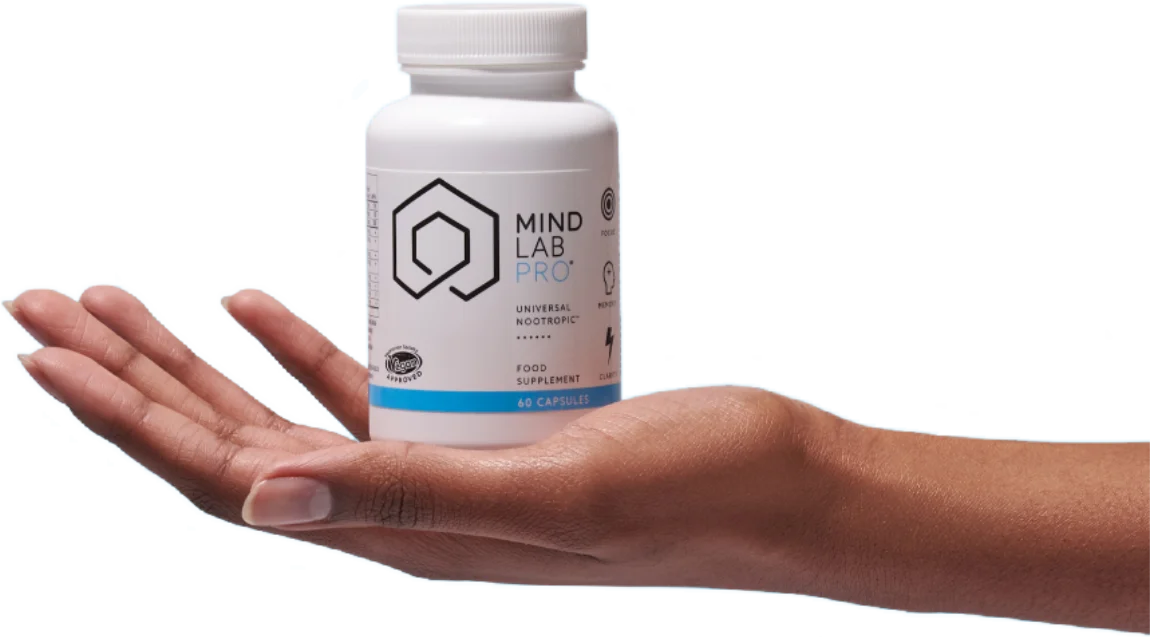


Brain-boosting nootropics are red-hot. And it's not just high-performers seeking short-term cognitive enhancement. Many are also taking brain supplements to nourish the brain for long-range health and mental clarity decades down the road.
Daily supplementation has jumped from general categories to brain supplements, specifically. In one survey, about 57.6% of U.S. adults reported using at least one dietary supplement in the past 30 days (CDC/NCHS NHANES 2017–2018).
And, according to recent data from AARP and the Global Council on Brain Health (updated for 2025), approximately one in five (21%) Americans aged 50+ take a supplement specifically for brain health.
But brain supplementation may create a concern for some: Are nootropics safe to take every day for a long time?
If you want to know if nootropics are safe to use long-term or every day—what research says about safety, tolerance and side effects, and how to take them more responsibly—then this guide is perfect for you.
In this guide, we'll cover long-term safety of brain supplements plus the best nootropics to consider for safe, effective long-range support. Let's get to it!
Key Takeaways
- Nootropics with long-range effects are often aimed at supporting sustained cognitive health, memory, attention, and mental clarity.
- These types of nootropics may provide a short-term mental performance boost, but when taken over time help to nourish and protect the brain for long-range health.
- Nootropics with long term effects may work by protecting brain cells, promoting brain regeneration, regulating brain chemicals and more.
- Are nootropics safe for daily use? Yes for many healthy adults when used as directed, these supplements are considered safe for long-range use.
- However: long-term safety varies widely by ingredient and dose—so it’s safest to stick to well-studied supplements and check with your doctor, especially if you take medications.
Effective Long-Range Nootropics:
- Lion’s Mane Mushroom: Promotes nerve growth factor (NGF) production, supporting brain health and cognitive function over time.
- Phosphatidylserine (PS): Promotes long-term brain health by supporting cellular function, reducing age-related cognitive decline, and enhancing memory retention over time.
- Bacopa Monnieri: Known for improving memory and reducing anxiety, it may take several weeks to show noticeable effects.
- Rhodiola Rosea: Helps manage stress, enhances mood, and supports endurance, leading to better cognitive performance under pressure.
- B-Vitamins: Support long-term cognitive function by maintaining healthy brain metabolism, protecting against neurodegeneration, and improving mood and mental clarity as we age.
- Citicoline (CDP-Choline): Enhances long-range brain health by improving neuroplasticity, boosting acetylcholine levels for better memory and learning, and protecting against cognitive decline over the years.
- Maritime pine bark extract: Supplies a range of antioxidants that combine to help protect the brain against the age-accelerating effects of oxidative stress.
- Omega-3 Fatty Acids: Vital for brain function and overall cognitive health, they support long-term memory and focus.
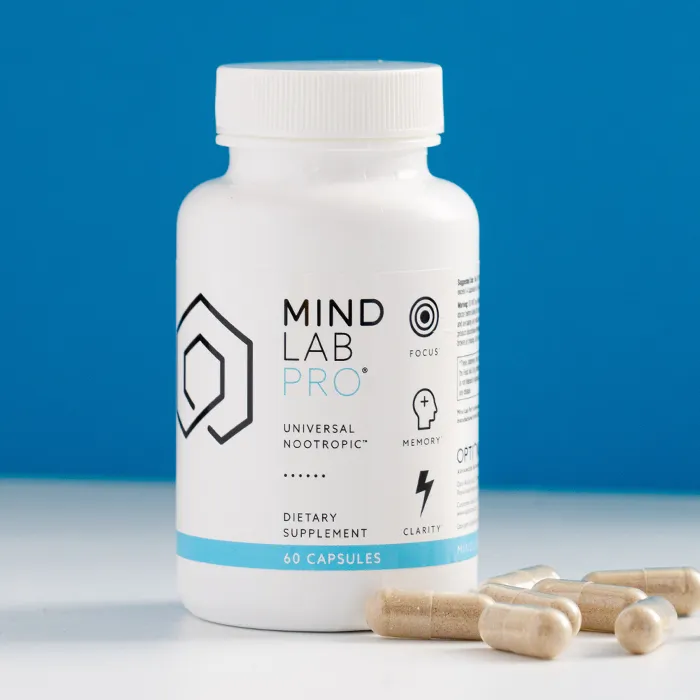
Dietary supplements with the best nootropics for long-term use
- Mind Lab Pro®. This research-backed 11-in-1 formula supplies most of the top nootropics for supporting long-range brain health while also supporting memory, mood, attention, focus, creativity and more. Learn more about Mind Lab Pro benefits and ingredients
- Performance Lab® Omega-3: Omega-3s are great for long range brain health, but fish oil is a turnoff for some. This formula supplies Omega-3 fatty acids from vegan eco-friendly algae, for brain benefits with no fishy stuff. Learn More About Performance Lab Omega-3
In this guide, we'll cover the best nootropics for long-term use as well as potential health and safety concerns with cognitive enhancers, namely synthetic cognitive enhancers.
Disclaimer
This article is for educational purposes only and is not medical advice. Long-term nootropic safety varies by ingredient, dose, product quality, and your individual health status, and some “brain supplements” may carry health risks or interact with prescription drugs. Always talk to your doctor or pharmacist before using any dietary supplements—especially if you’re under 18, pregnant or breastfeeding, have a medical condition, or take medications. This guide discusses dietary supplements only (not prescription nootropics, "smart drugs" or synthetic cognitive-enhancement compounds) and is not intended to diagnose, treat, cure, or prevent any disease.
Long-Term vs. Short-Term Nootropics
 Every day is a long-term investment.
Convenience and immediate gratification -- these are powerful drugs in and of themselves.
Often when we spend extra for something that we may otherwise buy elsewhere for cheaper, we fork over the extra dough for the convenience.
The cognitive enhancing example of this is coffee.
At one point considered a luxury item, coffee is now everywhere; on every street corner, drive-thru, gas station.
And not only that but the cognitive benefits may also be described as convenient and immediately gratifying:
- Convenience- no complex stacking strategies or complicated methods of administration.
- Gratification- coffee and other caffeine sources feel good within seconds upon consumption.
Yet, unlike true nootropics (and, yes, we differentiate true nootropics vs. coffee), caffeine seems to compromise long-term cognitive function for its short-term brain boosts.
While coffee does possess certain daily advantages, the habit may also increase blood pressure and anxiety associated with observable changes on brain patterns.(1)
Simply put, daily coffee use may not contribute to long-term cognitive enhancement the way nootropics do.
However, is it fair and accurate to say that all nootropics work for long-term use?The answer is no.
Some nootropics only work for short-term cognitive concerns whereas others may enhance brain function over time with perpetual use. With that in mind, let's explore theconditional vs. chronic aspects of nootropic usage.
Conditional Cognitive Enhancement
Conditional nootropics work but only under certain conditions, such as sleep deprivation, heightened stress, traumatic brain injury, etc. One great example of a nootropic with conditional cognitive enhancement effects isN-Acetyl L-Tyrosine. Generally speaking, N-Acetyl L-Tyrosine improves cognition impaired by neurotransmitter catecholamine (e.g., dopamine, norepinephrine) depletion. Common contributors to catecholamine depletion include:
- Stress- subjective and hormonal, as in cortisol increases.
- Activity- high-intensity training or recreational activities.
- Fatigue- sleep deprivation, poor rest, metabolic disorders.
In other words, under conditions of high stress, activity, and/or fatigue, N-Acetyl L-Tyrosine may significantly improve cognition. Conversely, under calm, well-rested conditions, N-Acetyl L-Tyrosine's benefits are relatively limited.
Having said that, nootropics with long-term brain boosting potential may increase in effect under short-term conditions of cognitive impairment. (E.g., phosphatidylserine supplementation during certain forms of brain injury.) Thus, nootropics for long-term use may possess short-term, conditional cognitive enhancement benefits as well.
Chronic Cognitive Enhancement
Chronic nootropics work all the time, especially when supplemented daily for a long period of time. In fact some of the best nootropics for long-term use require long-term supplementation to reach peak effect; meaning that you won't feel their cognitive enhancement benefits upon first administration. These nootropic types typically work by improving:
- Cholinergic Activity- by increasing acetylcholine levels, activity, and receptor sensitivity.
- Antioxidant Capacity- by decreasing oxidative stress caused by harmful free radical levels.
- ATP Energy Output- by protecting and improving mitochondrial health and metabolic energy production.
- Neurogenesis Factors- by improving NGF and BDNF levels and expression for greater neuron growth and repair.
And other neuroprotective bio-activities. While many of these long-acting nootropics lack the appeal of convenient, fast-acting cognitive enhancers, their protective and regenerative benefits may theoretically help eliminate the conditional needs for quick-fix boosters down the road.
Possible Long-Term Nootropic Health Concerns

Nootropics may possess long-term health advantages, but do they also come with long-term health disadvantages?
In other words, are nootropics safe and non-addictive?
According to Dr. Corneliu E. Giurgea, the founder of nootropics, the answer to this question is:No, otherwise it's not a nootropic.
Based on the original definition of nootropic, coinced by Dr. Giurgea, a nootropic must be"
Even so, let's explore the questions of nootropic safety and addiction further:
Are Nootropics Safe?
Who determines whether or not nootropics are safe? Unlike prescribed drugs, which are considered unsafe until proven safe, nootropic supplements are generally considered safe until proven otherwise.
For the most part, supplement manufacturers take it upon themselves to assign quality and safety control measures with their formulas. The best approach to supplying a safe, yet effective supplement, is to stack only research-backed nootropics in their highest quality forms (e.g., standardized herbs, patented ingredient brands) while avoiding any unnecessary additives.
Yet, even the safest nootropics may become health risks in an irresponsible manufacturing environment. Quality manufacturing requires taking several steps to ensure supplement safety, such as those described under the Good Manufacturing Practices (GMP).
How to get GMP certified. To get a GMP certification, nootropic supplement manufacturers must abide by certain rules, such as:
- Raw ingredient screening- contaminants and toxins may infiltrate poorly controlled ingredients, particularly herbal ingredients.
- Facility cleanliness- screening for contaminants and toxins also applies to the facilities used for manufacturing.
- Equipment maintenance - to ensure standardized formulas and concentrations, equipment needs to run smoothly and safely.
Nootropic supplements with a GMP certification further reassure their consumers that their ingredients are safe, effective, and high quality.
What to expect with consistent daily use
- Week 1–2: Subtle lift in clarity & task focus as your routine settles.
- Weeks 3–6: Memory/learning support becomes more noticeable; steadier mood & stress response.
- Months 2–3: Compounding benefits for recall, mental energy, and cognitive longevity with continued use.
Are Nootropics Safe for Long-Term Use, Specifically?
“Long-term use” usually means taking a brain supplement daily for months (or even years). In general, many dietary supplements can be used long-term by healthy adults if the product is well-made, the dose is reasonable, and the ingredient has human safety data. However, long-term safety is not guaranteed—because most supplements are not tested like prescription drugs for multi-year use, and people vary widely in sensitivity, medications, and health status.
Why long-term safety is tricky
- Limited long-duration research: Many ingredients have short-term trials (weeks to a few months), but fewer studies track daily use for years.
- Quality can vary: Two products with the “same” ingredient may differ in purity, potency, or contaminants.
- Stacking increases variables: Taking multiple nootropics together increases the chance of interactions, overstimulation, or side effects.
Common long-term risks to watch for
- Sleep disruption: even “non-stim” stacks can subtly impact sleep quality over time (and sleep drives cognition).
- Blood pressure/heart rate changes: more likely with stimulant-like ingredients or high caffeine intake.
- Liver stress (rare, but serious): certain botanicals and concentrated extracts can be a problem for susceptible people.
- Anxiety or irritability drift: sometimes subtle, building slowly—especially with frequent high-demand work or chronic stress.
- Medication interactions: supplements can interact with prescription drugs (including antidepressants, stimulants, thyroid meds, blood thinners).
A realistic, conservative way to use nootropics long-term safely
- Stay “boring” with dosage: avoid megadoses and keep doses in ranges used in human studies when possible.
- Prefer evidence-backed ingredients: choose compounds with human research, not hype-only blends.
- Choose quality signals: GMP manufacturing, transparent labeling, and (ideally) third-party testing.
- Use periodic check-ins: every 4–8 weeks, ask: “Is this still helping? Any new sleep, mood, or energy issues?”
- Consider simple cycling: some people do well with short breaks (example: 5 days on / 2 off) to reduce tolerance and “masking” fatigue.
- Stop quickly if something feels off: new palpitations, worsening anxiety, insomnia, headaches, nausea, or unusual fatigue are signals to pause and reassess.
Who should be extra cautious (or avoid long-term nootropics without medical guidance)
- Anyone under 18
- Pregnancy or breastfeeding
- History of anxiety/panic, bipolar disorder, or insomnia
- Cardiovascular issues (blood pressure, arrhythmias)
- Liver or kidney conditions
- People taking prescription medications
Bottom line: long-term nootropic use can be reasonable for many healthy adults, but it’s smartest when approached like a “long game”— minimal effective dosing, high product quality, consistent self-monitoring, and medical input when needed.
Safety When Buying Multi-Ingredient Nootropic Stacks
Combining many nootropics, whether you are making a homemade nootropic stack or purchasing a pre-made stack, can increase risk of side effects and adverse events. Your best bet is to look for a premade stack that:
- Is high-quality. Look for standardized extracts (more precise active ingredient levels) and branded & patented ingredients (Cognizin citicoline is an excellent example.
- Has been around for a long time; market leaders typically have a much better safety profile that gets even stronger as more and more people use them for longer.
- Is backed by research. Well-designed trials can demonstrate short-range safety and tolerability; manufacturers who invest in such trials are confident in their products.
I was skeptical at first, but I can say that I feel sharper and more clear minded than as long as I can remember.John Y
Are Nootropics Addictive?
The same principle of nootropic safety applies to the question, "Are nootropics addictive?" The answer: if a cognitive enhancing substance comes with a significant abuse risk, then it's not a true nootropic. At least, not by criteria laid out by Dr. Giurgea.
According to the American Psychiatric Association (DSM-IV) and World health Organization (ICD-10), for a substance to be deemed "addictive" it must meet at least three of the following criteria:
- Tolerance - the need for increased dosages over time.
- Withdrawal- physical or emotion upon ceasing use.
- Limited control- frequently regretting using the substance.
- Negative consequences- using despite unwanted outcomes; e.g., poor mood, self-esteem, health, relationships.
- Neglected or postponed activities- putting off professional or recreational work, duties, activities, etc.
- Significant time/energy spent- an exceptional effort directed towards obtaining, concealing, using, or recovering.
- A desire to reduce use- including unsuccessful attempts at ceasing use of substance.
Substances with tolerance build-up risk require "on/off" cycles to mitigate addiction risks. However, natural nootropics generally don't entail tolerance build-up; on the contrary, they may increase in positive effect when used daily for a long period of time.

Stimulants, including caffeine and prescribed "smart" pills, do not qualify as true nootropics, due to their risk abuse. While caffeine ranks a mild or low-risk cognitive enhancer with actual health benefits when used in moderation, more intense stimulants, such as those prescribed for ADD and ADHD, carry little to no actual health benefits. As compared to long-term nootropic use, long-term stimulant use may come with serious, long-term side effects even if they "feel good" in the short-term.
Long-Term Benefits of Nootropics
As suggested earlier, nootropics for long-term use may come with short-term brain boosting advantages as well. However, strictly focusing on the long-term benefits of nootropics, the health advantages of using such nootropics may include:
- Improved long-term memory recall
- Enhanced brain repair and maintenance
- Decreased oxidative stress (free radical damage)
- Reduced amyloid plaque build up
- Improved mitochondrial energy output
- Steadier mood and emotional balance
- Stronger stress resistance
- Increased cognitive longevity
And more. Admittedly, gauging the long-term benefits of nootropics is more difficult than measuring nootropics' short-term advantages, due to time constraints on clinical research. However, it isn't too hard to imagine the almost endless potential that comes with harnessing better cognitive output.
Or perhaps it is hard to imagine, in which case it's high time you found yourself an effective, quality nootropic stack for long-term use. Every day is always yesterday's tomorrow, so why not start tomorrow today?
Mind Lab Pro®: The Best Universal Nootropic for Long-Term Use

Mind Lab Pro® is the world’s first Universal Nootropic™. Containing tried-and-tested, safe and effective natural nootropic ingredients for long-term benefits.
or
Learn more about ingredients about Mind Lab Pro below...
Bacopa Monnieri

As one of the best natural nootropics for a variety of cognitive health benefits, Bacopa monnieri offers a valuable lesson in patience. Compared to many other bio-active herbal nootropics, this Ayurvedic adaptogen is stubborn in releasing its brain boosting effects. However, once achieved, the cognitive enhancement results of long-term Bacopa supplement are undeniable.
Many nootropic users attempt using Bacopa then give up on it after a few days. This is a mistake, as Bacopa monnieri requires at least a couple weeks to build up in effect. Whereas synthetic stimulants come with tolerance concerns over time, Bacopa does the opposite: Bacopa increases in potency with long-term use.
And the long-term benefits of long-term Bacopa supplementation include(3,5):
- Enhancing activity of brain-protective enzymes.
- Decreasing irregular protein clusters.
- Improving neurotransmitter acetylcholine activity.
Associated with memory and learning, acetylcholine plays a key role in high-order cognitive functions. In fact, impaired acetylcholine levels seem to strongly correlate with age-related neurodegeneration.
By sustaining acetylcholine activity, Bacopa may help with long-range cognitive performance.
More on Mind Lab Pro® Bacopa Monnieri.
Phosphatidylserine (PS)

Highly concentrated in the brain,Phosphatidylserine (PS) is a key cellular phospholipid required for brain cell membrane formation. As part of the cell membrane bilayer, phosphatidylserine helps maintain neuronal structure, fluidity, and permeability, regulating the intake of nutrients and outflow of neurotoxins.
Thus, when phosphatidylserine levels diminish, so does general cognitive health and performance.
The brain support benefits recall concepts learned in high school biology: healthy cell membrane structure, cell-to-cell neurotransmissions, myelin sheath protection, neuroregeneration, etc. However, the nootropic benefits of phosphatidylserine supplementation range from the short- to the long-term. One literature review published in 2015 suggests that PS may help with(6):
- Short-term memory processing
- Long-term memory consolidation
- Information processing and retrieval
- Attention and concentration
- Reasoning and problem solving
- Language and communication
- Mild cognitive impairment
From brain energy to brain chemicals to brain protection, PS supplies a wide variety of cognitive health benefits, qualifying it as one of the best daily nootropics for long-term use.
More on Mind Lab Pro® Phosphatidylserine.
Citicoline (CDP Choline)

CDP Choline, or Citicoline, binds two brain healthy compounds in one, charging brainpower for both now and later. The two nootropic compounds united in citicoline include:
- Choline- precursor to neurotransmitter acetylcholine.
- Cytidine- precursor to nucleotide uridine, an energy booster that may improve ATP energy production and potential brain plasticity.
Whereas other nootropic cholinergics simply supply choline, citicoline's additional cytidine attachment gives this cognitive enhancer an edge in the brain booster game by simultaneously improving cell-to-cell communication and long-term neuroregeneration.
To sustain proper neuron maintenance and regeneration levels, the brain needs ATP energy. One human study found that Cognizin® Citicoline increased frontal lobe brain energy levels by 13.6%.(7) This is a remarkable advantage over synthetic stimulants, which overwhelm the brain with an excess amount of energy to the detriment of long-term cognitive energy levels.
Likewise, Cognizin® Citicoline seems to also stimulate phospholipid synthesis,accelerating neuron formation by as much as 26%.(7) This bio-benefit in particular makes citicoline a great stack option with phosphatidylserine.
More on Mind Lab Pro® Citicoline.
Lion's Mane Mushroom

Lion's Mane Mushroom (Hericium erinaceus) is a unique nootropic fungus, and a unique nootropic altogether, for its potential support on the synthesis of neuroregenerating Nerve Growth Factor (NGF). Involved in the genesis and repair of neurons, NGF plays an important part in brain development.
NGF works in several ways(8,9):
- Signals for neuron growth and organization
- Enhances long-term potentiation (LTP)
- Maintains healthy hippocampus function
- Regulates nerve cell myelination
By promoting the formation and release of NGF, Lion's Mane Mushroom may help with brain plasticity within memory and learning regions. NGF is essential for hippocampal plasticity, which degenerates with age.
Lion's Mane Mushroom's potential for long-term brain regeneration and protection qualifies the mushroom as a premium cognitive longevity extender worth daily supplementation.
More on Mind Lab Pro® Lion's Mane Mushroom.
Maritime Pine Bark Extract

Similar to citicoline,Maritime Pine Bark Extract seems to double as both a short- and long-term cognitive enhancer, with its short-term benefits primarily geared towards improved attention under conditions of attention disorder. Even so, while the antioxidant-rich extract may acutely improve attention performance, one study suggests that long-term MPBE supplementation may have lasting effects(10):
- Administered to children with attention deficit hyperactivity disorder (ADHD), maritime pine bark extract significantly improved attention and visual-motoric coordination and concentration.The benefits remained for one month following termination of maritime pine bark extract supplementation.
What's more, maritime pine bark extract's bio-active profile of proanthocyanidin flavonoids possesses an antioxidant capacity 20x greater than that of vitamin E and 50x greater than that of vitamin C.(11) The long-term protective advantages of this extract's antioxidant status are further compounded by the nootropic's ability to support blood flow to the brain, as well as its indirect promotion of brain-derived neurotropic factor (BDNF).
One part neuroprotector, another part neuroregenerator, maritime pine bark extract may significantly replenish cognitive health for the long run.
More on Mind Lab Pro® Maritime Pine Bark Extract.
Omega-3 Fatty Acids

Omega-3 fatty acids, particularly EPA (eicosapentaenoic acid) and DHA (docosahexaenoic acid), are essential fats that play a crucial role in long-term brain health. These fats are vital components of brain cell membranes, influencing the fluidity and function of brain cells, which in turn supports optimal cognitive performance.
DHA, in particular, is highly concentrated in the brain and retina, contributing to the maintenance of structural integrity and facilitating efficient brain signaling. It is also found in mother's milk and is essential for a healthy developing brain.
Regular consumption of Omega-3s has been shown to regulate inflammation in the brain, a key factor in many neurodegenerative likevonvrtnd Alzheimer’s. They also support neuroplasticity—the brain’s ability to form new connections and adapt over time—making Omega-3s beneficial for learning and memory retention.
Studies suggest that long-term Omega-3 intake can slow age-related cognitive decline and may even improve mental clarity, mood, and focus. Moreover, Omega-3s may have a helpful effect against depression and anxiety, conditions that can impair cognitive function if left unchecked.
By improving brain cell communication and reducing oxidative stress, Omega-3s help preserve cognitive abilities well into later years. Consuming Omega-3-rich foods like fatty fish or taking supplements can ensure lasting benefits for brain health, contributing to enhanced mental function throughout life.
Omega-3 Supplementation: Long-Term Safety Research
The VITAL (Vitamin D and OmegA-3 TriaL) is widely considered the most rigorous study of its kind. It followed nearly 26,000 healthy adults for over five years to see if daily supplements could support health. The overall results were a "mixed bag," suggesting benefits for specific groups.(12)
Omega-3s (Fish Oil): It did not significantly reduce the combined risk of major cardiovascular events, but researchers linked it to a significant 28% reduction in heart attacks, with African-Americans benefiting the most.
Vitamin D: It didn't block people from getting serious illness or heart disease, but was linked to a 25% reduction in mortality from serious illness.
We're not summarizing this study for nootropic benefits, but instead to demonstrate Omega-3s' safety. Because VITAL was a high-quality, placebo-controlled trial that was conducted over 5 years, researchers could confidently say that 1g of Omega-3s and 2,000 IU of Vitamin D are remarkably safe for the general population.
Side Effects Notes:
- Gastrointestinal (GI) Issues: No significant difference in stomach upset, nausea, or diarrhea between the supplement group and placebo.
-
Bleeding Risk: A common concern with fish oil. VITAL found no increased risk of major bleeding or clinical bruising at the 1g dose.
- Atrial Fibrillation (AFib): While some newer, higher-dose studies (4g+) have linked fish oil to an irregular heart rhythm called AFib, the VITAL study (at 1g) found no significant increase in AFib risk.
The lead investigator of the VITAL trial, Dr. JoAnn Manson, summarized the safety findings with a clear directive:
"The supplements appeared safe at these doses... The results indicate that if you're already taking these supplements in the doses tested by VITAL and you're doing well on them, there's no reason to stop."
The "Megadose" Warning: Dosage and side effects matter. While the researchers labeled these doses as safe, they issued a specific caution against "megadosing." They noted that while 1g of fish oil was safe and potentially beneficial for the heart, jumping to much higher doses without medical supervision could introduce risks (like the AFib mentioned above) that weren't seen in this study.

Best Nootropics for Long-Term Use in 2026 in One Stack

Unlike other brain supplements, Mind Lab Pro targets several different brain pathways at once, including several pathways related to long-range brain health. It's a "Universal Nootropic" to improve overall brain function.
As a result, Mind Lab Pro® can promote many cognitive function metrics. MLP helps with:
- All types of memory recall, short-term, long-term, and learning
- Focus, concentration and attention
- Healthy and bright mood
- Stress resistance
- Mental alertness
- Brain energy metabolism
- Relaxed clarity
- Mental energy
- Nourish the brain against age-related cognitive impairment
Here are Mind Lab Pro®'s 11 ingredients to enhance cognition:
- Citicoline 250 mg
- Phosphatidylserine, 100 mg
- Bacopa monnieri, 150 mg (as full spectrum extract, 24% bacosides, 9 bioactives)
- Organic Lion's Mane Mushroom, 500 mg
- Rhodiola rosea, 50 mg (3% rosavins, 1% salidrosides)
- L-Theanine, 100 mg
- L-Tyrosine, 175 mg (N-Acetyl L-Tyrosine)
- Maritime Pine Bark Extract, 75 mg (95% proanthocyanidins)
- Vitamins B6 2.5 mg, B9 100 mcg, B12 7.5 mcg (NutriGenesis®)
Read more about MLP ingredients here
MLP® sets the gold standard as a nootropic product that is safe for long-term use.
It has a 10+ year history on the market, thousands of satisfied users, hundreds of positive reviews. It is a clean, premium supplement. Its ingredients are extensively researched, and unlike most nootropic stacks on the market, the MLP® formula has been researched, too. Results reflect its efficacy, safety, and tolerability for the human body and brain.
Mind Lab Pro® is Backed By Research.
Mind Lab Pro® is a rare nootropic stack that has been validated by well-designed human clinical research trials. In this research, MLP was shown to enhance several cognitive functions:
- In one study, researchers reported that healthy adults taking Mind Lab Pro for 30 days experienced a significant benefit (when compared to those taking placebo) in performing information processing speed involving simple reaction time (SRT), choice reaction time (CRT) and anticipation.(13)
- A second study found that healthy people taking Mind Lab Pro demonstrated significant improvements across all memory functions that were tested, including auditory, visual, visual working, immediate and delayed recall memory.(14)
- In study 3, researchers linked oral administration of MLP to enhanced communication between different parts of the brain (measured by EEG) and suggested this coordinating effect may explain some of Mind Lab Pro's potential nootropic effects.(15)
More research on how this advanced supplement may improve brain performance and sharpen mental skills is currently underway.
Mind Lab Pro ultimately supplies a broad-range stack of researched nootropics for both long-term health and short-term cognitive effects.
MLP®
Performance Lab® Omega-3

Today's most advanced Omega-3 supplement: Ultra-clean and vegan "good fats" sourced from eco-friendly marine algae -- not fish.
Ingredients: Each serving of vegan-friendly, carrageenan-free NutriGels® supplies 1800 mg algal oil (540 mg DHA [Docosahexaenoic Acid]) and 270 mg EPA (Eicosapentaenoic Acid).
Omega-3s are among the most versatile nutrients for human health, including for overall brain health. However, not everybody is on-board with fishy fish oil supplements. Performance Lab Omega-3 is sourced from clean marine algae, so you get these fatty acids' neuroprotective effects without environmental concerns or "fish burps."
Summary: Nootropics long term safety and benefits
The best nootropics for long-range brain health are those that support cognitive function, protect against age-related decline, and enhance memory, focus, and mental clarity over time.
Collectively nootropic substances may even safeguard the brain and reinforce its resistance to longer-range concerns.
These nootropics, when used consistently and combined with a healthy lifestyle, may offer a powerful foundation for long-term brain health, fostering improved cognitive performance and resilience as we age.
Mind Lab Pro® supplies a premium, comprehensive stack of nootropics that healthy adults can take safely and daily for both long-term and short-term cognitive benefits.
References
- Smith, J. E., et al. (2012). Storm in a coffee cup: Caffeine modifies brain activation to social signals of threat. Social Cognitive and Affective Neuroscience, 7(7), 831–840. Link
- Giurgea, C., & Salama, M. (1977). Nootropic drugs. Progress in Neuro-Psychopharmacology, 1(3–4), 235–247. Link
- Bhattacharya, S. K., et al. (2000). Antioxidant activity of Bacopa monniera in rat frontal cortex, striatum and hippocampus. Phytotherapy Research, 14(3), 174–179. Link
- Dhanasekaran, M., et al. (2007). Neuroprotective mechanisms of ayurvedic antidementia botanical Bacopa monniera. Phytotherapy Research, 21(10), 965–969. Link
- Goswami, S., Saoji, A., Kumar, N., Thawani, V., Tiwari, M., & Thawani, M. (2011). Effect of Bacopa monnieri on cognitive functions in Alzheimer’s disease patients. International Journal of Collaborative Research on Internal Medicine & Public Health, 3(4), 285–293. Link
- Glade, M. J., & Smith, K. (2015). Phosphatidylserine and the human brain. Nutrition, 31(6), 781–786. Link
- Silveri, M. M., et al. (2008). Citicoline enhances frontal lobe bioenergetics as measured by phosphorus magnetic resonance spectroscopy. NMR in Biomedicine, 21(10), 1066–1075. Link
- Conner, J. M., et al. (2009). NGF is essential for hippocampal plasticity and learning. Journal of Neuroscience, 29(35), 10883–10893. Link
- Kolotushkina, E. V., et al. (2003). The influence of Hericium erinaceus extract on myelination process in vitro. Fiziologichnyi Zhurnal, 49(1), 38–45. Link
- Trebatická, J., et al. (2006). Treatment of ADHD with French maritime pine bark extract, Pycnogenol. European Child & Adolescent Psychiatry, 15(6), 329–335. Link
- Bagchi, D. (2000). Free radicals and grape seed proanthocyanidin extract: Importance in human health and disease prevention. Toxicology, 148(2–3), 187–197. Link
- Manson, J. E., Cook, N. R., Lee, I.-M., Christen, W., Bassuk, S. S., Mora, S., et al. (2019). Marine n−3 fatty acids and prevention of cardiovascular disease and cancer. New England Journal of Medicine, 380(1), 23–32. Link
- Utley, A., Gonzalez, Y., & Imboden, C. A. (2023). The efficacy of a nootropic supplement on information processing in adults: A double blind, placebo controlled study. Biomed J Sci & Tech Res, 49(1). Link
- Abbott-Imboden, C., Gonzalez, Y., & Utley, A. (2023). Efficacy of the nootropic supplement Mind Lab Pro on memory in adults: Double blind, placebo-controlled study. Human Psychopharmacology: Clinical and Experimental, e2872. Link
- O’Reilly, D., Bolam, J., Delis, I., & Utley, A. (2025). Neural mechanisms of cognitive enhancement with a nootropic supplement. Brain Sciences, 15(3), 226. Link
* Please note that many Pine Bark Extract studies include data and citations which are specific to Pycnogenol®, which is not an ingredient of Mind Lab Pro®.