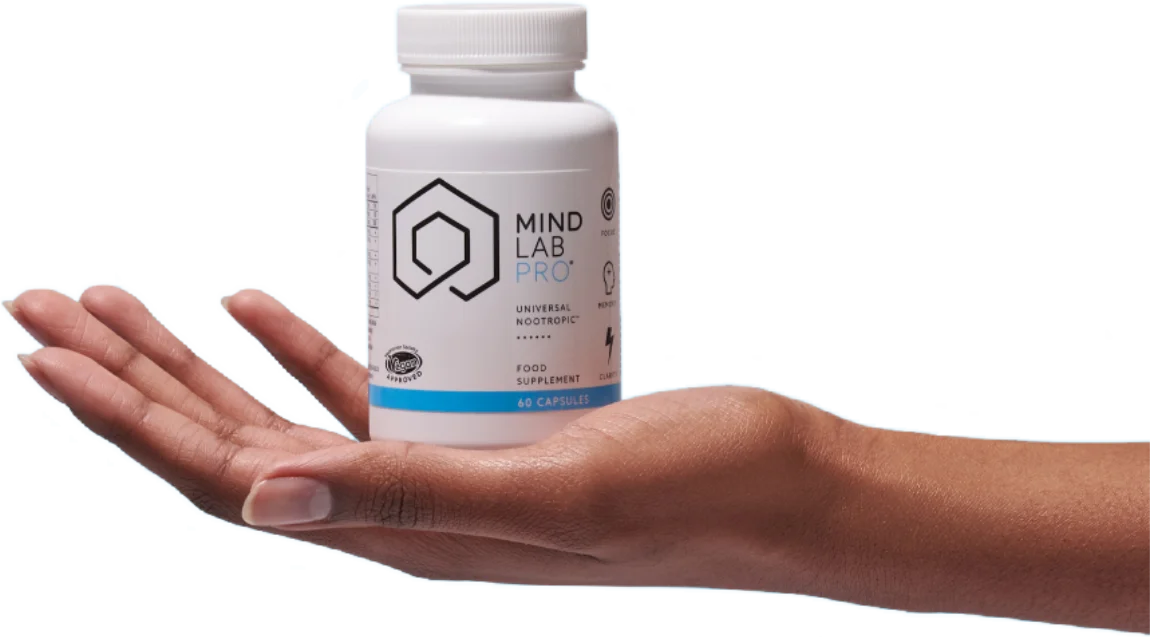


Rewiring the anxious brain means learning how to change ingrained fear-based mental habits, calm your nervous system, and build new brain pathways that support steadier thinking in daily life.
Anxiety can show up in many ways. It might feel like constant worry, difficulty concentrating, chest tightness, a racing heart, worry before everyday situations, or a sudden panic attack. According to the National Institute of Mental Health, an estimated 19.1% of U.S. adults had an anxiety disorder in the past year, and 31.1% experience one at some point in life.
The good news: the human brain can change. Your anxious mind may be trained by stress, fear, avoidance and repetition, but the brain’s ability to form new connections (neuroplasticity, which we'll discuss later) means you can learn new skills, practice effective techniques, and gradually feel calmer in day-to-day life.
This article explains how the anxious brain works in easy-to-understand terms, what is happening inside the fear system, and how to rewire your anxious brain safely and realistically. Let's get to it!
Key Takeaways
- Your anxious brain is not permanently broken. It's just stuck in a primal response designed to manage fear and protect life.
- Neuroplasticity makes change possible because it literally rewires the brain with new neural pathways for calmer thinking.
- The amygdala, prefrontal cortex, limbic system and nervous system are essential players in both anxiety and relaxation.
- CBT, exposure therapy, mindfulness, deep breathing, exercise, sleep, journaling and self-compassion can all help. These tools work best through consistent practice.
- Severe anxiety deserves professional help. If anxiety symptoms interfere with your life, therapy and medical support may be the best starting point.
- Nootropics may help support calm focus, but they do not end anxiety or replace treatment. Supplements are not a cure for anxiety disorders.
Disclaimer
This article is for educational purposes only and is not medical advice. Anxiety disorders, panic attacks, severe anxiety, intense anxiety, depression, trauma symptoms and persistent physical symptoms must be discussed with a qualified mental health or medical professional. Supplements and nootropics do not diagnose, treat, cure or prevent any disease. Talk with your clinician before using supplements if you take antidepressants, anti-anxiety medications, triptans, stimulants, sedatives or other medications; have bipolar disorder, panic disorder, PTSD, heart symptoms, kidney or liver disease; or are pregnant or breastfeeding. Combining antidepressants or other serotonin-active drugs with supplements that may influence serotonin pathways can increase the risk of serotonin syndrome, a rare but potentially life-threatening reaction.(1)
What Is Anxiety?

Anxiety is your brain and body preparing for possible threat. In small amounts, anxiety can be useful. It can help you notice risk, prepare for a meeting, study for a test, or move quickly when something truly unsafe happens.
The problem starts when the brain processes non-threatening situations as threats, even when there is no danger. You may feel anxious before a conversation, worry over a health symptom, replay negative thoughts, and avoid ordinary tasks.
Anxiety symptoms can include:
- worry
- restlessness
- irritability
- muscle tension
- trouble sleeping
- difficulty concentrating
- rapid heartbeat
- shortness of breath
- nausea
- trembling
- sense of doom
These symptoms may even escalate to a frighteningly intense panic attack: chest pain, racing heart, dizziness, stomach distress, tingling, chills and difficulty breathing.(2) Read about nootropics that may help with panic.
That does not mean the symptoms are “all in your head.” Anxiety is a whole-brain, whole-body event. It involves brain function, stress hormones, breathing, heart rate, attention, memory, expectation and learned threat associations.
Did you know? Anxiety is common, but it is not one single experience. NIMH reports that about one-third of U.S. adolescents and adults experience an anxiety disorder at some point in life, and panic disorder is specifically marked by repeated episodes of intense fear with physical symptoms such as chest pain, palpitations, shortness of breath or dizziness.(2,3)
Is It Actually Possible to Rewire the Anxious Brain?
Yes. Rewiring the anxious brain means using neuroplasticity-based habits, therapy tools, and nervous system regulation techniques to weaken fear-based patterns and strengthen calm, flexible thinking.
Understanding neuroplasticity is important here. Neuroplasticity is the brain's ability to change through experience. Every time you practice a response, you strengthen certain neural connections. If you repeatedly avoid a trigger, the anxious brain may learn, “I survived because I escaped.” If you repeatedly face a manageable fear with support, your brain can learn, “This feels uncomfortable, but I can handle it.”
Read more on nootropics for neuroplasticity.
This is the basis of overcoming anxiety based on new learning. You are not deleting fear from the human brain. You are building new connections that help your thinking brain and nervous system respond with greater accuracy.
That is why cutting edge neuroscience and practical therapy often point in the same direction: repeated safe experiences matter. The anxious brain changes through practice, not lectures. The real "brain rewiring" happens when you practice new responses in real life.
How Does Anxiety “Wire” the Brain?

To understand an anxious brain, you only need a few essential players.
The Amygdala: The Fear Center
The amygdala acts like an early-warning system. It helps the brain processes fear quickly, especially when something might be dangerous. This is useful when you need a quick response to danger before you have time to think.
But the amygdala can also become overprotective. If it tags a sensation, memory, place or thought as threatening, it may trigger fear circuits before the prefrontal cortex has fully evaluated the facts. That is why anxiety can feel faster than logic.
The Prefrontal Cortex: The Thinking and Regulation System
The prefrontal cortex helps you pause, evaluate evidence, plan, regulate emotion and choose a response. Research on threat processing suggests the prefrontal cortex plays a key role in fear, including how fears are acquired and how strategies can regulate them.(4)
The Limbic System and Stress Response
The limbic system helps process emotion, memory and threat. When anxiety triggers this system, your body may release stress chemicals and shift into fight-or-flight. Heart rate rises, muscles tense, breathing changes and your attention narrows toward possible danger. In true danger, this makes sense. In everyday situations, it can make life feel smaller. You might find yourself constantly scanning for danger even where none exists.
Habit Loops and Nervous System Sensitization
Anxiety also wires itself through habit loops. Trigger, fear, avoidance, relief. Repeat that enough times and the brain learns that escape is the powerful tool. Unfortunately, short-term relief can train long-term anxiety.
Stress can also sensitize the nervous system. Chronic stress has been linked with changes in brain regions involved in self-regulation, working memory and goal-directed behavior.(5) In layman's terms, prolonged stress can make your alarm system easier to trigger and your calming system harder to access.
Read about adaptogen herbs that may help with stress.
What Techniques Help Rewire the Anxious Brain?

There is no single trick to end anxiety. A better goal is to reduce anxiety, manage anxiety, build new neural connections and practice new pathways until calm responses become easier to access.
1. Cognitive Behavioral Therapy: Change the Pattern, Not Just the Thought
Cognitive behavioral therapy, or CBT, helps you identify anxious predictions, test them against evidence and practice new behaviors. It does not ask you to pretend everything is fine. It helps you see when the anxious brain is overestimating danger and underestimating your ability to cope.
In a meta-analysis of placebo-controlled trials, CBT showed moderate efficacy for anxiety and related disorders, with exposure-focused interventions showing especially meaningful effects in many anxiety contexts.(6) A practical CBT exercise is to write down the trigger, the anxious prediction, the evidence for and against it, and a more balanced next step.
2. Exposure Therapy: Teach the Brain That Fear Can Fade
Exposure therapy helps you gradually face anxiety triggers without escaping, avoiding or using safety behaviors that keep fear alive. The point is not to flood yourself. It is to teach the brain, through experience, that discomfort can rise, peak and fall without danger.
Specific examples might include driving one exit farther, making a short phone call, sitting with a racing heart without checking your pulse, or speaking up once in a meeting. Exposure should be planned, gradual and, for severe anxiety or trauma, guided by a professional.
3. Deep Breathing: Use the Body to Signal Safety
Breathing exercises are popular because anxiety changes breathing. When you breathe high, fast or shallow, the nervous system may stay in threat mode. Deep breathing and slow exhale-focused breathing can help shift the body toward a calmer state.
In a randomized controlled study, adults practiced daily five-minute breathwork or mindfulness meditation for one month. Both groups improved mood and reduced state anxiety, while breathwork — especially exhale-emphasized cyclic sighing — produced greater improvement in mood and respiratory rate than mindfulness meditation.(7)
4. Mindfulness and the Present Moment
Mindfulness means learning to notice thoughts, sensations and emotions without immediately obeying them. Instead of “I feel anxious, so something must be wrong,” mindfulness teaches, “I notice anxiety in my body; let me return to the present moment.”
A meta-analysis of mindfulness training in generalized anxiety disorder found a large effect on anxiety symptoms compared with inactive or non-specified controls, although the evidence base was limited to a small number of studies.(8) The conservative takeaway: mindfulness can be a useful anxiety tool, especially when practiced regularly, but it is not a magic off-switch.
5. Somatic Regulation: Calm the Body Before Debating the Mind
When anxiety is intense, logical arguments may not work first. Somatic regulation starts with the body: unclench the jaw, drop the shoulders, lengthen the exhale, feel the feet, orient to the room, or place a hand on the chest and abdomen.
This helps because the anxious brain is not only producing thoughts. It is producing physical symptoms. Calming the body can make it easier for the prefrontal cortex to come back online.
6. Exercise: Move the Stress Response Through
Exercise is one of the most practical self-help tools for anxiety because it trains the nervous system to tolerate arousal. A pounding heart during a workout can become less scary when the brain learns that increased heart rate does not always mean danger.
A systematic review of randomized controlled trials found that exercise showed benefits for anxiety in select groups and may be comparable to established treatments in some contexts, while also noting that research quality and study designs vary.(9) For daily life, this does not need to mean punishing workouts. Walking, cycling, lifting, yoga, swimming or intervals can all help reduce stress when used consistently.
7. Good Sleep: Restore the Brain’s Emotional Brakes
Good sleep matters because sleep loss can make the threat system louder. Reviews of sleep and emotional brain function describe a “prefrontal-amygdala disconnect,” where sleep deprivation can amplify amygdala reactivity while weakening regulatory control from the prefrontal cortex.(10)
For an anxious brain, sleep is not laziness. It is brain maintenance. Start with a consistent wake time, morning light, less evening caffeine, a wind-down routine and a boring repeatable bedtime cue.
Read about today's top ultramodern sleep supplements.
8. Journaling and Self Compassion
Journaling helps slow brain processes down enough to see them clearly. Try three columns: what happened, what my anxious brain predicted, and what a calmer, more accurate response might be.
Self compassion matters because shame keeps the threat system active. “Why am I like this?” usually increases stress. “This is anxiety; it makes sense that my nervous system is reacting; I can take one grounded step” is more useful.
How Long Does It Take to Rewire the Anxious Brain?
There is no universal timeline. Anxiety that has been practiced for years will not disappear in a weekend. But you can often feel small shifts quickly when you use the right tool at the right moment.
Here is a realistic way to think about it:
- Minutes: Deep breathing, grounding, orienting and muscle relaxation may lower physical symptoms in the moment.
- Days to weeks: Sleep consistency, exercise, mindfulness and journaling may reduce stress load and improve awareness of anxiety triggers.
- Weeks to months: CBT and exposure therapy can help create new neural pathways through repeated corrective experiences.
- Months and beyond: Long-standing patterns of avoidance, trauma-related anxiety or panic may require ongoing practice and professional help.
Progress usually looks uneven. You may still feel anxious, but recover faster. You may still have fears, but avoid less. You may still experience negative thoughts, but believe them less automatically. That is rewiring.
Can I Do This Myself?
Sometimes, yes. Many people can use practical self assessments, breathing exercises, journaling, good sleep, exercise and gradual behavior changes to manage anxiety in daily life.
But doing it yourself does not mean doing it alone. Professional help is wise if anxiety is severe, getting worse, causing panic attacks, interfering with work or relationships, disrupting sleep, leading to substance use, or making you feel unsafe. A therapist can help you identify different aspects of anxiety, choose the right exposure plan and avoid accidentally reinforcing fear.
Medical support may also matter. Some anxiety symptoms overlap with thyroid issues, heart rhythm problems, medication side effects, caffeine overuse, sleep apnea and other health concerns. If physical symptoms are new, intense or confusing, get evaluated rather than assuming everything is anxiety.
Key takeaway: It is always the smartest move to tackle anxiety with the help of a trained professional.
Nootropics That May Help With Anxiety
Nootropics are compounds used to support cognitive function. For anxiety, the most responsible product angle is not “take a pill and end anxiety.” It is: certain nootropics may help support calm focus, stress resilience, brain function, sleep quality or neurotransmitter balance while you practice the deeper rewiring work.
For an overarching look at these brain supplements, check out what nootropics are, the benefits of nootropics, and this guide to nootropics and neurotransmitters.
*Note: The nootropics below are not anxiety treatments or cures. Rather, some have shown potential for anxiety in studies, or potential to help with anxiety-adjacent cognitive functions.
L-Theanine

L-theanine is an amino acid naturally found in tea. It is widely used for calm focus because it appears to influence alpha brainwave activity and stress-related physiology without acting like a heavy sedative.
In a randomized, placebo-controlled, crossover, double-blind trial, healthy adults took L-theanine for four weeks. Researchers reported improvements in stress-related symptoms and cognitive function measures, suggesting L-theanine may support calm mental performance under everyday stress.(11) Another review concluded that 200–400 mg/day may help reduce stress and anxiety in people exposed to stressful conditions, while noting that more research is needed for specific clinical uses.(12)
Read more: L-Theanine
Rhodiola Rosea

Rhodiola rosea is an adaptogen herb traditionally used for fatigue, stress resilience and performance under pressure. It is especially relevant to an anxious brain because anxiety often drains mental energy and makes pressure feel harder to tolerate.
In a randomized, placebo-controlled study of chronically stressed but otherwise healthy adults, a combination containing magnesium, B vitamins, rhodiola and green tea extract with L-theanine significantly reduced DASS-42 stress scores versus placebo after 28 days, with additional improvements observed at follow-up.(13) Because it was a combination product, the result cannot be attributed to rhodiola alone.
Read more: Rhodiola Rosea
Bacopa Monnieri

Bacopa monnieri is an Ayurvedic herb best known as a memory and learning nootropic. For anxiety, its relevance is indirect: an anxious brain often has difficulty concentrating, retaining information and staying mentally flexible under stress.
In a randomized, double-blind, placebo-controlled study of older adults, a standardized Bacopa monnieri extract was associated with improvements in cognitive performance measures. The study also measured anxiety and depression, though Bacopa’s most consistent human evidence remains stronger for memory and cognitive processing than for treating anxiety symptoms.(14)
Read more: Bacopa Monnieri
Phosphatidylserine (PS)

Phosphatidylserine is a phospholipid found in brain cell membranes. It is not an anti-anxiety treatment, but it has been studied for stress-related physiology and cognitive performance under mental load.
In a double-blind study, healthy participants took phosphatidylserine before an induced mental stress task. Researchers reported EEG changes connected with a more relaxed state compared with controls after supplementation, suggesting possible support for calm cognitive performance under stress.(15)
Read more: Phosphatidylserine
N-Acetyl L-Tyrosine

Tyrosine is an amino acid used to make catecholamine neurotransmitters involved in alertness and stress response. For anxiety, the key is balance: too much stimulation can feel uncomfortable, but adequate stress chemistry supports clear thinking under pressure.
In a double-blind, placebo-controlled study, tyrosine supplementation helped mitigate working-memory decrements during cold exposure, a physical stressor. This suggests tyrosine may support aspects of cognitive performance under acute stress, but it should not be framed as an anxiety treatment.(16)
Read more: N-Acetyl L-Tyrosine
Vitamin B6, B9 and B12

B vitamins support different aspects of brain processes, including methylation, neurotransmitter synthesis, energy metabolism and nervous system function. They are not sedatives, but low or inadequate B-vitamin status can make the brain less resilient.
The chronically stressed adult study noted above used magnesium plus B6, B9, B12, rhodiola and green tea extract with L-theanine, and reported reduced stress scores compared with placebo.(13) Since this was a combination study, the best interpretation is that B vitamins may contribute to a broader stress-support strategy rather than acting as stand-alone anxiety solutions.
Read more: Vitamin B6, Vitamin B9, and Vitamin B12
Lion’s Mane Mushroom

Lion’s Mane may help support the biological environment for neuroplasticity rather than directly “rewiring” anxiety. Lion’s Mane has been studied for effects on nerve growth factor (NGF), a neurotrophic protein involved in the growth, maintenance, and adaptation of neurons. It is included here for its relevance to the neuroplasticity that underlies "brain rewiring."
In a 2008 preclinical study, researchers found that Lion’s Mane extract increased NGF gene expression and NGF protein secretion in cultured brain-related cells. The treated cell medium also promoted neurite outgrowth, a marker of neuronal growth. In mice fed a diet containing 5% Lion’s Mane powder for seven days, NGF gene expression also increased in the hippocampus. These findings support a potential neurotrophic effect, but they do not show that Lion’s Mane can rewire anxiety circuits in humans.(17)
For more anxiety-focused nootropic reading, see these guides on building an anti-anxiety nootropic stack and helping with symptoms associated with performance anxiety.
FAQ
What does rewiring the anxious brain actually mean?
It means using repeated, intentional experiences to change anxiety-related neural pathways. Instead of automatically avoiding fears, you practice new responses that teach the brain and nervous system that you can handle uncertainty, discomfort and everyday situations.
Can I completely end anxiety?
Anxiety is a normal human survival response, so the goal is not to eliminate it forever. The healthier goal is to reduce anxiety levels, manage fear, recover faster and stop anxiety from controlling daily life.
Why do I feel anxious when nothing is wrong?
Your brain may be reacting to anxiety triggers that are internal, subtle or learned: body sensations, memories, thoughts, stress, lack of sleep, caffeine, uncertainty or past experiences. The anxious brain can treat these cues as danger even when your current situation is safe.
Can positive thoughts rewire anxiety?
Positive thoughts can help, but only when they are believable and paired with action. Rewiring usually requires new behavior, nervous system regulation and repeated experiences — not simply forcing yourself to “think happy.”
Are breathing exercises enough for severe anxiety?
Breathing exercises can reduce physical symptoms in the moment, but severe anxiety often needs a broader plan. CBT, exposure therapy, medication evaluation, trauma-informed therapy, sleep support and lifestyle changes may all be appropriate depending on the person.
Should I use supplements to rewire my anxious brain?
Supplements may support stress resilience, calm focus or brain function, but they do not replace therapy, medical care or the daily practice that creates new neural connections. Be especially cautious if you take medications that affect serotonin, dopamine, blood pressure, sleep or mood.
How do I know when to get professional help?
Seek professional help if anxiety causes panic attacks, avoidance, insomnia, relationship problems, work impairment, substance use, intrusive fears, suicidal thoughts, or physical symptoms that feel unsafe or confusing. Therapy can make rewiring more structured and safer.
Mind Lab Pro and Calm Cognitive Support
Mind Lab Pro

Rewiring the anxious brain starts with behavior, therapy tools and nervous system regulation. But some people also want nutritional support for the cognitive side of anxiety: focus, clarity, mood, stress resilience and mental energy.
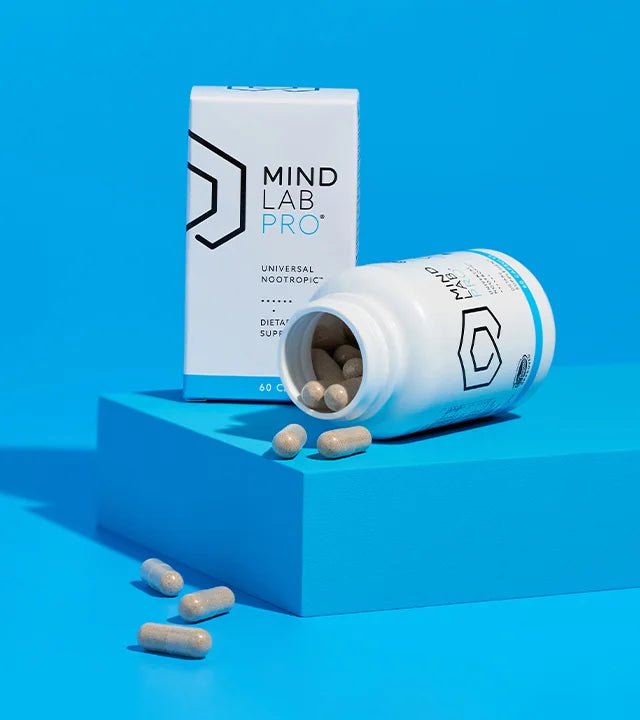
Mind Lab Pro is positioned as an industry-leading, research-backed nootropic stack designed to support whole-brain performance without caffeine or stimulants. Instead of relying on one ingredient, it combines 11 nootropics that target multiple pathways involved in brain energy, neurotransmitters, neuroprotection, circulation, brain waves and neural regeneration.
The full Mind Lab Pro formula provides: Citicoline as Cognizin® 250 mg, Phosphatidylserine from sunflower lecithin 100 mg, Bacopa monnieri full-spectrum extract standardized to 24% bacosides 150 mg, Organic Lion’s Mane Mushroom 500 mg, Rhodiola rosea standardized to 3% rosavins and 1% salidrosides 50 mg, N-Acetyl L-Tyrosine 175 mg, L-Theanine 100 mg, Maritime Pine Bark Extract standardized to 95% proanthocyanidins 75 mg, Vitamin B6 2.5 mg, Vitamin B9 100 mcg and Vitamin B12 7.5 mcg.
For anxious brain support, the most relevant ingredients include L-theanine for calm focus, Rhodiola rosea for stress resilience, Bacopa monnieri for memory and learning support, phosphatidylserine for stress-related cognitive performance, N-acetyl L-tyrosine for performance under pressure, and B vitamins for neurotransmitter and energy metabolism support.
Mind Lab Pro has also been studied as a complete formula in three studies.
- In a double-blind, placebo-controlled information-processing study, adults taking Mind Lab Pro for 30 days showed significant improvements in simple reaction time, choice reaction time and anticipation compared with placebo.(18)
- In a double-blind, placebo-controlled memory study of healthy adults, four weeks of Mind Lab Pro supplementation improved multiple areas of memory, including immediate and delayed recall, compared with placebo.(19)
- A third study using EEG brain-mapping during a perceptual decision-making task reported enhanced functional connectivity and brain-network activity after 60 days of supplementation, suggesting changes in neural mechanisms related to cognitive performance.(20)
Get all the details on Mind Lab Pro studies.
None of this means Mind Lab Pro treats anxiety disorders or panic attacks. A safer interpretation is that it may support calm, focused cognitive performance while you do the deeper work of CBT, exposure, breathwork, sleep, exercise and self compassion.
Summary
Rewiring the anxious brain is not about forcing yourself to be fearless. It is about helping the brain learn new patterns. Anxiety wires the brain through fear circuits, avoidance, stress chemistry, sensitization and habit loops. You rewire it through repeated safe experiences, emotional regulation, new skills and better recovery.
Start small. Use deep breathing to calm the body, mindfulness to return to the present moment, CBT to challenge fear predictions, exposure to build new pathways, exercise to reduce stress, good sleep to restore brain function, journaling to clarify patterns and self compassion to lower shame.
Your anxious brain may be loud right now, but it is not your whole brain. With practice and the right support, the human brain can form new neural connections that make calm, courage and flexibility easier to access.
References
- National Institute of Mental Health. Mental health medications. National Institute of Mental Health. Link
- National Institute of Mental Health. Panic disorder: What you need to know. National Institute of Mental Health. Link
- National Institute of Mental Health. Any anxiety disorder. National Institute of Mental Health. Link
- Kredlow, M. A., Fenster, R. J., Laurent, E. S., Ressler, K. J., & Phelps, E. A. (2021). Prefrontal cortex, amygdala, and threat processing. Neuropsychopharmacology, 47, 247–259. Link
- McEwen, B. S., & Morrison, J. H. (2013). The brain on stress: Vulnerability and plasticity of the prefrontal cortex over the life course. Neuron, 79(1), 16–29. Link
- Carpenter, J. K., Andrews, L. A., Witcraft, S. M., Powers, M. B., Smits, J. A. J., & Hofmann, S. G. (2018). Cognitive behavioral therapy for anxiety and related disorders: A meta-analysis of randomized placebo-controlled trials. Depression and Anxiety, 35(6), 502–514. Link
- Balban, M. Y., Neri, E., Kogon, M. M., Weed, L., Nouriani, B., Jo, B., Holl, G., Zeitzer, J. M., Spiegel, D., & Huberman, A. D. (2023). Brief structured respiration practices enhance mood and reduce physiological arousal. Cell Reports Medicine, 4(1), 100895. Link
- Williams, M., Honan, C., Skromanis, S., Sanderson, B., & Matthews, A. J. (2024). Psychological Outcomes and Mechanisms of Mindfulness-Based Training for Generalised Anxiety Disorder: A Systematic Review and Meta-Analysis. Current Psychology, 43, 5318–5340. Link
- Stonerock, G. L., Hoffman, B. M., Smith, P. J., & Blumenthal, J. A. (2015). Exercise as treatment for anxiety: Systematic review and analysis. Annals of Behavioral Medicine, 49(4), 542–556. Link
- Goldstein, A. N., & Walker, M. P. (2014). The role of sleep in emotional brain function. Annual Review of Clinical Psychology, 10, 679–708. Link
- Hidese, S., Ogawa, S., Ota, M., Ishida, I., Yasukawa, Z., Ozeki, M., & Kunugi, H. (2019). Effects of L-theanine administration on stress-related symptoms and cognitive functions in healthy adults: A randomized controlled trial. Nutrients, 11(10), 2362. Link
- Williams, J. L., Everett, J. M., D’Cunha, N. M., Sergi, D., Georgousopoulou, E. N., Keegan, R. J., McKune, A. J., Mellor, D. D., & Anstice, N. S. (2020). The effects of green tea amino acid L-theanine consumption on the ability to manage stress and anxiety levels: A systematic review. Plant Foods for Human Nutrition, 75(1), 12–23. Link
- Noah, L., Morel, V., Bertin, C., Pouteau, E., Macian, N., Dualé, C., Pereira, B., & Pickering, G. (2022). Effect of a combination of magnesium, B vitamins, rhodiola, and green tea/L-theanine on chronically stressed healthy individuals: A randomized, placebo-controlled study. Nutrients, 14(9), 1863. Link
- Calabrese, C., Gregory, W. L., Leo, M., Kraemer, D., Bone, K., & Oken, B. (2008). Effects of a standardized Bacopa monnieri extract on cognitive performance, anxiety, and depression in the elderly: A randomized, double-blind, placebo-controlled trial. The Journal of Alternative and Complementary Medicine, 14(6), 707–713. Link
- Baumeister, J., Barthel, T., Geiss, K. R., & Weiss, M. (2008). Influence of phosphatidylserine on cognitive performance and cortical activity after induced stress. Nutritional Neuroscience, 11(3), 103–110. Link
- Mahoney, C. R., Castellani, J., Kramer, F. M., Young, A., & Lieberman, H. R. (2007). Tyrosine supplementation mitigates working memory decrements during cold exposure. Physiology & Behavior, 92(4), 575–582. Link
- Mori K, Obara Y, Hirota M, et al. Nerve growth factor-inducing activity of Hericium erinaceus in 1321N1 human astrocytoma cells. Biological & Pharmaceutical Bulletin. 2008;31(9):1727-1732. Link
- Utley, A., Gonzalez, Y., & Imboden, C. A. (2023). The efficacy of a nootropic supplement on information processing in adults: A double blind, placebo controlled study. Biomedical Journal of Scientific & Technical Research, 49(1). Link
- Abbott-Imboden, C., Gonzalez, Y., & Utley, A. (2023). Efficacy of the nootropic supplement Mind Lab Pro on memory in adults: Double blind, placebo-controlled study. Human Psychopharmacology: Clinical and Experimental, 38(4), e2872. Link
- O’Reilly, D., Bolam, J., Delis, I., & Utley, A. (2025). Effect of a Plant-Based Nootropic Supplement on Perceptual Decision-Making and Brain Network Interdependencies: A Randomised, Double-Blinded, and Placebo-Controlled Study. Brain Sciences, 15(3), 226. Link