Procrastination is the habit of delaying an intended task even when you know the delay may bring negative consequences.
It can look like putting things off until the last minute, avoiding unpleasant tasks, waiting for motivation, rewriting your to do list instead of starting, choosing enjoyable activities over difficult tasks, or telling yourself you will begin when you feel ready.
It is also common. In one research review published in Psychological Reports, authors Harriott and Ferrari estimated that chronic procrastination affects roughly 20% of adults, while procrastination is especially common among college students and academic tasks.
Chronic procrastination is not harmless. Procrastination affects stress, self-esteem, academic performance, well-being, health behaviors and the ability to complete tasks on time.
If you're searching for information on procrastination, maybe you're struggling with staying on task. In this guide, we've got the answers you need. We're delving into what procrastination is and why it happens, along with lifestyle changes and supplements that may help. Let's get to it!
Key Takeaways
- Procrastination is not laziness. It is often a self-defeating behavior pattern built around short-term mood relief and long-term consequences.
- People procrastinate for emotional reasons. Fear, boredom, perfectionism, uncertainty, low reward, negative thoughts and overwhelm can all drive delay.
- The brain is involved. Procrastination reflects self-regulation, impulse control, executive function, motivation, working memory and the tug-of-war between immediate comfort and long term benefits.
- Practical systems beat willpower. Smaller tasks, clear next steps, time blocks, accountability, rewards and distraction control make it easier to stop procrastinating.
- Shame usually makes procrastination worse. Self-compassion, realistic expectations and imperfect starts help fight procrastination more effectively than self-criticism.
- Nootropics may support focus and mental energy. They are not a motivation cure, but some ingredients may support cognitive mechanisms involved in follow-through.
Disclaimer
This article is for educational purposes only and is not medical advice. Procrastination may overlap with ADHD, depression, anxiety, burnout, sleep disorders, substance use, chronic stress, executive function challenges or major functional impairment. Supplements and nootropics do not diagnose, treat, cure or prevent any disease. Talk with a qualified professional if procrastination is causing serious problems at school, work, relationships, finances, health or daily activities; if it is linked with persistent low mood, anxiety, substance use or sleep disruption; or if you are considering supplements while taking medication, managing a medical condition, pregnant or breastfeeding.
What Is Procrastination?
Procrastination is the voluntary delay of an intended action despite expecting that the delay may make life harder. It is not just poor time management. It is often a short term emotional strategy: avoid the task now, feel relief for the moment, pay for it later.
That is why procrastination can feel confusing. You may know exactly what to do. You may even care deeply about the outcome. But the task feels unpleasant, uncertain, boring, intimidating or too big, so the brain looks for relief.
In research, procrastination is often described as a self-regulation problem.
One major meta-analysis called it a “quintessential” self-regulatory failure and linked procrastination with impulsiveness, task evasion and delay, intention-action gaps and poorer performance outcomes.(1)
Did you know? Procrastination is not limited to students. Research estimates suggest that roughly one-fifth of adults struggle with chronic procrastination, while student samples often report even higher rates of academic procrastination.(2)
Why Do We Procrastinate?

People procrastinate for many reasons, but most of them come down to one point: the task creates discomfort, and delay offers immediate relief.
Unpleasant Tasks
Tasks that are boring, confusing, repetitive, emotionally loaded or difficult are easy to avoid. You may delay taxes, emails, studying, writing, cleaning, phone calls, workouts or problem solving because the first step feels unpleasant.
Fear of Failure
If a task matters, starting can feel like exposing yourself to judgment. Procrastination protects the ego in the short term: if you wait until the last minute, poor results can be blamed on time rather than ability.
Perfectionism
Perfectionism creates unrealistic expectations. If you believe the first draft, first workout, first sales call or first attempt must be excellent, beginning becomes emotionally expensive.
Decision Fatigue
When the next step is unclear, the brain has to make too many decisions before action can begin. This is why vague tasks such as “get my life together” or “work on business” often turn into delay.
Low Reward
Procrastination becomes more likely when the reward is distant and the alternative is immediate. Long term benefits lose the fight against short term comfort when the task feels unrewarding right now.
Overwhelm
When you feel overwhelmed, the task may seem larger than your ability to complete it. The mind jumps from one step to the entire mountain, and avoidance becomes tempting.
A stress-focused review explains procrastination through a time-and-mood regulation lens: people tend to procrastinate tasks that trigger negative emotions because avoidance temporarily makes them feel better in terms of mood.(3)
Procrastination and the Brain
Procrastination is not only about calendars and planners. It involves the brain systems that help you choose, start, focus, resist distractions and complete a task.
Prefrontal Cortex vs. Limbic Reward System
The prefrontal cortex helps with planning, self control, working memory, impulse control and long term thinking. The limbic reward system is more interested in what feels good or safe right now. When the task feels difficult and the phone feels rewarding, procrastination becomes the easy path. The brain chooses a short term reward over a long term benefit.
Dopamine and Motivation
Dopamine is involved in motivation, reward learning and effort. It does not simply equal pleasure. It helps the brain decide what is worth pursuing. If a task feels low reward, unclear or too delayed in payoff, motivation may drop.
Read about top supplements for dopamine and motivation.
Executive Function and Working Memory
Executive function helps you set priorities, resist distractions, manage time and shift from intention to action. Working memory helps hold instructions, goals and steps in mind. When these systems are overloaded, procrastination becomes more likely.
This is why people with ADHD traits, burnout, poor sleep or high stress may struggle with follow-through even when they care. The issue is not always self-discipline. Sometimes the brain has too much friction between intention and action.
Discover today's top dietary supplements for ADHD support.
Impulse Control
Impulse control is the ability to resist the easier, more enjoyable activity in favor of the meaningful one. Chronic procrastinators often know the better choice, but the short term pull is stronger in the moment.
Signs Procrastination Is Becoming a Problem

Occasional procrastination is normal for most people. But procrastination can become a problem if it is habitual, causing real life consequences such as:
- Missed deadlines or rushed last minute work
- More stress as the due date gets closer
- Lower grades, weaker academic performance or reduced work quality
- Unfinished projects despite strong goals
- Avoidance of important daily activities
- Low self-esteem from repeated follow-through problems
- More worry, guilt or negative emotions after delay
- Putting off health tasks, appointments, exercise or sleep
- Conflict with family, coworkers, clients or professors
Research links procrastination with stress, depression, anxiety, fatigue and lower satisfaction across several life domains.(4) A large study of Swedish university students also found that procrastination was associated with later mental health symptoms, pain, unhealthy lifestyle behaviors and worse psychosocial health, though the authors noted the effect sizes were generally small.(5)
How to Stop Procrastinating
The best way to beat procrastination is not to wait for motivation. It is to make starting easier.
Break Tasks Smaller
If the task is “write the report,” the brain may resist. If the task is “open the document and write three ugly bullet points,” beginning feels possible. Smaller tasks lower the emotional cost of action. Discover nootropics for writing.
Define the Next Action
A to do list should tell you exactly what to do next. “Work on project” is vague. “Create outline,” “email Sam,” “choose title,” or “read page one” gives the brain a clear path.
Use the 5-Minute Start
Set a timer for five minutes and give yourself permission to stop afterward. The point is not to finish. The point is to begin. Starting often reduces resistance.
Use Time Blocks
Time management skills work best when they protect action. Block 25–50 minutes for one task, remove distractions, then stop or reset. Do not spend the whole block planning the block.
Try "Pomodoro Sprints"
Pomodoro-style work is useful because it reduces the task to one short sprint. Twenty-five minutes of focus plus a short break is less intimidating than “finish everything today.”
Remove Distractions
Put your phone in another room, block websites, close extra tabs and work in a boring environment. You do not need heroic self-control if the distraction isn't in your face.
Add Accountability
Tell someone what you will complete by a specific time. Join a work sprint. Send a progress screenshot. Accountability works because it adds social clarity and urgency.
Reward Completion
Give the brain a short-term win after the task. Finish 30 minutes of writing, then take a walk. Complete an unpleasant task, then do an enjoyable activity without guilt.
For more practical nootropic-oriented productivity context, see this guide to nootropics and procrastination.
Emotional Tools for Procrastination
Procrastination is emotional. So the solution cannot be only mechanical.
Use Self-Compassion
Shame says, “I am lazy.” Self-compassion says, “I am avoiding something uncomfortable. What is the smallest useful next step?” In one study, self-forgiveness for procrastinating on a first exam was associated with less procrastination before a second exam, suggesting that reducing shame may support better follow-through.(6)
Reframe Discomfort
Discomfort is not always a stop sign. Sometimes it is the feeling of beginning. Try saying, “This is the part where my brain wants relief. I can still take one step.”
Tolerate Imperfect Starts
Perfectionism turns starting into a performance. Give yourself permission to produce a bad draft, a short workout, a rough outline or an incomplete first pass.
Separate Mood From Action
You do not need to feel ready to begin. You can act while bored, anxious, tired or uncertain. Motivation often follows movement.
Productivity Systems That Help

Systems work because they reduce the number of decisions between intention and action.
Priority Lists
Pick one priority for the day. Not ten. One. Then choose the next visible step. This helps fight procrastination by reducing choice overload.
Implementation Intentions
Implementation intentions use an if-then plan: “If it is 9:00 a.m., then I open the document and write for 25 minutes.” In a three-week study of undergraduates, goal exercises and implementation-intention strategies were tested as ways to reduce academic procrastination.(7)
Task Batching
Group similar tasks together: email, admin, calls, errands, writing, planning. Batching lowers the cost of switching.
Environment Design
Create a workspace where the intended task is obvious and distractions are inconvenient. Put the book on the desk. Open the document. Hide the phone. Preload the right tab.
Friction Reduction
Make the good action easier and the delay action harder. Sleep in workout clothes. Keep healthy food visible. Use app blockers. Put your notebook where you drink coffee.
Visible Progress
Track completed work, not just unfinished work. Checkmarks, streaks, word counts and completed sessions give the brain evidence that action is happening.
Lifestyle Factors That Affect Procrastination
Sleep
Poor sleep weakens attention, working memory and impulse control. A review of sleep deprivation found that attention, reaction time and working memory are especially vulnerable to inadequate sleep.(8)
Discover today's top ultramodern sleep supplements.
Exercise
Exercise can support mood, stress resilience and cognitive functioning. It also gives the body a way to discharge tension instead of converting stress into avoidance.
Morning Light
Morning light helps anchor circadian rhythm, which supports daytime energy and nighttime sleep. More stable energy makes it easier to complete tasks before stress builds.
Nutrition and Hydration
The brain needs steady fuel. Skipping meals, dehydration and sugar crashes can make focus and self control harder.
Caffeine Timing
Caffeine can help short term alertness, but too much or too late can increase anxiety and harm sleep. Use it strategically, not as a substitute for recovery. A high-quality caffeine pill can give you greater control over dosage and effects.
Performance Lab® Caffeine 2
Smooth energy. Clarity. Focus. No jitters. No burnout. No crash.
Shop Now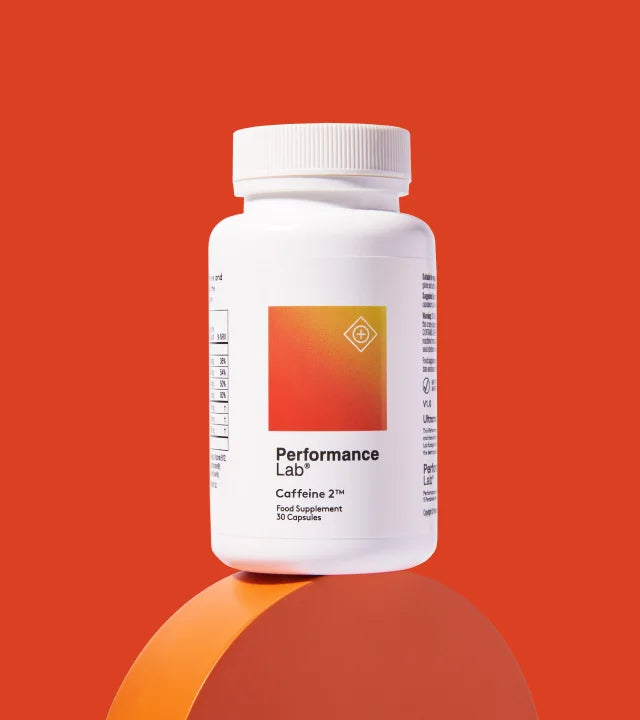
Stress Management
Stress and procrastination can reinforce each other. More stress makes tasks feel aversive; delay creates more stress. Short walks, breathing, journaling and planning rituals can help break the loop. Herbal adaptogens are a class of dietary supplements that help the body regulate stress more effectively. Check out our list of adaptogens.
Nootropics for Focus, Motivation and Follow-Through
Nootropics are supplements used to support cognitive performance. For procrastination, the responsible goal is not “instant motivation.” It is support for focus, mental energy, stress resilience, working memory and cognitive performance.
For a broader foundation, see what nootropics are, the benefits of nootropics, this list of nootropics, and a practical guide to nootropics that actually work.
There are no nootropics with science-backed benefits for procrastination. However, many have brain-boosting effects that could offer indirect support with tangible benefits when it comes to starting a task and taking care of business. Some individual nutrients that may help with overcoming procrastination:
Citicoline

Citicoline is a choline-related compound involved in supporting brain structure, brain cell energy, and acetylcholine-related brain processes. In a randomized study, adolescent males taking citicoline showed improvements in attention and psychomotor speed compared with placebo, suggesting potential support for attention-speed performance in that population.(9)
Read more: Citicoline
N-Acetyl L-Tyrosine

Tyrosine is an amino acid used to make catecholamine neurotransmitters involved in alertness and effort under stress. In a double-blind, placebo-controlled study, tyrosine helped reduce working-memory problems during cold exposure, suggesting support for cognitive performance when stress is high.(10)
Read more: N-Acetyl L-Tyrosine
Rhodiola Rosea

Rhodiola rosea is an adaptogen used for fatigue, stress resilience and mental performance under pressure. In a randomized, placebo-controlled study of people with stress-related fatigue, rhodiola improved attention measures and reduced fatigue-related symptoms compared with placebo.(11)
Read more: Rhodiola Rosea
L-Theanine

L-theanine is an amino acid naturally found in tea. In a randomized controlled trial, healthy adults taking L-theanine for four weeks showed improvements in stress-related symptoms and cognitive function measures, suggesting support for calm focus rather than stimulation.(12)
Read more: L-Theanine
Phosphatidylserine (PS)

Phosphatidylserine is a phospholipid found in brain cell membranes. In a double-blind study, phosphatidylserine supplementation was associated with EEG changes connected to a more relaxed state after induced mental stress, suggesting possible support for calm cognitive performance under pressure.(13)
Read more: Phosphatidylserine
B Vitamins

Vitamins B6, B9 and B12 support energy metabolism, methylation and neurotransmitter-related processes. A systematic review found that B vitamins can lower homocysteine and may affect brain atrophy in some groups, though cognitive outcomes are mixed and depend on baseline status and population.(14)
Read more: Vitamin B6, Vitamin B9, and Vitamin B12
Caffeine

There is some debate over whether caffeine is a nootropic. Although it does not directly “cure” procrastination, it is commonly used as a tool to help with the low-energy, low-alertness state that often makes starting work harder. A review of caffeine research found that low to moderate doses, roughly 40 to 300 mg, can improve alertness, vigilance, attention, and reaction time.(15) That makes caffeine most useful as a short-term activation tool: it may help you start, focus, and push through simple tasks, especially when fatigue is part of the problem.
Read about today's top Caffeine + L-Theanine stack for calm focus.
FAQ
Is procrastination laziness?
Usually, no. Procrastination is more often a self-regulation problem involving avoidance, negative emotions, unclear tasks, low reward, fear, perfectionism or weak impulse control.
Why do I procrastinate even when I care?
Caring about the outcome does not make the task emotionally easy. If the task feels unpleasant, uncertain or overwhelming, your brain may choose short term relief even when the long-term benefits matter.
How do I stop procrastinating right now?
Pick one task, define the smallest next action, set a timer for five minutes, remove one distraction and begin before you feel ready. Starting is the goal.
Is procrastination linked with ADHD?
It can be. ADHD may affect executive function, working memory, attention, time management and impulse control. If procrastination is severe or lifelong, professional evaluation may help.
Does perfectionism cause procrastination?
Perfectionism can contribute. When expectations are unrealistic, starting feels risky because the first attempt may not match the ideal. Imperfect starts are often the antidote.
Can supplements help with procrastination?
Supplements may support focus, mental energy, stress resilience or cognitive performance, but they do not replace systems, sleep, emotional regulation or professional help when needed.
When is procrastination a serious problem?
It may be serious if it repeatedly harms work, school, finances, health, relationships or self esteem, or if it is tied to depression, anxiety, substance use, sleep problems or major daily impairment.
Mind Lab Pro for Focus, Mental Energy and Follow-Through

Overcoming procrastination starts with behavior: smaller tasks, clearer priorities, better systems, emotional regulation and consistent practice. But many people also want cognitive support for the mechanisms that make follow-through easier: focus, mental energy, stress resilience, working memory and executive function.
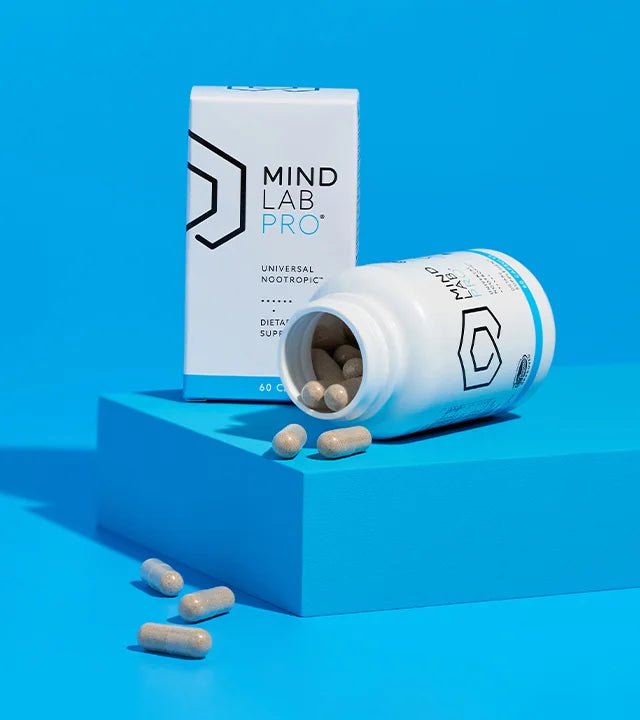
Mind Lab Pro is positioned as a leading research-backed nootropic stack for broad cognitive support. Instead of depending on one ingredient, it combines 11 nootropics designed to support multiple pathways involved in brain performance.
The full MLP formula: Citicoline as Cognizin® 250 mg, Phosphatidylserine from sunflower lecithin 100 mg, Bacopa monnieri full-spectrum extract standardized to 24% bacosides 150 mg, Organic Lion’s Mane Mushroom 500 mg, Rhodiola rosea standardized to 3% rosavins and 1% salidrosides 50 mg, N-Acetyl L-Tyrosine 175 mg, L-Theanine 100 mg, Maritime Pine Bark Extract standardized to 95% proanthocyanidins 75 mg, Vitamin B6 2.5 mg, Vitamin B9 100 mcg and Vitamin B12 7.5 mcg.
For procrastination support, the most relevant ingredients include Citicoline for attention and cognitive performance, N-Acetyl L-Tyrosine for stress-related mental performance, Rhodiola rosea for fatigue resistance and stress resilience, L-Theanine for calm focus, Phosphatidylserine for stress-related cognitive performance, and B vitamins for energy and neurotransmitter metabolism.
Mind Lab Pro has been studied as a complete formula in three human trials.
- In a double-blind, placebo-controlled information-processing study, adults taking Mind Lab Pro for 30 days improved simple reaction time, choice reaction time and anticipation compared with placebo, suggesting support for the kind of mental speed and decision-making involved in starting and executing tasks.(16)
- In a double-blind, placebo-controlled memory study, adults taking Mind Lab Pro for four weeks improved several memory domains, including immediate and delayed recall, compared with placebo.(17)
- In a 2025 EEG study, Mind Lab Pro was associated with changes in perceptual decision-making and functional brain connectivity after 60 days, suggesting effects on brain-network activity during cognitive performance tasks.(18)
Mind Lab Pro may support the cognitive foundations that make productivity systems easier to use: focus, clarity, mental energy, stress resilience and follow-through.
Summary
Procrastination is not a character flaw. It is often a self-regulation loop: a task creates discomfort, delay gives short term relief, and the consequences create more stress later.
To overcome procrastination, stop waiting for the perfect mood. Make the task smaller. Define the next action. Use a five-minute start. Remove distractions. Build time blocks. Reward completion. Use self-compassion instead of shame. Protect sleep, energy and stress resilience.
The goal is not to become a machine. It is to make beginning easier, reduce friction and create new habits that help you complete tasks with less stress and more consistency.
References
- Steel, P. (2007). The nature of procrastination: A meta-analytic and theoretical review of quintessential self-regulatory failure. Psychological Bulletin, 133(1), 65–94. Link
- Svartdal, F., & Steel, P. (2017). Irrational delay revisited: Examining five procrastination scales in a global sample. Frontiers in Psychology, 8, 1927. Link
- Sirois, F. M. (2023). Procrastination and stress: A conceptual review of why context matters. International Journal of Environmental Research and Public Health, 20(6), 5031. Link
- Beutel, M. E., Klein, E. M., Aufenanger, S., Brähler, E., Dreier, M., Müller, K. W., Quiring, O., Reinecke, L., Schmutzer, G., Stark, B., & Wölfling, K. (2016). Procrastination, distress and life satisfaction across the age range: A German representative community study. PLoS ONE, 11(2), e0148054. Link
- Johansson, F., Rozental, A., Edlund, K., Côté, P., Sundberg, T., Jakobsson, C., et al. (2023). Associations between procrastination and subsequent health outcomes among university students in Sweden. JAMA Network Open, 6(1), e2249346. Link
- Wohl, M. J. A., Pychyl, T. A., & Bennett, S. H. (2010). I forgive myself, now I can study: How self-forgiveness for procrastinating can reduce future procrastination. Personality and Individual Differences, 48(7), 803–808. Link
- Gustavson, D. E., Miyake, A., Hewitt, J. K., & Friedman, N. P. (2017). Academic procrastination and goal accomplishment: A combined experimental and individual differences investigation. Learning and Individual Differences, 54, 160–172. Link
- Alhola, P., & Polo-Kantola, P. (2007). Sleep deprivation: Impact on cognitive performance. Neuropsychiatric Disease and Treatment, 3(5), 553–567. Link
- McGlade, E., Agoston, A. M., DiMuzio, J., Kizaki, M., Nakazaki, E., Kamiya, T., Yurgelun-Todd, D., & Cohen, B. M. (2019). The effect of citicoline supplementation on motor speed and attention in adolescent males. Journal of Attention Disorders, 23(2), 121–134. Link
- Mahoney, C. R., Castellani, J., Kramer, F. M., Young, A., & Lieberman, H. R. (2007). Tyrosine supplementation mitigates working memory decrements during cold exposure. Physiology & Behavior, 92(4), 575–582. Link
- Olsson, E. M. G., von Schéele, B., & Panossian, A. G. (2009). A randomized, double-blind, placebo-controlled, parallel-group study of the standardized extract SHR-5 of the roots of Rhodiola rosea in subjects with stress-related fatigue. Planta Medica, 75(2), 105–112. Link
- Hidese, S., Ogawa, S., Ota, M., Ishida, I., Yasukawa, Z., Ozeki, M., & Kunugi, H. (2019). Effects of L-theanine administration on stress-related symptoms and cognitive functions in healthy adults: A randomized controlled trial. Nutrients, 11(10), 2362. Link
- Baumeister, J., Barthel, T., Geiss, K. R., & Weiss, M. (2008). Influence of phosphatidylserine on cognitive performance and cortical activity after induced stress. Nutritional Neuroscience, 11(3), 103–110. Link
- Wang, Z., Zhu, W., Xing, Y., Jia, J., & Tang, Y. (2022). B vitamins and prevention of cognitive decline and incident dementia: A systematic review and meta-analysis. Nutrition Reviews, 80(4), 931–949. Link
- McLellan TM, Caldwell JA, Lieberman HR. A review of caffeine’s effects on cognitive, physical and occupational performance. Neuroscience & Biobehavioral Reviews. 2016;71:294-312. Link
- Utley, A., Gonzalez, Y., & Abbott Imboden, C. (2023). The efficacy of a nootropic supplement on information processing in adults: A double blind, placebo controlled study. Biomedical Journal of Scientific & Technical Research, 49(1), 40297–40305. Link
- Abbott-Imboden, C., Gonzalez, Y., & Utley, A. (2023). Efficacy of the nootropic supplement Mind Lab Pro on memory in adults: Double blind, placebo-controlled study. Human Psychopharmacology: Clinical and Experimental, 38(4), e2872. Link
- O’Reilly, D., Bolam, K., Delis, I., & Utley, A. (2025). Effect of a plant-based nootropic supplement on perceptual decision-making and functional brain connectivity. Nutrients, 17(5), 817. Link