
A well-planned plant-based diet has the potential to drastically improve a person’s health and wellbeing. With so many health benefits linked to cutting out animal-derived foods, it’s no wonder that plant-based is often thought of as the optimal diet.
Health-conscious consumers seem to be catching on: Virginia Tech analysis found that the share of Americans reporting a plant-rich dietary pattern more than doubled, rising from 12.1% to 25.8% by 2019–2022, even though only about 4.6% reported following vegetarian or vegan diets. Strict veganism remains less common: Gallup reported in 2023 that 4% of U.S. adults identify as vegetarian and 1% identify as vegan.
As healthy as they can potentially be, poorly planned plant-based diets may create some concerns, including for brain health. Some of the most common symptoms of a sub-optimal plant-based diet include mental fog and other neurological issues, such as insomnia and anxiety.
Even in the strictest vegan diets, brain fog can often be resolved through some simple nutritional hacks, such as adding certain vegan-friendly foods and incorporating supplements. This article provides a blueprint for busting brain fog and even enhancing cognition while following a plant-based diet. Let’s get to it!
Key Takeaways
- Veganism itself does not automatically cause brain fog; a strategic plant-based diet can support brain health and mental sharpness.
- Vegan brain fog may occur when a plant-based diet is low in key brain-supportive nutrients such as vitamin B12, omega-3 fats, iron, iodine, zinc, choline, protein, or total calories.
- A plant-based diet for brain health should include steady energy from slow carbohydrates, enough protein for neurotransmitter support, and healthy fats for brain cell membranes and long-term cognitive resilience.
- Helpful brain-supportive plant foods include oats, quinoa, sweet potatoes, lentils, beans, berries, tofu, tempeh, edamame, walnuts, chia seeds, ground flaxseed, hemp seeds, avocado, olive oil, and algae-based DHA/EPA.
- Vitamin B12 is especially crucial for vegans because it supports nerve function, red blood cell formation, methylation, and brain energy, but reliable vegan sources are mostly fortified foods and supplements.
- Other nutrients to prioritize for vegan brain fog include omega-3 fats, iron, zinc, iodine, choline, magnesium, and colorful polyphenol-rich plant foods.
- Supplements that may help support vegan brain fog include vitamin B12, omega-3 fats, rhodiola rosea, citicoline, and N-acetyl L-tyrosine.
- The goal is not necessarily to abandon veganism, but to build a more complete plant-based diet with fortified foods, strategic supplementation, and enough energy, protein, and healthy fats to support cognition.
Disclaimer
This article is for educational purposes only and is not medical advice. Brain fog, fatigue, anxiety, insomnia, poor memory, or difficulty concentrating may have many possible causes, including nutrient deficiencies, low calorie intake, stress, poor sleep, medication effects, thyroid issues, anemia, blood sugar problems, or other medical conditions. A plant-based diet and dietary supplements should not be used to diagnose, treat, cure, or prevent any disease. If you follow a vegan or vegetarian diet, take medication, have a medical condition, are pregnant or breastfeeding, or experience persistent or worsening brain fog, consult a qualified healthcare professional before changing your diet or using supplements.
What is Brain Fog?

First off, let’s talk about brain fog, what it is, and what symptoms to look out for.
It takes a lot of energy to fuel the daily processes in your brain, so when you fail to adequately fuel your brain with the right amount of nutrients, it can wreak neurological havoc. Some symptoms of brain fog include:
- Confusion
- Poor memory
- Difficulty learning and retaining information
- Fuzzy and discombobulated thoughts and conversations
This can lead to further issues, such as stress, insomnia, and poor work or academic performance.
While this may seem alarming at first, it’s important to remember that this is simply your brain’s way of alerting you that there are some imbalances with your nutritional intake or lifestyle factors.
Note: Are you considering combining intermittent fasting with your plant-based diet? You may have to fight brain fog on two fronts. Brain-boosting nootropics and lifestyle strategies can help keep you in the clear.
Read more: Fasting-Related Brain Fog (and how to address it).
Can Veganism Cause Brain Fog?
Veganism itself does not automatically cause brain fog. However, consuming a plant-based diet involves cutting out animal-based products, such as meat and dairy. This may cause vegans to miss out on key brain-healthy nutrients found in animal products, including:
- Vitamin B12
- Iron
- Iodine
- Zinc
- Vitamin D
- DHA/EPA omega-3s
- Choline
- Protein
- Total calories
The solution is not necessarily abandoning veganism, but building a more complete plant-based diet with fortified foods, smart supplementation, and enough energy, protein, and healthy fats to support your brain.
Plant-Based Diets for Brain Health

A plant-based diet for brain health should do more than simply avoid animal foods. To help clear vegan brain fog and support cognition, it needs to provide three major things: steady energy, enough protein, and healthy fats.
These categories help supply the brain with fuel, neurotransmitter building blocks, cell membrane support, circulation support, and other key brain nutrients that may be harder to get from a poorly planned vegan diet.
Energy: Slow Carbohydrates for Steady Brain Fuel
The brain uses a large amount of energy, so low-calorie or poorly balanced plant-based foods can sometimes lead to fatigue, poor focus, and brain fog.
Slow-digesting carbohydrates from whole plant foods help provide steady glucose for the brain, while fiber helps smooth out blood sugar swings that can leave you feeling sharp one hour and foggy the next.
- Quinoa: Quinoa supplies complex carbohydrates plus more protein than many grains, making it a useful plant-based staple for balanced brain fuel.
- Sweet potatoes: Slow carbohydrates, potassium, vitamin C, and carotenoid antioxidants to support energy, electrolyte balance, and cell protection.
- Oats: Oats provide slow-digesting carbohydrates, fiber, magnesium, and B vitamins that may help support steady morning energy and mental focus.
- Lentils: Provide carbohydrates, fiber, protein, iron, folate, and magnesium; a good combo for energy, blood sugar balance, and brain health.
- Beans: Black beans, kidney beans, and chickpeas offer steady carbohydrates, fiber, minerals, and plant protein, helping reduce energy crashes.
- Berries: Blueberries, strawberries, and raspberries provide natural carbohydrates plus antioxidants that protect vascular health and the brain.
- Bananas: Quick carbohydrate energy, potassium, and vitamin B6, making them useful when vegan brain fog is related to under-eating or low energy.
- Brown rice: A simple, easy-to-digest source of slow carbohydrates that can help anchor meals and support steady fuel during the day.
Protein: Amino Acids for Neurotransmitters and Mental Clarity
Protein is one of the most important categories for vegans dealing with brain fog. Amino acids from protein help the body make neurotransmitters involved in attention, motivation, mood, and mental clarity. Some vegan-friendly protein sources to consider:
- Tofu: Versatile soy protein that supplies complete plant protein, iron, calcium if fortified, and choline-like phospholipid support for brain health.
- Tempeh: Tempeh provides dense plant protein, fiber, minerals, and fermented-food benefits; useful for sustained energy and satiety.
- Edamame: Complete plant protein, fiber, folate, iron, magnesium, and isoflavones, supporting both brain nutrition and steady blood sugar.
- Lentils: Lentils are excellent for vegan brain fog because they combine plant protein with iron, folate, magnesium, and slow-digesting carbohydrates.
- Chickpeas: Chickpeas provide protein, fiber, iron, zinc, and complex carbs; useful for focus-friendly meals like hummus bowls or chickpea salads.
- Black beans: Black beans supply protein, fiber, magnesium, folate, and polyphenols, supporting energy metabolism and long-lasting fullness.
- Seitan: Seitan is a high-protein wheat-based food that can help vegans increase protein intake, though it is not gluten-free.
- Hemp seeds: Provide plant protein, magnesium, zinc, and healthy fats; an easy brain-supportive add-on for oatmeal, smoothies, and salads.
- Pumpkin seeds: Pumpkin seeds are rich in protein, zinc, magnesium, and iron; helps neurotransmitter activity, nervous system function, and energy.
- Pea protein: Can help close protein gaps for vegans who struggle to get enough protein from meals alone, especially at breakfast or after exercise.
Healthy Fats: Brain Cell Membranes and Mental Resilience
The brain is rich in fat, and healthy fats help support brain cell membranes, signaling, hormone balance, and long-term cognitive health.
This category is especially important for vegans because DHA and EPA omega-3s are mostly found in marine foods. Plant foods can supply ALA omega-3, but conversion to DHA and EPA is limited, so vegan Omega-3 supplements may be worth considering.
- Walnuts: Walnuts provide ALA omega-3, polyphenols, and healthy fats that support brain cell membrane health and antioxidant protection.
- Chia seeds: Chia seeds are rich in ALA omega-3, fiber, minerals, and slow-release energy, making them useful for smoothies, oatmeal, or chia pudding.
- Ground flaxseed: Ground flaxseed supplies ALA omega-3, lignans, and fiber; grinding is important because whole flaxseeds are harder to digest.
- Hemp seeds: Hemp seeds provide a balanced mix of protein, healthy fats, magnesium, and zinc.
- Algae: A direct vegan source of DHA and EPA omega-3s, helping support brain cell membranes, mood, and long-range brain health.
- Avocado: Avocado supplies monounsaturated fats, potassium, fiber, and carotenoids, helping support satiety, circulation, and steady energy.
- Olive oil: Extra virgin olive oil provides monounsaturated fats and polyphenols that support vascular health and inflammation balance.
- Tahini: Tahini, made from sesame seeds, provides healthy fats, minerals, and some protein, making it useful in dressings, sauces, and bowls.
Micronutrients & Antioxidants: Leafy Greens for Brain Protection
Green leafy vegetables are not major sources of calories, protein, or healthy fats, but they are some of the most important plant foods for brain health. Leafy greens provide folate, magnesium, vitamin K, carotenoids, nitrates, vitamin C, iron, and polyphenols that may help support circulation, antioxidant defense, inflammation balance, methylation, and long-term cognitive function. Some foods rich in these nutrients include:
- Spinach: Provides folate, magnesium, iron, vitamin K, vitamin C, and carotenoids; helps brain energy, antioxidant defense, and nervous system.
- Kale: Rich in vitamin K, vitamin C, carotenoids, folate, and polyphenols for antioxidant protection, vascular health, and healthy brain aging.
- Arugula: Provides nitrates, vitamin K, folate, and antioxidants that may help support circulation and oxygen delivery, both important for clear thinking.
- Collard greens: Supply vitamin K, folate, calcium, magnesium, and carotenoids for brain cell protection and overall wellness.
- Swiss chard: Swiss chard provides magnesium, potassium, vitamin K, iron, and antioxidants for nerve function and brain resilience.
A plant-based diet can support brain health, but it should be strategically planned to compensate for nutrients found in animal products. For vegans dealing with brain fog, the foundation should be steady energy from slow carbohydrates, enough protein for neurotransmitter support, and healthy fats — especially omega-3 support — for brain cell membranes and long-term cognitive resilience.
Did you know? Research on brain-healthy dietary patterns supports this plant-forward approach: the MIND diet, which emphasizes leafy greens, other vegetables, berries, beans, whole grains, nuts, and olive oil while limiting red meat, butter, cheese, pastries, sweets, and fried foods, has been associated with slower cognitive decline and lower Alzheimer’s disease risk.(1,2)
Key Nutrients Vegans May Need for Brain Health
A vegan diet can support excellent brain health, but several nutrients require extra attention because they are harder to obtain from plant foods and sometimes are less efficiently absorbed. When these nutrients run low, some people may experience low mental energy, poor focus, mood changes, fatigue, or brain fog.
Some specific nutrients vegans may wish to pay special attention to include:
Vitamin B12
Vitamin B12 is one of the most important nutrients for vegans because the best sources are animal foods. B12 supports nerve function, red blood cell formation, and healthy brain cell communication. Low B12 status may contribute to mood changes, memory problems, fatigue, and brain fog. Because fortified foods may not be enough for everyone, a B12 supplement is generally considered essential for people following a fully vegan diet.(3)
Iron
Iron supports oxygen transport, mitochondrial energy, neurotransmitter activity, and mental stamina. Low iron status may contribute to fatigue, low motivation, poor concentration, and reduced cognitive performance. Iron supplements can help when bloodwork confirms low iron or ferritin, but they should be used carefully because too much iron can be harmful.(4)
Iodine
Iodine is needed to make thyroid hormones, which regulate metabolism, energy, mood, and brain development. Vegans may fall short because seafood, dairy, and eggs are common iodine sources. Plus, plant foods vary widely depending on soil iodine content. Low iodine intake may affect thyroid function, which can show up as fatigue, sluggish thinking, low mood, cold intolerance, or brain fog. Iodized salt or a carefully dosed iodine supplement may help.(5)
Zinc
Zinc supports neurotransmitter activity, immune function, antioxidant defense, and normal nervous system function. Vegan diets can include zinc-rich foods such as pumpkin seeds, hemp seeds, legumes, nuts, and whole grains. Here's the catch: phytates in plant foods can reduce zinc absorption. Low zinc status may disrupt mood, attention, immune system function, wound healing, and overall brain function.(6)
Vitamin D
Vitamin D supports immune balance, inflammation regulation, mood, muscle function, and brain and nervous system health. Vegans may fall short because many natural food sources of vitamin D are animal-derived. Your body can synthesize Vitamin D when sunlight hits your skin, but sun exposure can be inconsistent. Low vitamin D status has been associated with mood and cognitive concerns. Vegan vitamin D2 or vegan lichen-derived vitamin D3 can help maintain healthy vitamin D levels, especially during winter or when sun exposure is limited.(7)
DHA/EPA Omega-3s
DHA and EPA are long-chain omega-3 fats that help support brain cell membranes, cell signaling, mood, circulation, and cognitive health. Vegan diets usually provide ALA omega-3 from flaxseed, chia seeds, hemp seeds, and walnuts, but conversion from ALA into DHA and EPA is limited. This makes direct DHA/EPA support especially important for some vegans. Algae-based omega-3 supplements (like the industry-leading Omega-3 from Performance Lab®) provide a vegan source of DHA and EPA.(8)

Choline
Choline is used to make acetylcholine, a neurotransmitter involved in memory, attention, learning, and muscle control. It also supports phospholipids that help build healthy brain cell membranes. Eggs are one of the richest choline sources, so vegans may need to be more intentional with soy foods, beans, quinoa, cruciferous vegetables, nuts, seeds, and possible supplementation. Choline supplements may help fill intake gaps.(9)
Read more: Choline-Rich food list.
Protein
Protein provides amino acids that the brain uses to make neurotransmitters and other signaling molecules involved in focus, mood, motivation, and mental clarity. Vegans can meet protein needs, but intake may still fall short. Protein powders or amino-acid-complete plant proteins can help close gaps, especially at breakfast, after exercise, or during busy periods when meals are inconsistent.(10)
Consider a Good Multivitamin, too.
Even with a well-planned plant-based diet, vegans may have a harder time consistently getting enough of certain brain-supportive nutrients, including vitamin B12, vitamin D, iodine, zinc, iron, and choline. A high-quality, vegan-friendly multivitamin can help cover these nutritional gaps and provide a daily safety net for energy, mood, nervous system function, and mental clarity.
A multivitamin should not replace a nutrient-dense diet. But it can make plant-based nutrition more reliable — especially for busy people, picky eaters, athletes, older adults, or anyone dealing with vegan brain fog.
Performance Lab® NutriGenesis Multi
The world's most advanced multivitamin formula.
Shop Now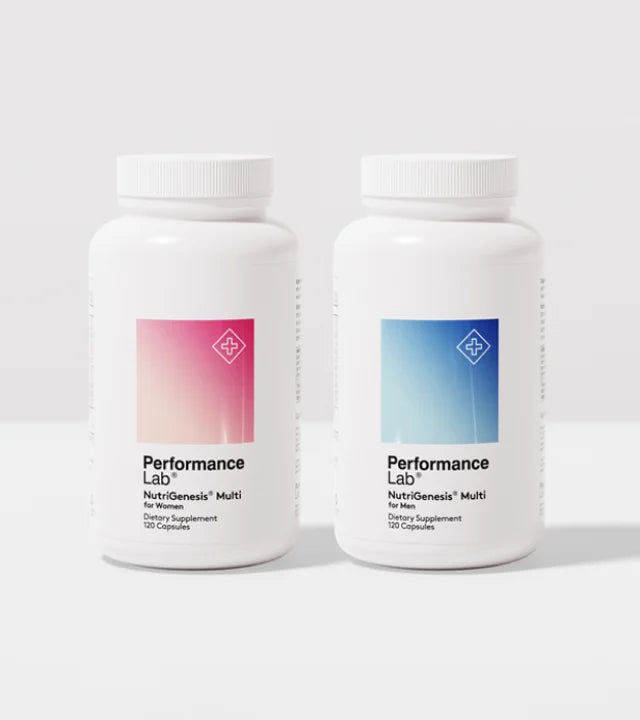
Nootropics for Brain Fog
In addition to restoring nutrients that may be missing from a vegan diet, nootropic supplements may separately help with brain fog issues.
Once the foundations are covered, nootropics may offer extra support for mental clarity by targeting stress resistance, brain energy, neurotransmitter activity, memory, and cognitive performance. Here are some to consider:
Rhodiola Rosea

Rhodiola rosea is an adaptogen herb traditionally used to support stress resilience and mental stamina. For vegans struggling with brain fog related to burnout, low motivation, or stress overload, rhodiola may help support sharp attention while strengthening resistance to fatigue.
Study: In a randomized, double-blind, placebo-controlled trial, adults with stress-related fatigue who took a standardized Rhodiola rosea extract showed improvements in fatigue-related symptoms compared with placebo, suggesting potential support for mental energy and stress management.(11)
Citicoline (CDP-Choline, Cognizin®)

Citicoline, also known as CDP-choline, is a supplemental choline source that supports acetylcholine, brain cell membranes, and mental energy. Because vegan diets may be lower in choline-rich foods such as eggs, citicoline may be especially useful for vegans who feel unfocused, mentally flat, or foggy.
Study: In a randomized, double-blind, placebo-controlled study of healthy adult women, Cognizin® citicoline improved attention performance, supporting its role as a practical nootropic for focus and cognitive performance.(12)
N-Acetyl L-Tyrosine

N-acetyl L-tyrosine is a supplemental form of tyrosine, an amino acid used to make brain chemicals like dopamine and norepinephrine. For vegans, it may be relevant when brain fog is linked to stress, demanding work, low mental drive, or inconsistent protein intake, since amino acids help supply the raw materials for neurotransmitter activity.
Study: In a study using a multitasking environment, tyrosine helped sustain working memory when competing task demands degraded performance, suggesting potential support for mental performance under stress.(13)
B-Vitamins

B vitamins, especially B12, B6, and folate (B9), support methylation, homocysteine balance, neurotransmitter synthesis, nerve function, and cellular energy. Vegans should pay special attention to B12 because reliable sources are fortified foods and supplements, not ordinary plant foods. When B-vitamin status is low, mental fatigue, poor focus, mood changes, and brain fog may become more likely.
Study: A big review on homocysteine, B vitamins, and cognition reported that B-vitamin status is closely tied to homocysteine regulation (high homocysteine disrupts blood flow to the brain) and cognitive health, especially in aging and cognitive impairment research.(14)
Read more: Vitamin B12 for Burnout
Phosphatidylserine (PS)

Phosphatidylserine is a phospholipid found in brain cell membranes, where it helps support cell signaling, memory, attention, and healthy communication between neurons. For vegans with brain fog, phosphatidylserine may offer extra support for memory and focus, especially when mental clarity feels dull or recall feels slower than usual.
Study summary: A review of phosphatidylserine and the human brain described its role in supporting cognitive functions including short-term memory, long-term memory consolidation, new memory formation, learning, recall, attention, and communication.(15)
Read more: Phosphatidylserine (PS) as a nootropic.
Frequently Asked Questions
Can lack of protein cause brain fog?
Usually, vegan brain fog is not mainly caused by low protein alone. On this page, the bigger concern is missing key brain-supportive nutrients that are commonly lower in poorly planned plant-based diets, especially vitamin B12, omega-3 fats, choline, and iron. You can absolutely get enough protein on a plant-based diet, but you still need to make sure your diet covers the nutrients that directly support neurotransmitters, nerve health, and mental clarity.
Can being vegan cause brain fog?
A vegan diet does not automatically cause brain fog, but a poorly planned one can. When animal foods are removed, it becomes easier to fall short on nutrients that support brain function, which may lead to symptoms like confusion, poor memory, and trouble concentrating. In many cases, vegan brain fog can be improved by correcting diet gaps and using supplements where needed.
Do vegans need vitamin B12 for brain health?
Yes, vitamin B12 is one of the most important nutrients for plant-based eaters to pay attention to because it is found mostly in animal-based foods. B12 supports nerve cell communication and overall brain function, so low intake can be a real concern for both vegans and vegetarians. If you want a deeper look at how B12 supports cognition, mood, and energy, read our full guide here: Vitamin B12.
Are animal products essential for brain development and mental sharpness?
No, animal products are not strictly essential for brain development or mental sharpness if a plant-based diet is planned properly. What matters most is getting the right nutrients your brain needs, whether that comes from food, fortified foods, or supplements. A vegan diet can support brain health, but it requires more attention to nutrients like B12, omega-3 fats, iron, and choline, since these can be harder to obtain or absorb optimally without animal foods.
Does being vegetarian or vegan affect your brain?
It can affect your brain if your diet consistently falls short on nutrients involved in neurotransmitter production, nerve signaling, and mental energy. That does not mean a vegetarian or vegan diet is bad for the brain. It simply means that brain health on a plant-based diet depends on planning. If nutrient intake is adequate, many people do very well. If it is not, issues like brain fog, low mood, and poor concentration may show up.
What are the best supplements for vegan brain fog?
Based on this page, some of the top supplements to consider are vitamin B12, omega-3 fats, rhodiola rosea, citicoline, and N-acetyl L-tyrosine. These ingredients can help support mental energy, stress resilience, neurotransmitter function, and cognitive clarity. If you want broader support for stress-related fogginess too, you can also read: Nootropics for brain fog.
Are brain supplements vegan-friendly?
Some are, and some are not. Vegan-friendly brain supplements usually avoid animal-derived capsule materials and use plant-based or fermentation-derived ingredients where possible. If you follow a plant-based diet, it is worth checking both the active ingredients and the capsule source, especially for nutrients like omega-3s and B12, where vegan sourcing can vary.
How does stress affect dopamine and brain fog?
Stress can deplete important neurotransmitters involved in clear thinking and mental drive, including dopamine and norepinephrine. That is one reason brain fog often gets worse during stressful periods. On this page, N-acetyl L-tyrosine is highlighted because it helps support the production of these neurotransmitters, which may help the brain keep up with the demands of stress. Discover more nootropics for helping with stress.
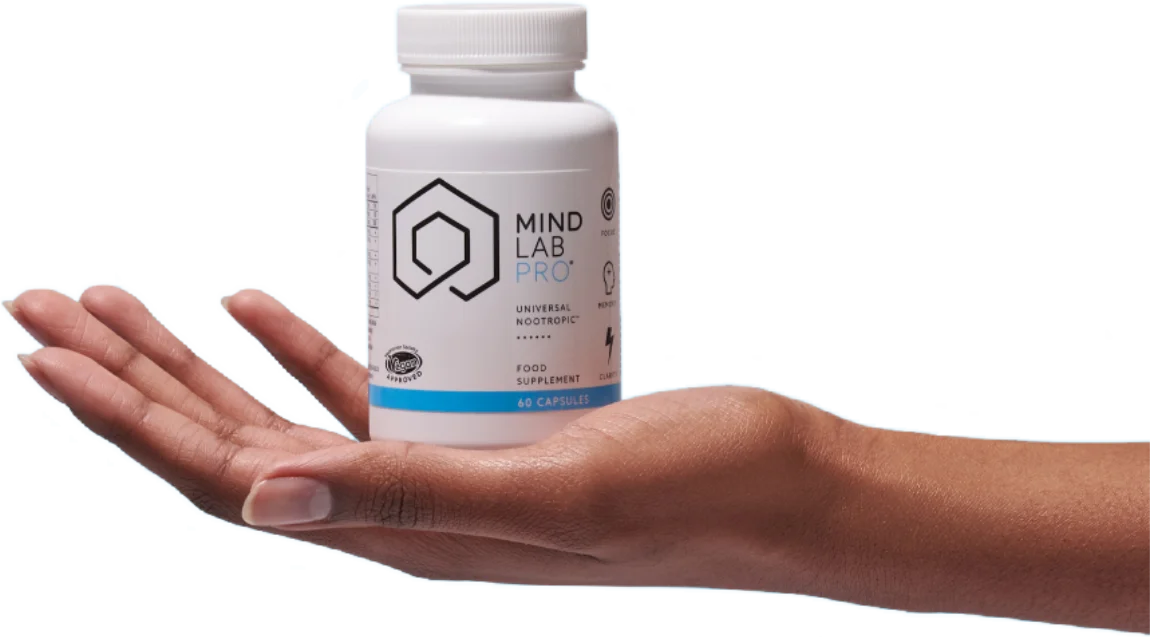
Top Vegan-Friendly Nootropic Supplement for Brain Fog: Mind Lab Pro®

Mind Lab Pro® (MLP®) is today's top nootropic stack designed to help people from all walks of life (including vegans!) to achieve peak across-the-board cognitive performance. Discover how MLP® works.
The MLP Formula: Citicoline (CDP Choline) dosage 250mg per serving, Phosphatidylserine (PS) 100mg (from sunflower lecithin), Bacopa monnieri 150mg (24% bacosides, 9 bioactives), Organic Lion's Mane Mushroom 500mg (fruit and mycelium), Maritime Pine Bark Extract 75mg (Standardized to 95% proanthocyanidins), N-Acetyl L-Tyrosine 175mg, L-Theanine 100mg per serving, Rhodiola rosea 50mg (Standardized to 3% rosavins and 1% salidrosides), NutriGenesis® Vitamin B6 (2.5 mg), Vitamin B9 (100 mcg), Vitamin B12 (7.5 mcg)
MLP® supports many pathways that drive brain function and brain health, so it is uniquely capable of promoting versatile nootropic benefits. Clearing vegan brain fog is just the beginning. Memory, motivation, mood, attention, focus... whatever cognitive support you need, Mind Lab Pro® can help.
Mind Lab Pro® Human Studies
Study #1: Information Processing: In a 30-day double-blind, placebo-controlled study of 105 healthy adults, Mind Lab Pro® significantly improved performance on information-processing tasks compared with placebo, including reaction time, decision speed, and anticipatory response speed, which improved by 47%.(16)
Study #2: Memory Performance: In a second 30-day double-blind, placebo-controlled study, 49 healthy adults taking Mind Lab Pro® showed improvements across multiple memory measures on the Wechsler Memory Scale-IV UK, including auditory memory, visual memory, working memory, immediate recall, and delayed recall, with immediate recall improving by about 28% and delayed recall by about 26%.(17)
Study #3: Brain Network Activity: In a 2025 randomized, double-blind, placebo-controlled study, 60 days of Mind Lab Pro® did not significantly improve decision speed or accuracy, but EEG results showed changes in brain network coordination, especially in the delta band, suggesting more connected neural processing during cognitive tasks.(18)
Mind Lab Pro® is a vegan-friendly nootropic because it is made with 100% plant-based, vegan-certified ingredients and vegan NutriCaps® made from naturally fermented tapioca instead of animal-derived gelatin.
For vegans dealing with brain fog, this makes Mind Lab Pro® a practical option for advanced cognitive support beyond simply replacing missing nutrients.
Summary: Plant-Based Diet for Brain Health and Vegan Brain Fog
Vegan brain fog is not an inevitable part of eating plant-based. In many cases, it may reflect gaps in energy, protein, healthy fats, or key brain-supportive nutrients such as vitamin B12, iron, iodine, zinc, vitamin D, DHA/EPA omega-3s, and choline.
By building meals around slow carbohydrates, complete plant proteins, omega-3-rich fats, colorful polyphenol foods, fortified foods (and targeted supplements like a multivitamin and certain nootropics), a vegan diet can support steady energy, mental clarity, neurotransmitter activity, and long-term brain health.
References
- Morris, M. C., Tangney, C. C., Wang, Y., Sacks, F. M., Barnes, L. L., Bennett, D. A., & Aggarwal, N. T. (2015). MIND diet slows cognitive decline with aging. Alzheimer’s & Dementia, 11(9), 1015-1022. Link
- Morris, M. C., Tangney, C. C., Wang, Y., Sacks, F. M., Bennett, D. A., & Aggarwal, N. T. (2015). MIND diet associated with reduced incidence of Alzheimer’s disease. Alzheimer’s & Dementia, 11(9), 1007-1014. Link
- Fernandes, S., et al. (2024). Exploring vitamin B12 supplementation in the vegan population: A scoping review of the evidence. Nutrients, 16(9), 1442. Link
- Henjum, S., Groufh-Jacobsen, S., Stea, T. H., Tonheim, L. E., & Almendingen, K. (2021). Iron status of vegans, vegetarians and pescatarians in Norway. Biomolecules, 11(3), 454. Link
- Nicol, K., Thomas, E. L., Nugent, A. P., Woodside, J. V., & Mullan, K. (2023). Iodine and plant-based diets: A narrative review and calculation of iodine content. British Journal of Nutrition, 130(11), 1877-1888. Link
- Foster, M., Chu, A., Petocz, P., & Samman, S. (2013). Effect of vegetarian diets on zinc status: A systematic review and meta-analysis of studies in humans. Journal of the Science of Food and Agriculture, 93(10), 2362-2371. Link
- Skoczek-Rubińska, A., et al. (2025). Impact of vitamin D status and supplementation on brain health across the lifespan. Nutrients, 17(16), 2655. Link
- Dighriri, I. M., et al. (2022). Effects of omega-3 polyunsaturated fatty acids on brain functions: A systematic review. Cureus, 14(10), e30091. Link
- Wallace, T. C., & Fulgoni, V. L. (2018). Assessment of total choline intakes in the United States. Journal of the American College of Nutrition, 35(2), 108-112. Link
- Mariotti, F., & Gardner, C. D. (2019). Dietary protein and amino acids in vegetarian diets: A review. Nutrients, 11(11), 2661. Link
- Olsson, E. M. G., von Schéele, B., & Panossian, A. G. (2009). A randomised, double-blind, placebo-controlled, parallel-group study of the standardised extract SHR-5 of the roots of Rhodiola rosea in the treatment of subjects with stress-related fatigue. Planta Medica, 75(2), 105-112. Link
- McGlade, E., Agoston, A. M., DiMuzio, J., Kizaki, M., Nakazaki, E., Kamiya, T., & Yurgelun-Todd, D. (2012). The effect of citicoline supplementation on motor speed and attention in adolescent males. Journal of Attention Disorders, 20(1), 38-46. Link
- Thomas, J. R., Lockwood, P. A., Singh, A., & Deuster, P. A. (1999). Tyrosine improves working memory in a multitasking environment. Pharmacology Biochemistry and Behavior, 64(3), 495-500. Link
- Smith, A. D., & Refsum, H. (2016). Homocysteine, B vitamins, and cognitive impairment. Annual Review of Nutrition, 36, 211-239. Link
- Glade, M. J., & Smith, K. (2015). Phosphatidylserine and the human brain. Nutrition, 31(6), 781-786. Link
- Utley, A., Gonzalez, Y., & Imboden, C. A. (2023). The efficacy of a nootropic supplement on information processing in adults: A double blind, placebo controlled study. Biomedical Journal of Scientific & Technical Research, 49(1). Link
- Abbott-Imboden, C., Gonzalez, Y., & Utley, A. (2023). Efficacy of the nootropic supplement Mind Lab Pro on memory in adults: Double blind, placebo-controlled study. Human Psychopharmacology: Clinical and Experimental, 38(3), e2872. Link
- O’Reilly, D., Bolam, J., Delis, I., & Utley, A. (2025). Neural mechanisms of cognitive enhancement with a nootropic supplement. Brain Sciences, 15(3), 226. Link