


Trying to support dopamine for better motivation, mood, and focus, without relying on harsh stimulants? Dopamine seems disrupted these days, especially with age.
In fact, one large meta-analysis found that dopamine receptor availability declines with age from about 3.7% to 14% per decade (Karrer et al., 2017). This may be associated with noticeable changes in attention and motivation.
This guide breaks down dopamine-supporting nootropics and nutrients people most commonly use, how they may influence dopamine production or signaling, and which options fit different goals (drive, mental energy, concentration, stress resilience).
You’ll get a clear map of the “dopamine pathway” basics in plain language, plus practical guidance on choosing ingredients, setting expectations, and stacking dopamine-friendly supports responsibly.
Ready to restore a key brain chemical for feeling your best? Let's get to it!
Key Takeaways
- Dopamine is a crucial neurotransmitter—involved in regulating motivation, mood, focus, and cognitive performance; low levels can lead to fatigue, poor concentration, and diminished drive.
- Certain nootropics and nutrients—such as N-Acetyl L-Tyrosine (NALT), L-Theanine, Rhodiola Rosea, Citicoline, Lion’s Mane Mushroom, and essential vitamins and minerals—may support healthy dopamine levels and signaling.
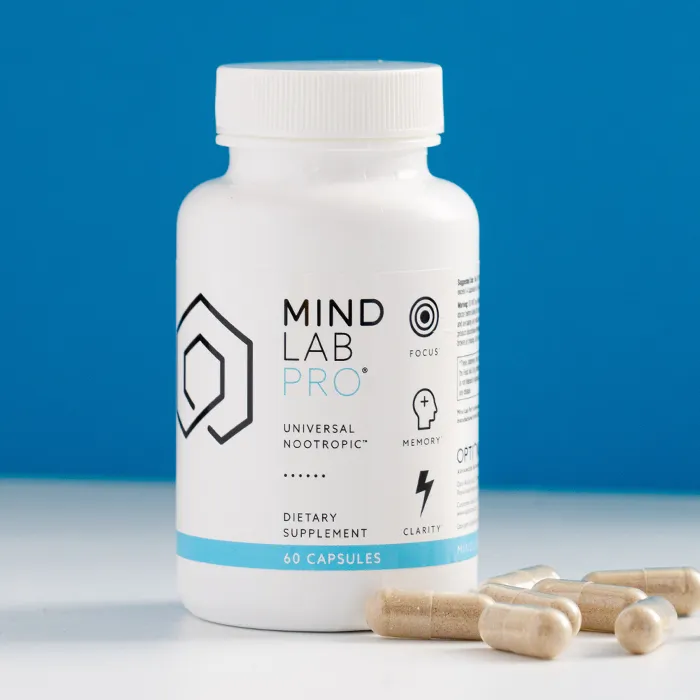
- Mind Lab Pro® offers a comprehensive supplement combining several of these dopamine-supporting ingredients, aiming to enhance mental energy, mood, and cognitive resilience.
Disclaimer
This article is for educational purposes only and is not medical advice. If you have persistent low mood, loss of pleasure, severe fatigue, anxiety, or ADHD-like symptoms, talk to a qualified healthcare professional—these can have many causes and may require proper evaluation. If you’re considering supplements for “dopamine support,” consult your clinician first, especially if you take antidepressants/MAOIs, stimulants, antipsychotics, blood pressure meds, or have bipolar disorder, heart rhythm issues, or are pregnant/breastfeeding. Supplements are not drugs, aren’t intended to diagnose, treat, cure, or prevent disease, and should be used only under a doctor’s guidance.
Several dopaminergic nootropics, herbs, amino acids and essential nutrients are believed to work as dopamine supplements. Here's a list of some potential dopamine supplement benefits and commonly recognized nutrients that may influence the dopamine pathway:
Support Dopamine for Drive, Focus & Mood
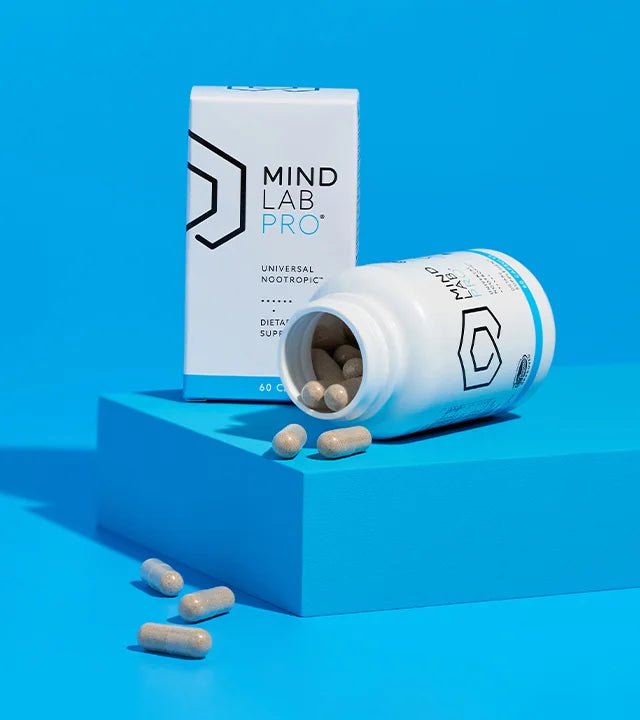
Mind Lab Pro® combines N-Acetyl-L-Tyrosine, L-Theanine, Rhodiola, Phosphatidylserine and NutriGenesis® B6/B9/B12, a clean, research-driven stack for dopamine-related performance.*
Disclaimer
This article is for educational purposes only and is not medical advice. If you have persistent low mood, loss of pleasure, severe fatigue, anxiety, or ADHD-like symptoms, talk to a qualified healthcare professional—these can have many causes and may require proper evaluation. If you’re considering supplements for “dopamine support,” consult your clinician first, especially if you take antidepressants/MAOIs, stimulants, antipsychotics, blood pressure meds, or have bipolar disorder, heart rhythm issues, or are pregnant/breastfeeding. Supplements are not drugs, aren’t intended to diagnose, treat, cure, or prevent disease, and should be used only under a doctor’s guidance.
Benefits of Dopamine Supplements
- Help to boost motivation, drive and mental energy; enhanced goal-oriented behavior.
- Support mood and well-being: Dopamine helps maintain a bright, balanced state of mind.
- Dopamine signaling is critical for learning, memory recall, and overall cognitive performance.
- Healthy dopamine levels fight mental fatigue and stress, while promoting a calm, alert mental state.
- Help to improve focus, concentration, and sustain attention without overstimulation.
- Enhance dopamine receptor density and sensitivity, helping the brain respond more effectively to dopamine for improved cognitive resilience.
Best Nootropics for Dopamine
- N-Acetyl L-Tyrosine (NALT): Amino acid tyrosine is a raw material used to boost dopamine levels and regulate neurotransmitter levels
- L-Theanine: Found in green tea; crosses blood brain barrier to support dopamine levels in the brain, good for healthy mood
- Rhodiola Rosea: May enhance dopamine synthesis and receptor sensitivity; supplies antioxidant properties
- Citicoline: Multitasking nootropic may support dopamine and mental energy production in brain cells
- Lion's Mane Mushroom: Known for mood enhancing effects; suggested to help restore dopamine
- Caffeine: Boosting dopamine levels with caffeine help to produce its alert-and-motivated benefits
- Mucuna Pruriens: Its L-DOPA converts to dopamine and is used for dopamine deficiency
- Omega-3 Fatty Acids (DHA/EPA): May support brain health and dopamine signaling.
- Prebiotics and probiotics: Boost gut microbiome that makes brain chemicals like dopamine.
- Essential Nutrients: Vitamin D, B6, B9, Magnesium, Iron, Zinc can all help increase dopamine levels
It's important to note that while these substances may influence dopamine levels or function, their effectiveness can vary widely among individuals, and not all may have strong scientific backing.
We'll go into more detail on several of these dopamine nutrients in this article.
Supplements and Nootropics that Increase Dopamine
- Mind Lab Pro®: Best of the dopamine supplements. Supplies N-Acetyl L-Tyrosine (NALT), L-Theanine, Citicoline, Rhodiola Rosea, Bacopa Monnieri, Vitamin B9. Universal Nootropic design. Learn more about MLP®
- Prebiotic: Boosts the gut-brain connection, nourishing probiotics in the digestive tract (the microbiome) which can impact dopamine and other brain chemicals. Learn more about Prebiotic
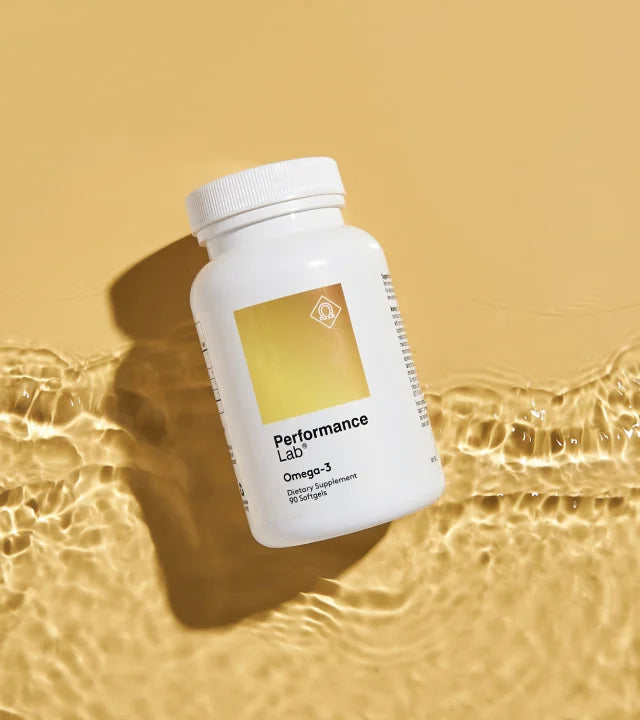
- Performance Lab® Omega-3: A clean vegan softgel supplying plant (algae) Omega-3s associated with healthy dopamine levels and mood balance. Learn more about Omega-3
- Caffeine 2: The top caffeine pill overall, especially for dopamine. Moderate-dose caffeine enhanced with dopamine-supportive L-Tyrosine, L-Theanine and B-Vitamins. Learn more about Caffeine 2
- NutriGenesis® Multi: Advanced multivitamin that supplies essential nutrients for dopamine support, general neurotransmitter health, and overall wellness. Learn more about Multi for Men and for Women
- Pre Lab Pro®: Nootropic energizing pre-workout for peak athletic performance with no crash. Supports dopamine required for effective training and recovery. Learn more about Pre Lab Pro
We explore each of these pro-dopamine supplements in greater detail further down the page.
What is Dopamine?

Dopamine is a neurotransmitter (brain chemical) that plays an important role in movement, food preference, learning, attention, habits, mood, and more. In this article, we will be focusing on dopamine's influence on various aspects of cognition.
In the Brain, dopamine influences mood, motivation and cognition:
Reward and Pleasure: Dopamine is best known as the motivation molecule for its role in the brain's reward system. It contributes to feelings of pleasure and satisfaction as part of the reward system. When you engage in activities that are enjoyable or achieve something, dopamine is released, which motivates you to repeat those activities. Learn more about Nootropics for Motivation
Motor Control: In areas such as the substantia nigra, dopamine is vital for controlling movement. A serious deficiency of dopamine in this area is one of the primary causes of tremors, rigidity, and difficulty with walking and coordination.
Cognition and Executive Function: Dopamine contributes to various executive functions, including attention, problem-solving, memory, planning, and decision-making. It plays a part in how we concentrate, plan our time, and organize our lives.
Mood Regulation: It can influence mood, and imbalances in dopamine levels have been linked to blue moods and depression. Since movement often leads to perceived reward, movement is closely linked to motivation - and dopamine also influences motivation levels.
Learning: Dopamine is involved in learning, particularly reinforcing the association between a particular activity and the pleasure or reward that follows.
Dopamine is far-reaching. Disruptions in dopamine levels or its signaling pathways can, therefore, have significant impacts on overall health and well-being.
Want dopamine support without stimulants? Try Mind Lab Pro® →
What causes dopamine deficiency?
Low dopamine levels can be caused by a variety of factors, including:
- Genetic Factors: Inherited traits can affect dopamine production and metabolism.
- Poor Nutrition: Low tyrosine, magnesium deficiency, vitamin D deficiency and other nutrient shortfalls can reduce dopamine levels.
- Chronic Stress: Prolonged stress can deplete dopamine stores.
- Substance Abuse: Drugs that spike dopamine can eventually decrease natural production.
- Health Conditions: Issues like attention deficit hyperactivity disorder (ADHD) and depression that impact mental health, as well as central nervous system disorder Parkinson's, are associated with low dopamine levels.
- Lack of Sleep: Inadequate sleep can reduce sensitivity of dopamine receptors.
- Aging: Natural aging can decrease dopamine production.
- Lack of Physical Activity: Exercise boosts dopamine, so inactivity can contribute to lower levels.
These factors may interact and compound, leading to significant variations in dopamine levels from one individual to another.
Symptoms of dopamine imbalance

Low levels of dopamine can lead to a lack of joy in activities, reduced motivation, and a general decrease in enthusiasm for life.
Dopamine deficiency conditions are often associated with various health and mood disorders. Depleted dopamine levels can lead to a variety of symptoms, including:
- Decreased motivation.
- Fatigue.
- Mood swings or depression.
- Brain function difficulties, such as poor concentration and memory.
- Sleep problems.
- Reduced libido.
- Motor control issues, like tremors or stiffness
- Anhedonia, or the inability to feel pleasure.
Dopamine has a profound influence on mood by contributing to feelings of pleasure, satisfaction, and motivation, while imbalances in dopamine levels can lead to mood disorders and affect overall emotional well-being.
Best Dopamine Nootropics for Cognitive Function
So how do nootropics for dopamine potentially work? Nootropic supplements to boost dopamine levels can work both directly and indirectly, primarily by helping the body to make and maintain dopamine:
- Serving as nutritional precursors. The body requires raw materials to synthesize dopamine. Some nootropics and other supplements give the body the raw materials it needs to produce dopamine and help maintain healthy levels.
- Acting as a natural dopamine reuptake inhibitor. These compounds block dopamine from removal from the blood stream, thereby increasing dopamine levels and supporting dopamine neurons in the brain.
- Indirectly supporting dopamine. Supplements may help maintain dopamine balance by promoting pleasurable feelings, fighting dopamine-depleting stress, promoting healthy sleep patterns, supporting exercise and other indirect pathways.
Let's now take a look at how to increase dopamine with supplements using some of the best nutrients available in natural health products today.
I was skeptical at first, but I can say that I feel sharper and more clear minded than as long as I can remember.John Y
L-Tyrosine (as N-Acetyl L-Tyrosine, or NALT)

L-tyrosine is an amino acid that serves as a precursor (raw material) for synthesizing several important performance-oriented brain chemicals, including dopamine.
When you get L-Tyrosine from foods or supplements (including nootropic stacks, sports nutrition amino acids, dopamine supplements, etc.) the body transforms it into L-DOPA, which then helps to form dopamine.
By helping the body produce dopamine, L-tyrosine supplements may improve cognitive function and mental performance, especially under stressful situations.(1)
You may increase dopamine production by either consuming tyrosine-rich foods (meats, dairy, seeds, nuts, avocados) or taking dopamine supplements.(2)
N-Acetyl L-Tyrosine is the preferred form to look for because it is believed to offer greater bioavailability than standard L-Tyrosine supplements.
L-Theanine

Naturally occurring amino acid L theanine may have indirect activity for increasing dopamine. In animal studies, researchers have suggested L-Theanine may increase dopamine production in the brain, as well as raising neurotransmitters serotonin and GABA.(3)
Amino acid L-Theanine is also suggested to work by tuning brain waves to the alpha frequency. This frequency is associated with feelings of calm clarity. L-Theanine's relaxing effects also promote dopamine via a separate pathway.
It's a supplement that feels good to take, producing a pleasurable state of tranquility that triggers natural dopamine release.
Citicoline

Citicoline is a choline donor nootropic that helps to activate the production and release of dopamine. Some researchers have suggested that citicoline (Also called CDP-Choline) may help to:
- Restore and maintain dopamine receptor density (animal research).(4)
- Boost dopamine and noradrenaline levels in the central nervous system (CNS).(5)
- Exert protective activity over dopaminergic neurons in culture.(6)
- Raise dopamine production, potentially by assisting dopamine precursor tyrosine and sustaining dopamine activity.(7)
Citicoline is also a flat-out brain booster, shown to boost brain energy metabolism by 13.6%.(8) And it has been linked to benefits enhancing cognitive function overall, including focus and short term memory.
Learn more about Citicoline for Dopamine
Lion's Mane Mushroom

This traditional herb is suggested to boost Nerve Growth Factor (NGF). It nourishes health, and appears to help support the bright, balanced mood that reflects healthy dopamine status.
Researchers have suggested its mood benefits may be attributed to something besides NGF. They could, rather, be attributed to healthier dopamine levels.
Some animal studies on subjects with depression symptoms found that giving them Lion's Mane mushroom helped balance dopamine levels that were depleted, as well as restoring norepinephrine and serotonin.(9)
Omega-3 Fatty Acids

Omega-3 fatty acids EPA (eicosapentaenoic acid) and DHA (docosahexaenoic acid) may enhance several aspects of dopamine, including its production, release and uptake as well as supporting proper function of dopamine receptors.(10)
Omega-3s' (also called essential fatty acids) role as dopamine supplements may partially explain their potential antidepressant effects. Omega-3s are increasingly suggested to help with mental and emotional wellness, improve mild depression symptoms, boost your mood and promote mental health overall.(11)
Omega-3 fatty acids are often associated with fish oil supplements. But today's leading supplements supply Omega-3s from plant sources like marine algae or flaxseed.
Learn more about marine algae Omega-3s
Prebiotics and Probiotics

Did you know that the gut plays a big role in brain chemicals? The microbiome -- A colony of beneficial bacteria (probiotics) that inhabits the gut -- is part of the reason why. Researchers have estimated that the microbiome produces up to 95% of the body's serotonin and 50% of its dopamine.(12)
In the context of dopamine, specifically, researchers have reported that substantial evidence supports the microbiome's potential to increase dopamine levels naturally -- with versatile roles in dopamine release, synthesis, and bioavailability.(13)
Prebiotic and probiotic dietary supplements are sometimes categorized as nootropics because they boost the microbiome, potentially enhancing its ability to promote brain chemicals. They also support immune function, digestive health and more.
In today's market, prebiotic supplements (and foods, such as chicory root) are popular because they feed the existing microbiome -- rather than introducing multiple new strains like a probiotic supplement -- which is believed to promote more reliable and comfortable microbiome-boosting activity.
Learn more about today's top prebiotic supplements to improve mood.
Caffeine

The world's most popular psychoactive substance, caffeine works in part by influencing dopamine. Researchers suggest caffeine enhances dopamine signaling by blocking the neurotransmitter adenosine.
Caffeine's upregulation of dopamine receptors has also been suggested to contribute to its alertness-boosting effects.(14)
Essential Vitamins and Minerals

Essential daily nutrition and brain function go hand-in-hand. Some essential vitamins and minerals play a role in dopamine concentrations, too. They include:
B-complex: Vitamin B6 may be the most significant: It is a coenzyme that is required for natural synthesis of several different brain chemicals, including serotonin, epinephrine, and yes, dopamine.(15)
Learn more about Vitamin B6 for dopamine.
Magnesium is a cofactor in over 300 health-supportive biological activities in the body, including roles related to the synthesis and conversion of brain chemicals. Magnesium helps catalyze L-Tyrosine into L-DOPA, which is then transformed into dopamine. Without magnesium, healthy levels of dopamine in the brain cannot be maintained.
Vitamin D appears to be linked to receptors and enzymes that stimulate dopamine production. Vitamin D deficiency, on the other hand, is linked to low dopamine in the brain, as well as mood disorders like depression. Researchers have suggested that vitamin D supplementation may help, with more robust effects noted in subjects with major depressive disorder than in those with milder mood problems.(16) Getting more sunshine or taking vitamin D supplements may help.
Mucuna Pruriens

Mucuna pruriens, a tropical legume, contains high levels of L-DOPA, a direct precursor for increasing dopamine. Supplementing with Mucuna pruriens can potentially raise dopamine levels in the brain.(17) This increase in dopamine may lead to improved mood, healthy cognitive function, and potential neuroprotective benefits.
However, due to variability in L-DOPA content and potential side effects, it's important to use any Mucuna pruriens supplements cautiously and under medical supervision.
Rhodiola Rosea

Rhodiola rosea, or golden root, is a popular plant used in traditional herbalism across Asia and Eastern Europe. Some of Rhodiola's benefits include boosting mood, increasing energy, enhancing work performance, and reducing the symptoms of physical and mental stress.
Rhodiola exerts multiple effects on the central nervous system, including improving dopamine's stability and acting as a natural dopamine reuptake inhibitor, helping to reduce anxiety and fatigue and boosting the brain's ability to handle stress.(18)
L-Tryptophan
L-Tryptophan indirectly affects the brain's dopamine system because it is primarily a precursor to serotonin, another neurotransmitter. When L-Tryptophan levels increase, it can lead to more production of serotonin.(19) Since serotonin and dopamine can inversely influence each other's release in certain brain areas, increased serotonin production may lead to a modulation of dopamine release.
Healthy Dopamine Lifestyle
There are many ways you can help your brain to naturally boost dopamine production and maintain optimal dopamine levels. Instead of giving in to cravings or relying on quick, but often harmful, artificial fixes, try balancing your dopamine with these tips:
Reduce sugar intake: Limit sugar intake to reduce cravings and protect natural dopamine levels. If you struggle with a sweet tooth, chromium picolinate supplements can help decrease sugar cravings.
Set a healthy sleep routine: One easy way to boost dopamine is to follow a regular sleep pattern. Ideally, every 24-hour cycle should include seven to eight hours of sleep and regular periods of physical activity. Irregular sleep cycles combined with lack of exercise can drain dopamine levels. Adequate periods of activity and rest allow the brain to recharge its stores of neurotransmitters, helping to ensure you have enough dopamine for your day.
Decrease stress levels: Dopamine deficiency is related to high stress levels. While you can't always control your circumstances, you can find many ways to help deal with daily stress and anxiety better. Meditation, deep breathing, yoga, tai chi, reading, praying, journaling, and many other stress-reducing practices can help reduce stress and help the body release dopamine.
While supplements to repair dopamine receptors are still being investigated, adopting these lifestyle practices may help with an overall dopamine reset.
Best Dopamine Supplements and Nootropics for Motivation in 2026
Mind Lab Pro®

If you're looking for a dopamine supplement but also wouldn't mind a whole-brain cognitive performance boost, then Mind Lab Pro is perfect for you.
Creators of this product have expertly combined 11 well-researched nootropics, including several of the best for dopamine specifically and brain chemicals in general. Each serving supplies:
- Citicoline dosage 250mg
- Phosphatidylserine (PS), 100 mg
- Bacopa monnieri, 150 mg (full-spectrum extract, 24% bacosides with 9 bioactives)
- Organic Lion's Mane Mushroom, 500 mg (fruit and mycelium)
- Maritime Pine Bark Extract, 75 mg: (Standardized to 95% proanthocyanidins)
- N-Acetyl L-Tyrosine, 175 mg
- L-Theanine, 100 mg
- Rhodiola rosea, 50 mg (Standardized to 3% rosavins and 1% salidrosides)
- NutriGenesis® B-Vitamins: Vitamin B6 (2.5 mg), Vitamin B9 (100 mcg), Vitamin B12 (7.5 mcg)
Because it optimizes the whole brain, MLP® can help beyond dopamine. It rises to meet whatever cognitive challenges you are facing at the moment. Whether you need to enhance concentration, attention, memory mood or brain health overall, MLP® helps to support it.
This also means that MLP® works for everybody. Students and learners, working professionals, athletes and fitness enthusiasts, individuals with high-stress lifestyles... everybody. It's part of the reason why this formula is called a Universal Nootropic.
MLP® is one of the only nootropic supplements that is actually backed by human research.
- Study 1: Subjects taking MLP showed significant improvements (compared to placebo) in information processing tasks.(20)
- Study 2: Subjects taking MLP had significant improvements across multiple memory functions, including auditory, vision, visual working, immediate and delayed recall memory.(21)
- Study 3: Researchers reported that supplementing with Mind Lab Pro appeared to help the brain's different regions coordinate more effectively in healthy adults.(22)
It is high quality across the board, as well. Vegetarian Society Vegan Approved, validated by the Clean Label Project, and no bad stuff: GMO-free, gluten-free, synthetic additive-free.
Pricing & Shipping
- 1 Bottle (one month supply): $69 ($2.30/serving)
- 2 bottles (two month supply): $138 ($2.30/serving)
- Best deal: 3 bottles + 1 free, with free shipping: $207 ($1.73/serving)
- All covered by 30-day money back guarantee
Mind Lab Pro® supplies most of the best dopamine nootropics and other nutrients discussed in this article. Some additional great supplement choices for dopamine can be found at Performance Lab®.
Prebiotic

Prebiotic boosts the microbiome "second brain" for mood support. It supplies Inulin-FOS (as Orafti® Synergy1) (FructoOligoSaccharides from Chicory Root), 2 g.
Chicory root in Performance Lab® Prebiotic feeds Lactobacillus and Bifidobacterium probiotic strains in the gut shown to support dopamine and other brain chemicals.
Learn more about Performance Lab® Prebiotic
Performance Lab® Omega-3

This nootropic supplement supplies clean, high-quality vegan Omega-3 fatty acids from Algal Oil, including DHA, the most important Omega-3 fatty acid to take as a brain supplement.
Each serving of three NutriGels® supplies 1800 mg of vegan algal oil DHA (Docosahexaenoic Acid), 540 mg; EPA (Eicosapentaenoic Acid), 270 mg.
Pre Lab Pro®

Exercise is great for dopamine. Pre Lab Pro® is great for exercise. Performance Lab® developed this nootropics-enhanced pre-workout formula to boost gym performance in body and mind. It supports smooth energy, focus and peak performance, with no crashing during or after your workout.
Pre Lab Pro includes a generous assortment of dopamine-supportive nutrients, including Natural Caffeine (moderate dose, 80 mg), L-Theanine, L-Tyrosine, Vitamin D3, B-vitamins and Iron (as NutriGenesis®).
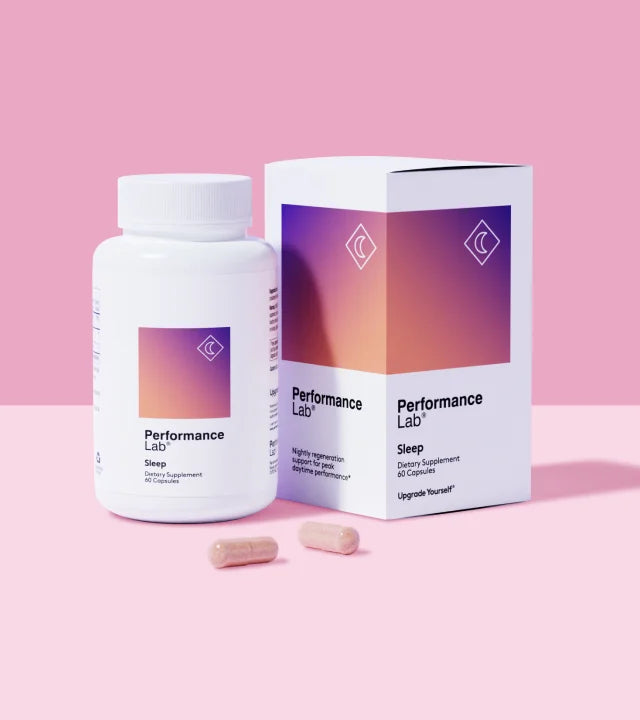
Performance Lab® Sleep

Sleep is essential for dopamine production. This sleep supplement is driven by tart cherry extract, which supplies natural low-dose melatonin for sleep and cherry antioxidants to soothe achy joints and muscles.
It also includes some top nootropics for dopamine: two forms of magnesium plus dopamine precursor L-Tryptophan.
An immediate change in quality and consistency of sleep. I highly recommend it.Stephanie B
Performance Lab® NutriGenesis® Multi

Adequate vitamin and mineral intake helps overall brain function and cognitive performance. It also promotes dopamine production.
With that in mind, it makes sense to include a high-quality multivitamin in your dopamine stack. NutriGenesis Multi for Men and for Women are solid choices.
NutriGenesis® multivitamins feature lab-cultured nutrients that are efficient to produce, eco-friendly and highly bioavailable for maximum effect. There are distinct formulas for men and women, calibrated for gender-specific nutritional needs.
Learn more about Performance Lab® NutriGenesis® Multi for Men and for Women
Summary
Looking to increase dopamine levels? Nootropic supplements and brain nutrients can help support the healthy dopamine levels that support a positive state of mind and overall well-being.
Maintaining optimal dopamine levels through diet and supplementation is important for various aspects of health. Adequate dopamine is essential to elevate mood, cognitive function, attention, healthy motivation levels, movement and pleasure.
The right support with nutrients that increase dopamine levels may ultimately contribute to better mental health, cognitive clarity, emotional stability, and overall neurological health.
References
- Young, S. N. (2007). L-tyrosine to alleviate the effects of stress? Journal of Psychiatry & Neuroscience, 32(3), 224. Link
- Healthdirect Australia. (n.d.). Dopamine. Link
- Nathan, P. J., Lu, K., Gray, M., & Oliver, C. (2006). The neuropharmacology of L-theanine (N-ethyl-L-glutamine): A possible neuroprotective and cognitive enhancing agent. Journal of Herbal Pharmacotherapy, 6(2), 21–30. Link
- Giménez, R., Raïch, J., & Aguilar, J. (1991). Changes in brain striatum dopamine and acetylcholine receptors induced by chronic CDP-choline treatment of aging mice. British Journal of Pharmacology, 104(3), 575–578. Link
- Secades, J. J., & Frontera, G. (1995). CDP-choline: Pharmacological and clinical review. Methods and Findings in Experimental and Clinical Pharmacology, 17(Suppl B), 1–54. Link
- Radad, K., Gille, G., Xiaojing, J., Durany, N., & Rausch, W. D. (2007). CDP-choline reduces dopaminergic cell loss induced by MPP(+) and glutamate in primary mesencephalic cell culture. International Journal of Neuroscience, 117(7), 985–998. Link
- Saver, J. L. (2008). Citicoline: Update on a promising and widely available agent for neuroprotection and neurorepair. Reviews in Neurological Diseases, 5(4), 167–177. Link
- Silveri, M. M., et al. (2008). Citicoline enhances frontal lobe bioenergetics as measured by phosphorus magnetic resonance spectroscopy. NMR in Biomedicine, 21(10), 1066–1075. Link
- Chong, P. S., Fung, M. L., Wong, K. H., & Lim, L. W. (2019). Therapeutic potential of Hericium erinaceus for depressive disorder. International Journal of Molecular Sciences, 21(1), 163. Link
- Grosso, G., Galvano, F., Marventano, S., Malaguarnera, M., Bucolo, C., Drago, F., & Caraci, F. (2014). Omega-3 fatty acids and depression: Scientific evidence and biological mechanisms. Oxidative Medicine and Cellular Longevity, 2014, 313570. Link
- Harvard Health Publishing. (2018). Omega-3 fatty acids for mood disorders. Link
- Sittipo, P., Choi, J., Lee, S., & Lee, Y. K. (2022). The function of gut microbiota in immune-related neurological disorders: A review. Journal of Neuroinflammation, 19(1), 154. Link
- Hamamah, S., Aghazarian, A., Nazaryan, A., Hajnal, A., & Covasa, M. (2022). Role of microbiota-gut-brain axis in regulating dopaminergic signaling. Biomedicines, 10(2), 436. Link
- Volkow, N. D., Wang, G.-J., Logan, J., Alexoff, D., Fowler, J. S., Thanos, P. K., Wong, C., Casado, V., Ferré, S., & Tomasi, D. (2015). Caffeine increases striatal dopamine D2/D3 receptor availability in the human brain. Translational Psychiatry, 5(4), e549. Link
- Field, D. T., Cracknell, R. O., Eastwood, J. R., Scarfe, P., Williams, C. M., Zheng, Y., Tavassoli, T. (2022). High-dose vitamin B6 supplementation reduces anxiety and strengthens visual surround suppression. Human Psychopharmacology: Clinical and Experimental, 37(6), e2852. Link
- Menon, V., Kar, S. K., Suthar, N., & Nebhinani, N. (2020). Vitamin D and depression: A critical appraisal of the evidence and future directions. Indian Journal of Psychological Medicine, 42(1), 11–21. Link
- Rana, D. G., & Galani, V. J. (2014). Dopamine mediated antidepressant effect of Mucuna pruriens seeds in various experimental models of depression. Ayu, 35(1), 90–97. Link
- Sharma, A., Gerbarg, P. L., & Brown, R. P. (2015). Non-pharmacological treatments for ADHD in youth. Adolescent Psychiatry (Hilversum), 5(2), 84–95. Link
- Jenkins, T. A., Nguyen, J. C., Polglaze, K. E., & Bertrand, P. P. (2016). Influence of tryptophan and serotonin on mood and cognition with a possible role of the gut-brain axis. Nutrients, 8(1), 56. Link
- Utley, A., Gonzalez, Y., & Imboden, C. A. (2023). The efficacy of a nootropic supplement on information processing in adults: A double blind, placebo controlled study. Biomed J Sci & Tech Res, 49(1). Link
- Abbott-Imboden, C., Gonzalez, Y., & Utley, A. (2023). Efficacy of the nootropic supplement Mind Lab Pro on memory in adults: Double blind, placebo-controlled study. Human Psychopharmacology: Clinical and Experimental, e2872. Link
- O’Reilly, D., Bolam, J., Delis, I., & Utley, A. (2025). Neural mechanisms of cognitive enhancement with a nootropic supplement. Brain Sciences, 15(3), 226. Link


