

Brain fog doesn’t care how clean your diet is. If you want sharper focus, memory, and mood support—certain mushrooms can help. Here’s what actually has evidence (and what to skip).
Edible mushrooms are legendary for their high nutritional value and far-reaching health benefits. But did you know that there are also nootropic mushrooms that help with cognitive performance and brain health?
For example, in a study of older adults in Singapore, people who ate mushrooms more than twice per week had 47% lower odds of mild cognitive impairment compared with those who ate mushrooms less than once per week. (Feng et al., 2019).
If you are looking for the best mushroom-based nootropics—functional mushrooms that actually help with brain health, focus and mood, and how to pick a good supplement—then this guide is for you.
We are about to discuss the best mushroom nootropics for sharpening mental clarity, elevating mood, clearing brain fog and more. Ready to dig into mushrooms that support brain health? Let's get to it!
Key Takeaways
- Lion’s Mane is the best-supported mushroom nootropic for cognition and brain health (NGF support; human data exists).
- Others (Reishi, Chaga, Cordyceps, Maitake, Shiitake, Turkey Tail) show early, mostly animal or mechanistic support—more research needed.
- Look for fruiting-body extracts (not just mycelium) with meaningful standardization and an effective daily dose.
- Stack smart: combine Lion’s Mane with complementary nutrients for daily focus, memory, mood and stress support.
- Mind Lab Pro® includes 500 mg Organic Lion’s Mane within a balanced, stim-free formula for everyday performance.
Disclaimer
This article is for educational purposes only and is not medical advice. While we may use the popular term “medicinal mushrooms,” functional mushrooms and mushroom supplements are not medicines and are not intended to diagnose, treat, cure, or prevent any disease. This article discusses dietary supplements only (not prescription drugs), and any potential benefits described are based on limited evidence that can vary by species, extract type, dose, and individual response. Always consult a qualified healthcare professional before using any mushroom nootropic or combining supplements. If you have a known mushroom allergy—or any history of food allergies—use extra caution.
The Best Nootropic Mushrooms
So what are nootropic mushrooms? Certain mushrooms may possess cognition-enhancing and neuroprotective properties that classify them as nootropics. Functional mushrooms suggested to support optimal brain health include:
- Lion's Mane Mushroom (Hericium erinaceus): Lion's Mane is renowned for its ability to support nerve growth factor (NGF) production, which leads to cognitive benefits and potentially aids in the regeneration of nerve cells. It is believed to support mental clarity, memory and focus.
- Reishi Mushroom (Ganoderma lucidum): Reishi mushrooms contain beneficial compounds that may help regulate inflammation and support overall brain health. They are mostly known for their immune-boosting properties but may have some brain health potential, too.
- Cordyceps Mushroom (Cordyceps sinensis): Cordyceps have been associated with increased oxygen utilization in the brain, potentially enhancing mental clarity and cognitive performance. They may also have neuroprotective properties.
- Chaga Mushroom (Inonotus obliquus) Chaga mushrooms are rich in antioxidants, which can help protect brain cells from oxidative stress. They may also have inflammation-modulating effects, potentially benefiting brain health.
- Maitake Mushroom (Grifola frondosa): Maitake mushrooms contain compounds that may have neuroprotective properties and support overall immune function, which can indirectly influence brain health.
- Shiitake Mushroom (Lentinula edodes): Shiitake mushrooms are a good source of B vitamins, including B6 and folate, which are key for brain health. They also contain compounds that may support the immune system.
Of these mushroom nootropics, Lion's Mane is backed by the most human research for brain benefits. Other potential mushroom nootropics are backed by promising (but early) animal research. We'll summarize that evidence below.
Experience a Science-Backed Nootropic Mushroom Supplement

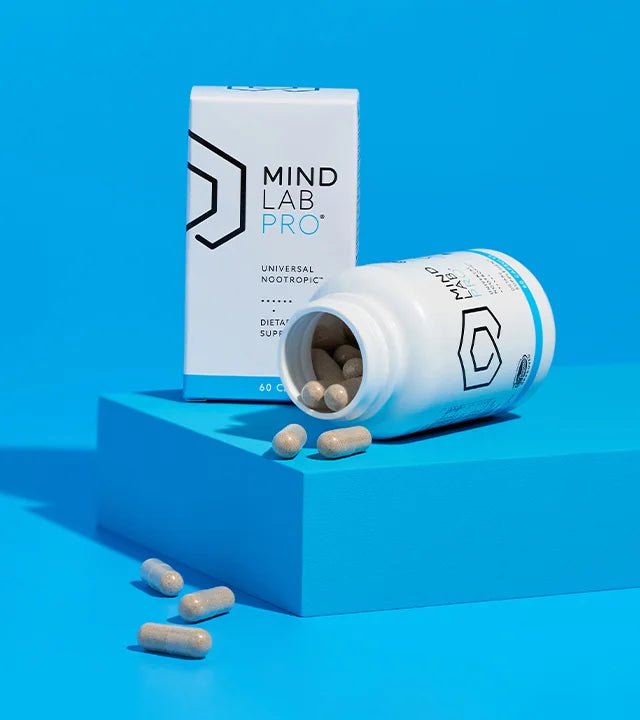
Mind Lab Pro® (MLP®) is the world's leading brain supplement featuring the best nootropic mushroom: Lion's Mane. Two human research studies show MLP supported cognitive function including memory and reaction time, and may also improve neural communication within the brain.(1,2,3)
- 11 nootropics in 1 dietary supplement
- 500mg Organic Lion's Mane Mushroom
- Focus, attention, speed of thought
- Natural stim-free cell energy surge
- Boost all types of memory and learning
- 100% safe, clean, plant-based
- 30-day money back guarantee
Want Lion’s Mane benefits without piecing together a dozen products?
Mushrooms for Health
For thousands of years, folk health practitioners around the world have used mushrooms to support wellness. Of the millions of fungal species on planet earth, 2,000 are edible and 200 are beneficial for health.
Researchers have suggested that mushrooms may help with immune function, heart health, blood sugar balance, anti-aging and more.(4)
Although there are hundreds of beneficial mushrooms, only a handful are considered to be mushroom nootropics.
Best Mushroom Nootropic Overall: Lion's Mane
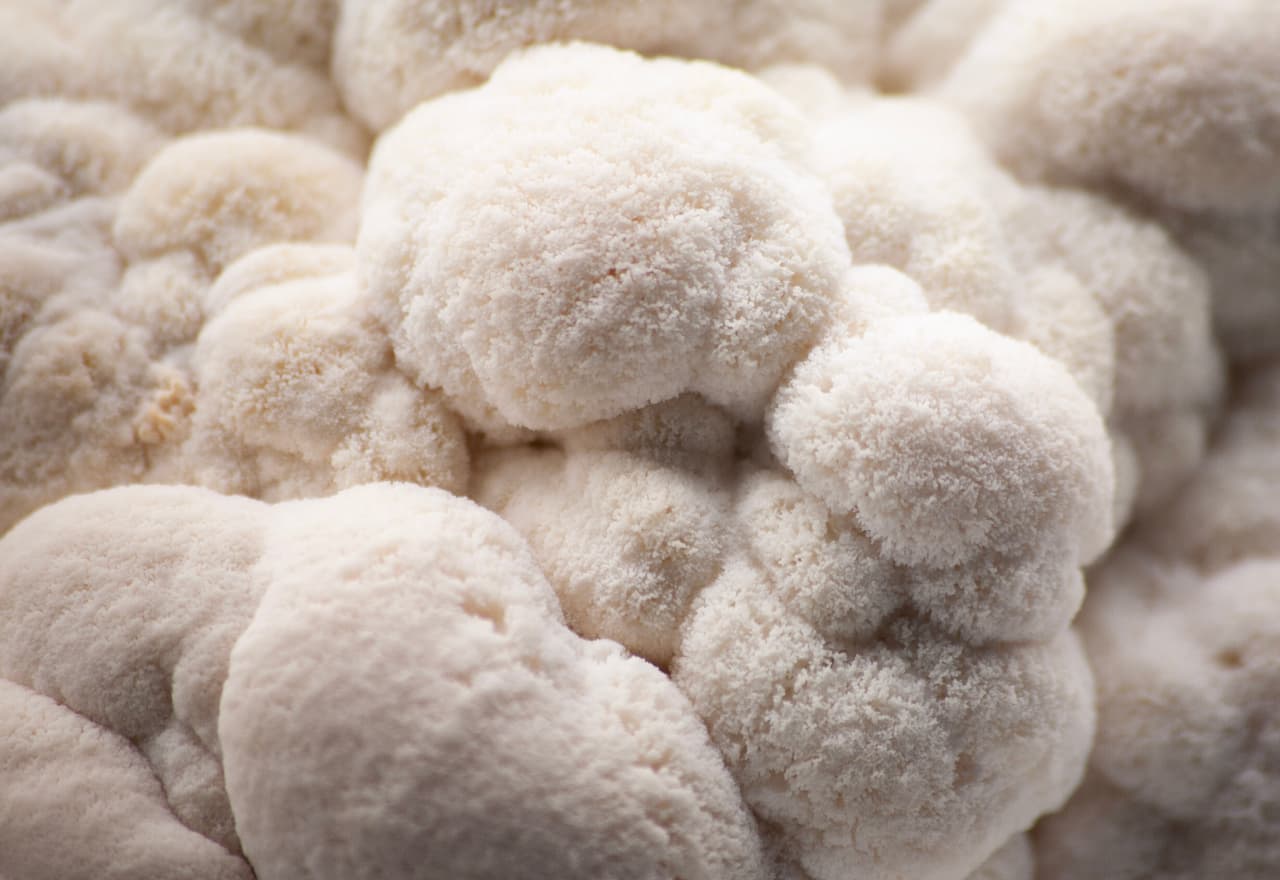
Recognized by its shaggy and distinctive appearance, Lion's Mane Mushroom (Hericium erinaceus), an exotic Chinese mushroom also known as Yamabushitake or hedgehog mushroom, is widely regarded as the best mushroom nootropic.
Its benefits for brain health, mental health and cognitive function are attributed to its hericenones and erinacines. These beneficial compounds stimulate nerve growth factor (NGF)(5), which in turn:
- Supports brain cell regeneration (a process known as neurogenesis)
- Helps stem cells become specialized brain cells
- Promotes brain cell growth, healthy function, survival and longevity
- Maintains and organize brain cells and neurons for overall brain function
- Regulates activities related to brain plasticity and helps support memory
- Provides protective activity against brain degeneration and cognitive decline
Lion's Mane stands out among over 2,000 mushroom species used in food and herbalism as the most evidence-backed for nootropic benefits.
It may be the best mushroom for focus, too, with a caveat: Mushrooms in general are not really known for focus, but Lion's mane may indirectly contribute to focus via its NGF-enhancing effects. NGF helps maintain the neurons that produce/use acetylcholine, a brain chemical that drives focus. So in theory, better cholinergic health could support focus over time.
Did You Know?
In addition to its NGF-promoting effects, Lion's Mane is suggested in some early research to also potentially help brain-derived neurotrophic factor (BDNF), another contributor to neuroplasticity.
In the context of cognitive function, Lion's Mane research has shown potential for:
Cognitive Impairment
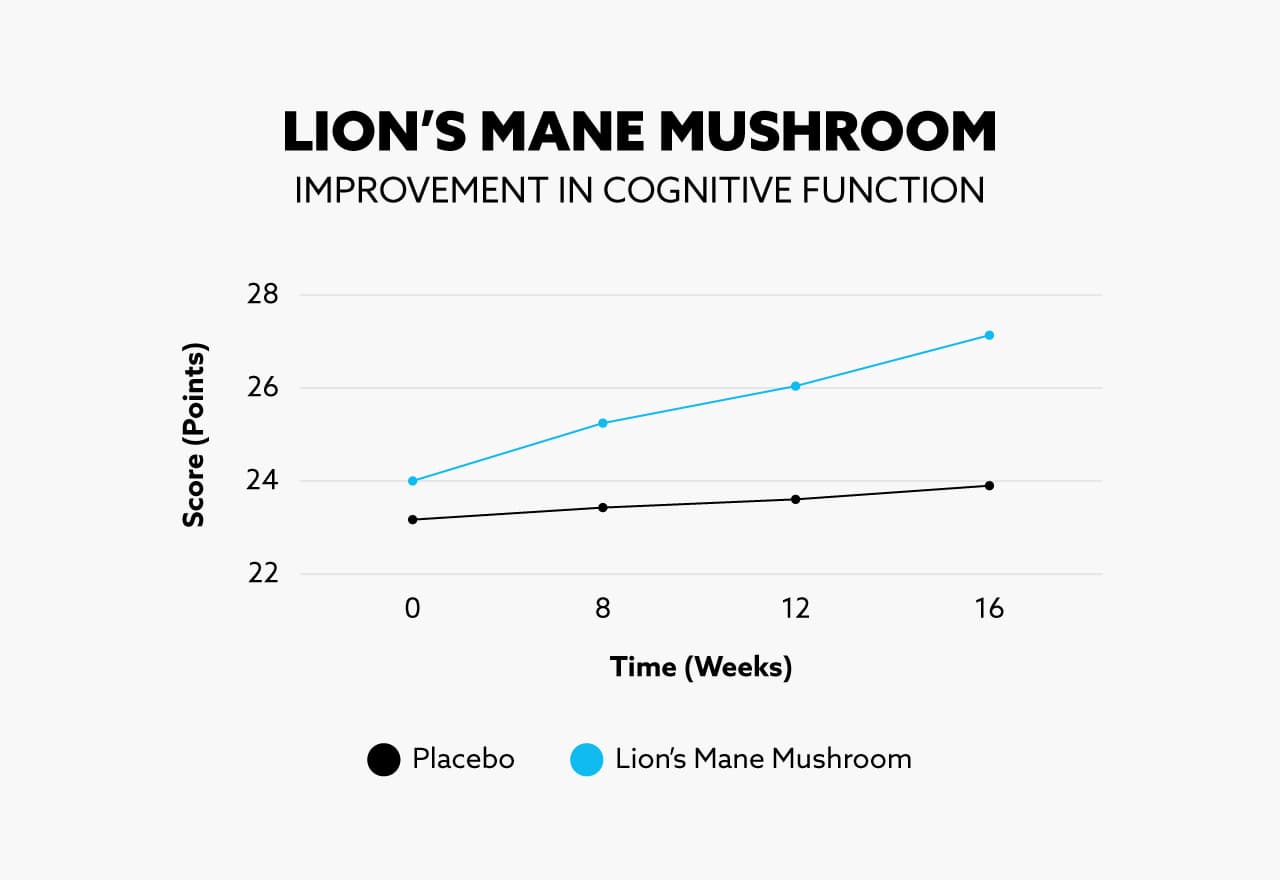
Clinical trials have suggested nootropic mushroom supplements with Lion's Mane may improve mild cognitive impairment. In one study involving individuals aged 50-80 with cognitive impairment, researchers reported significant mental performance improvements in those taking Lion's Mane.
Notably, after the study subjects stopped taking Lion's Mane mushroom nootropic dietary supplements, their cognitive improvements stopped. Researchers concluded, "Yamabushitake [Lion's Mane] is effective in improving mild cognitive impairment."(6)
Depression and Anxiety
Lion's mane nutritional benefits may modulate inflammation and influence neurotransmitters, which, combined with its NGF-enhancing properties, has been suggested to help with depression and anxiety.
In a study involving 30 women age 40+, some were given mushroom supplements (cookies) with Lion's Mane while others received a placebo for four weeks. The researchers assessed their cognitive and mental health, including depression, anxiety, concentration, sleep quality and menopausal symptoms.
The results showed that Lion's Mane mushroom led to significant improvements in menopausal symptoms, depression, and indefinite complaints. It also showed potential benefits for concentration and anxiety, although these improvements were not statistically significant.(7)
General Nerve and Brain Health
The two above studies represent the primary human clinical trials backing lion's mane as a mushroom nootropic. However, animal research suggests Lion's Mane may offer additional brain benefits for:
- Post-Injury Recovery: NGF is vital for brain health maintenance and recovery. Lion's Mane has shown potential in reducing recovery time and enhancing nerve regeneration in animal studies.(8)
- Brain Plasticity and Memory: Lion's Mane supports brain plasticity, the ability of the brain to reorganize and form new connections, which is essential for learning and adapting to new experiences. Researchers have linked it to significant improvements in recognition memory.(9)
- Neuroprotective Effects: It is one of the nootropic mushrooms that may help to protect neurons. Researchers in animal study have reported Lion's Mane may support the fatty myelin sheathing that surrounds and protects nerve cells.(10)
In addition, Lion's Mane is safe and well-tolerated as a food source, valued among culinary mushrooms, with no significant side effects reported in studies. This makes it a highly accessible and safe option for individuals looking to enhance cognitive functions.
In conclusion, Lion's Mane Mushroom's safety profile and unique support for NGF, brain cell regeneration and various cognitive functions, make it the top mushroom nootropic to look for.
I was skeptical at first, but I can say that I feel sharper and more clear minded than as long as I can remember.John Y
Other mushroom nootropics cannot yet match Lion's Mane Mushroom's body of brain research.
But researchers still suggest some other mushrooms may hold potential to help the brain. Let's dig into those next besst mushroom nootropics now.
Best Mushroom Nootropics for Brain Health & Focus in 2026
Lion's mane is a nootropic mushroom that works directly via NGF and brain chemicals. Some other nootropic mushrooms work indirectly. Their bioactive compounds (especially polysaccharides and beta-glucans) have been studied for brain-healthy immune-balancing and antioxidant properties.
Some possible nootropic mushrooms include:
Reishi
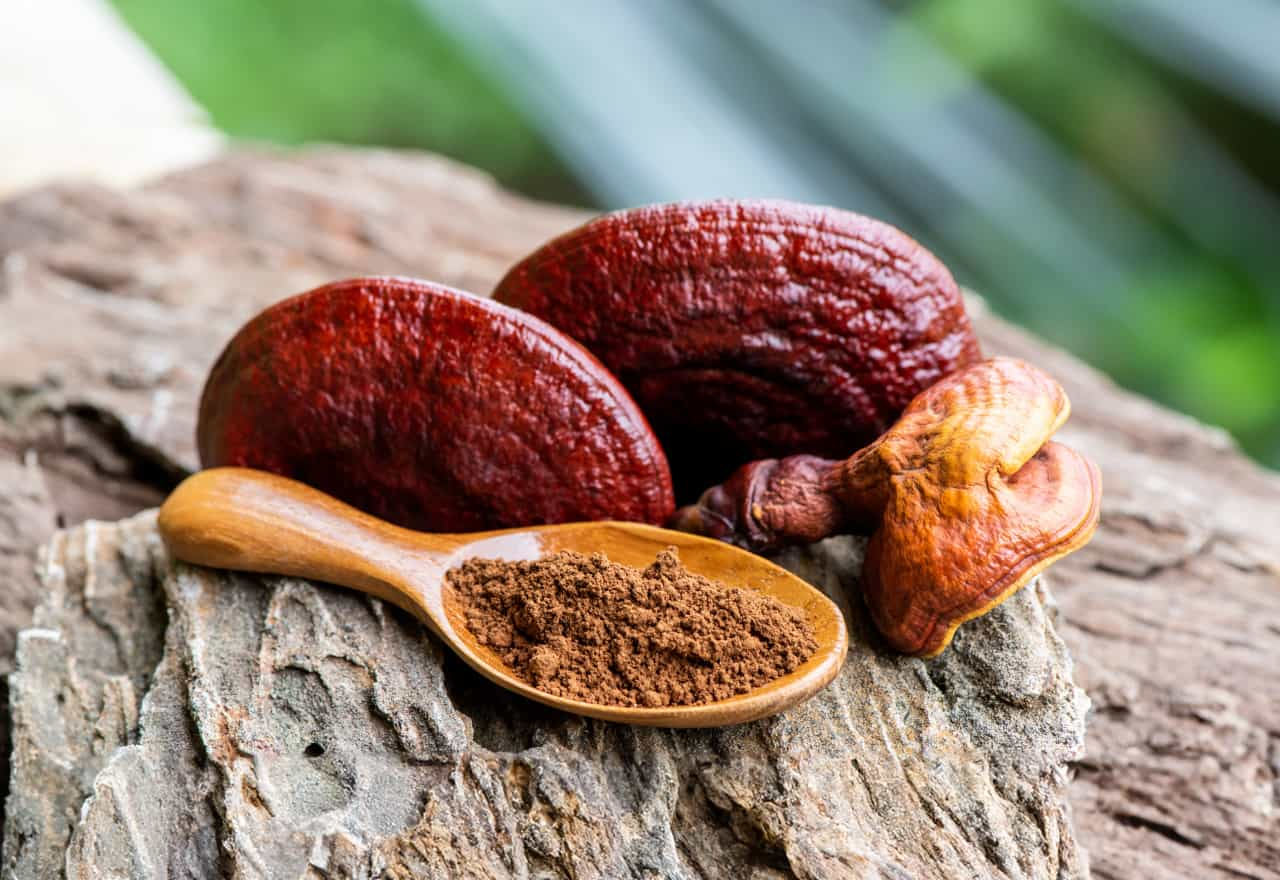
Reishi mushroom (Ganoderma lucidum) is traditionally used to regulate blood glucose levels, protect the liver and more. Mushroom supplements for immune health often feature reishi. Animal study researchers suggest its polysaccharides and antioxidant activity may also boost neurogenesis and assist with cognitive decline related to brain degeneration.(11)
Maitake

Maitake mushroom (Grifola frondosa), also known as "Hen of the Woods," is an edible mushroom that grows in clusters at the base of oak trees. It is valued for its potential health benefits, including immune support and adaptogenic properties (adaptogens are herbs that help the body adapt to various stressors). An animal study has suggested maitake's beneficial compounds called proteo-β-glucan (PGK) polysaccharides may modulate inflammation and help with age-related memory concerns.(12)
Chaga
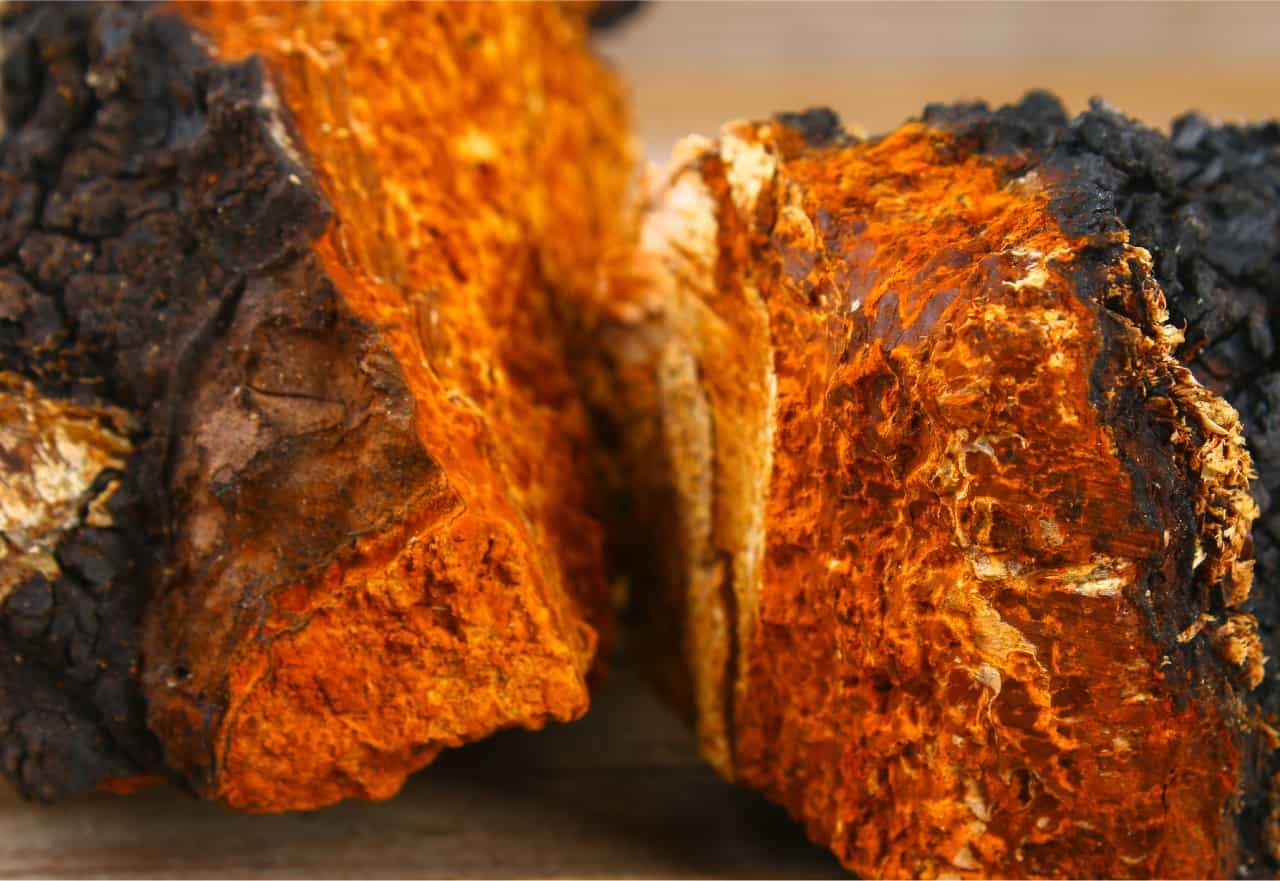
Chaga mushroom (Inonotus obliquus) is a type of fungus that grows on birch trees that is widely used in herbalism practices to support immune function, digestion and general vitality. Animal study researchers have suggested chaga may enhance cognitive performance, including higher brain functions like learning and memory.(13)
Cordyceps
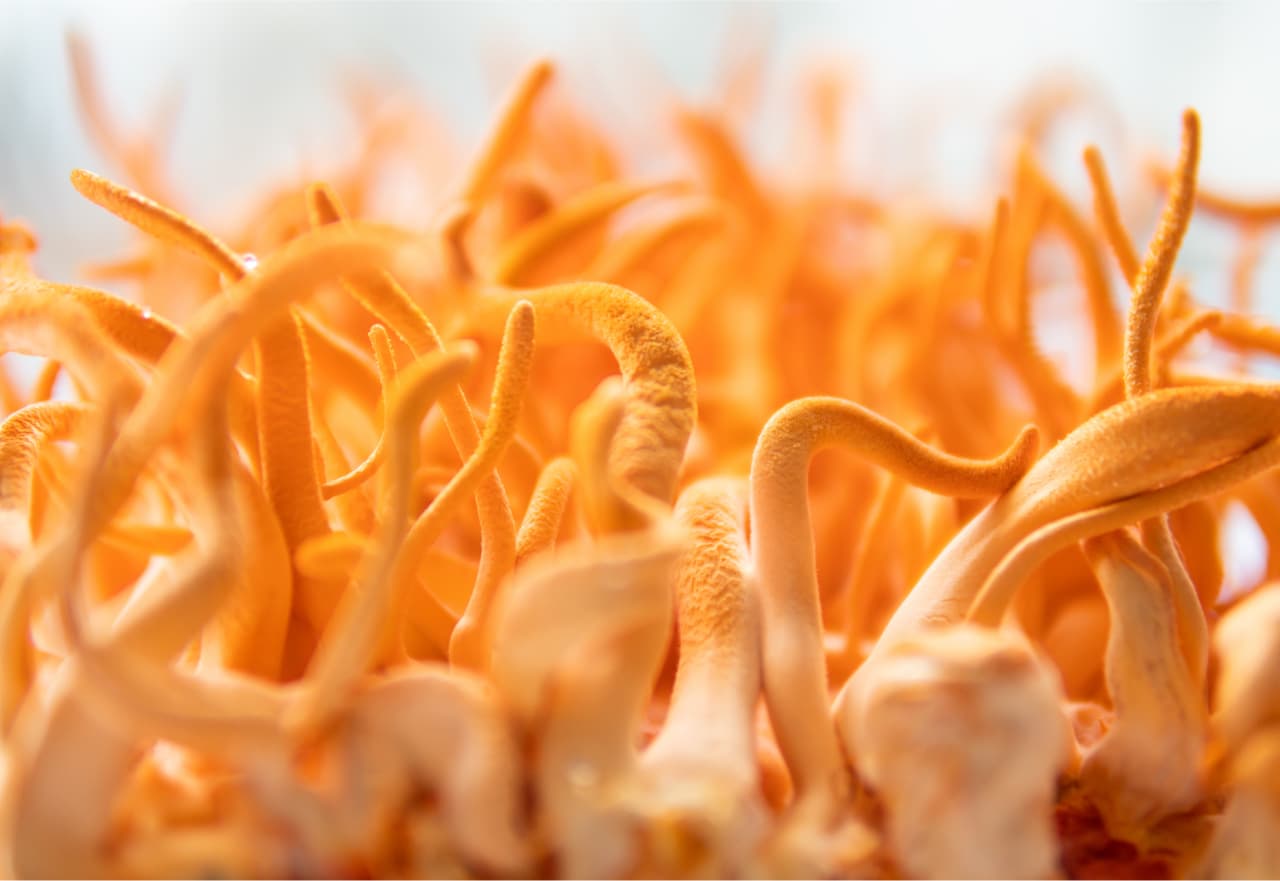
Fungus Cordyceps (Cordyceps sinensis) may be useful to athletes and those seeking a cognitive boost. In the gym, cordycepts supports energy metabolism that may help power-up athletic performance. Cordyceps mushrooms work by enhancing oxygen utilization, improving blood circulation and regulating immune responses -- all of which promote brain function, mental clarity, performance and other cognitive health benefits. One of the best adaptogenic mushrooms, cordyceps may also strengthen cognition against stress.(14)
Shiitake
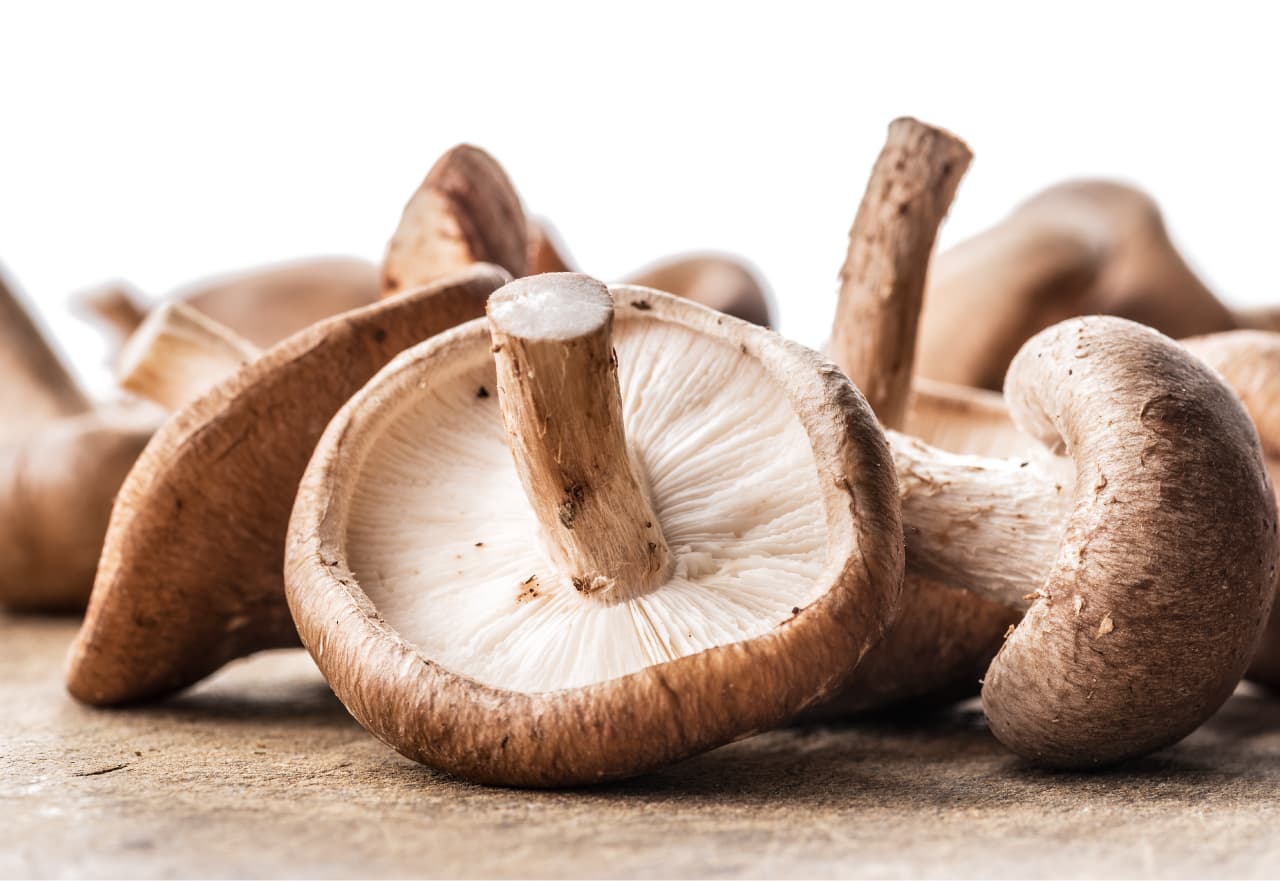
Shiitake mushroom (Lentinula edodes) is a type of edible fungus known for its savory flavor. In Traditional Chinese Medicine herbalism practices, shiitake mushrooms are valued for their potential health benefits, including immune and cardiovascular system support, attributed to compounds like beta-glucans and polysaccharides.(15)
Turkey Tail
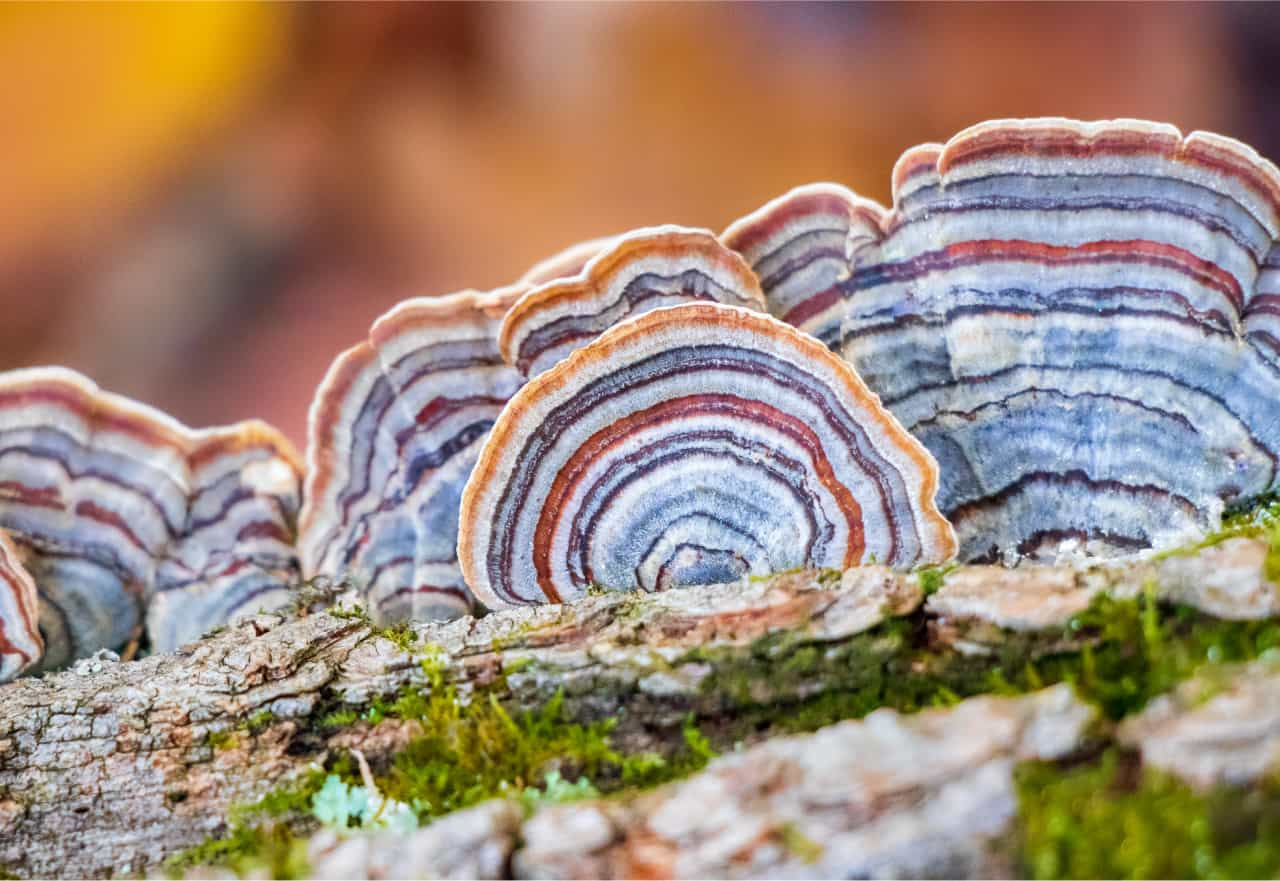
There is little direct scientific evidence to support the use of turkey tail mushroom extract (Trametes versicolor) as a mushroom supplement for the brain. However, researchers have proposed it may help to regulate immune responses.(16) Healthy, balanced immune responses contribute to long-range brain wellness.
Incorporating mushrooms into your nootropic regimen is easier than ever. Fresh mushrooms with nootropic properties can often be consumed as foods. Functional mushrooms are also widely available in herbal supplements and even in new coffee-related nootropic mushroom products.
When it comes to nootropic mushrooms to look for in brain supplements, Lion's Mane is number one. The best Lion's Mane supplement that supplies it is Mind Lab Pro.
Did you know?
Some mushrooms don’t just support the brain directly—they can help indirectly by supporting gut health. Many edible and “functional” mushrooms contain prebiotic fibers (including beta-glucans and other polysaccharides) that nourish beneficial bacteria for a healthy gut microbiome, which can in turn influence brain-related signaling via the gut–brain axis. Mushrooms often noted for their prebiotic-style fibers include lion’s mane, reishi, shiitake, maitake, oyster, and white/button (Agaricus bisporus).
I’ve improved my gut health exponentially. Can’t recommend them enough.Josh S
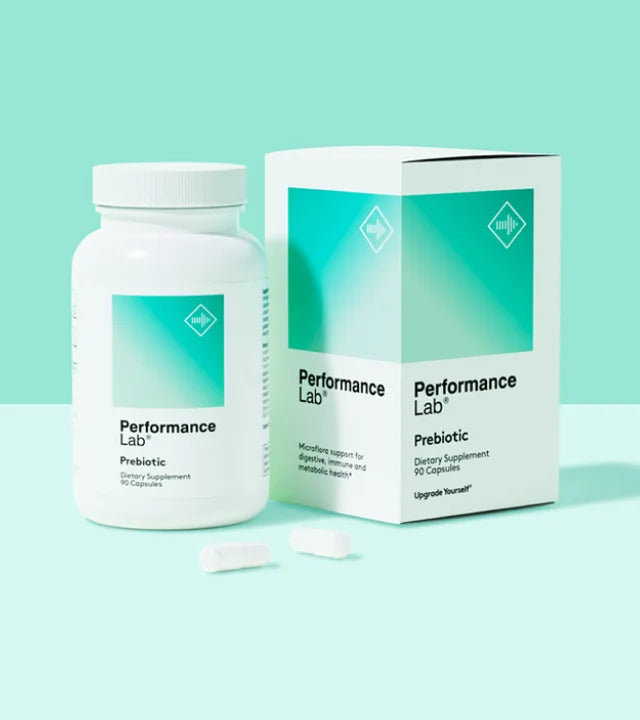
Common Mushroom Nootropics Delivery Forms:
- Capsules/Tablets: Often used for convenience, nootropic mushroom capsules may provide a standardized dose of the active compounds.
- Gummies: Mushroom gummy brands are increasingly popular because they are enjoyable and easy to consume. Different mushroom gummy brands may present as stacks or standalone; for nootropic benefits or to support immune health. Nootropic mushroom gummies marketed for brain health will typically include Lion's Mane.
- Powders: Available in bulk or pre-measured servings, nootropic mushroom powder can be added to smoothies, coffee, or other beverages.
- Mushroom coffee: A relative newcomer to the scene, mushroom coffee products are typically powders mixed with water and may supply a well-rounded mix of health-promoting mushrooms.
This is a high-quality product that I just keep circling around and coming back to. I have tried many others. This has a great balance of ingredients that help my focus.Doralyn B.
Best Nootropics Mushroom Supplement in 2026: Mind Lab Pro®
Mind Lab Pro® (MLP®) supplies 500 mg of Lion's Mane extract (a good dosage to look for) from premium organic mushrooms. It is taken from the preferred fruiting bodies (rather than the mycelium "roots" used in many nootropic mushrooms products) and includes the mushroom's most sought-after active compounds: hericenones and erinacines.

Premium-quality full-spectrum Lion's Mane Mushroom extract is just one brain-boosting ingredient in Mind Lab Pro®. The full MLP® formula is a complete nootropics regimen in a capsule:
- Citicoline 250 mg - Natural brain energizer and regenerative tonic (learn more)
- Phosphatidylserine, 100 mg - Made from sunflower; best nootropic for memory (learn more)
- Bacopa monnieri, 150 mg - Helps stress resistance, clarity and new learning (learn more)
- Organic Lion's Mane Mushroom extract, 500 mg - (learn more)
- Rhodiola rosea, 50 mg - Fights stress, boosts cognition. Considered a legal performance enhancer (learn more)
- L-Theanine, 100 mg - one of the top nootropic amino acids, for feelings of relaxed alertness (learn more)
- N-Acetyl L-Tyrosine, 175 mg - Ultimate nootropic for performing under stress (learn more)
- Maritime Pine Bark Extract, 75 mg - Potent antioxidant properties energize and protect (learn more)
- Vitamins B6 2.5 mg, B9 100 mcg, B12 7.5 mcg (all as NutriGenesis®) - Key essentials for brain and nerve health
Universal Nootropic Design
MLP® is designed as a whole-brain booster that enhances all aspects of cognition while supporting brain function. Thanks to its far-reaching formula, it can support the following brain benefits:
- Improved attention, concentration and focus; great for productivity
- Helps improve memory of all kinds: short-term, long-range, learning, quick recall
- Mental energy. Revitalizing cell vitality boost without stimulation or side effects
- Stress resistance; enhanced performance under chaos and multitasking
- Overall mental clarity and fast processing speed
- Bright, balanced mood plus a calm and relaxed outlook
Lion's Mane Mushroom contributes its unique nootropic properties to MLP®'s mood effects, cognitive enhancement benefits and more.
Mind Lab Pro® is Backed by Clinical Research.
In one study, researchers reported that subjects taking Mind Lab Pro experienced improvements in information processing tasks involving simple reaction time (SRT), choice reaction time (CRT) and anticipation.(1)

A second study linked Mind Lab Pro to improvements across all memory functions tested in healthy adults, including auditory, visual, visual working, immediate and delayed recall memory.(2)
In a third study, researchers did not find any cognitive performance benefits were associated with MLP supplementation. However, researchers reported that EEG testing showed subjects who took MLP showed enhanced communication and coordination between different brain regions. Researchers suggested this effect may explain some cognitive benefits reported by MLP users.(3)
Mind Lab Pro® is Top Quality.
Mind Lab Pro is the highest quality mushroom supplement available. It applies that same standard of quality to all its ingredients: using only science backed nootropics in premium, easy-to-absorb forms. Even its capsules are top-shelf: Premium vegan NutriCaps®, which are made of plant-based pullulan naturally fermented from tapioca.
MLP has no GMO, no gluten, no preservatives, no artificial colors, no synthetic additives, no soy and no caffeine. In addition to being the best mushroom nootropic product, it's the cleanest nootropic stack on the market today. Designed to boost cognitive function and your overall well-being.
Summary
If you've been wondering, "are mushrooms nootropics?" Now you have your answer. While there are several mushrooms that boost the brain, Lion's Mane stands out as the most remarkable and promising contender for supporting brain and nerve health.
Its unique active compounds possess unique potential to enhance cognitive function, promote nerve growth and repair, and support overall brain health makes it a top choice for those seeking natural brain boosting benefits.
But brain wellness is just the one aspect of mushrooms' benefits. Compounds found in mushroom are increasingly studied and used to reduce stress, balance hormones, raise energy levels, bolster immune function, and otherwise support overall health. So whether you are consuming them as foods or as natural ingredients in supplements, mushrooms are a smart choice for any daily routine designed to optimize brain function and overall wellness.
References
- Utley A, Gonzalez Y, Imboden CA. The Efficacy of A Nootropic Supplement on Information Processing in Adults: A Double Blind, Placebo Controlled Study. Biomed J Sci & Tech Res. 2023;49(1). BJSTR.MS.ID.007746. Link
- Abbott-Imboden C, Gonzalez Y, Utley A. Efficacy of the nootropic supplement Mind Lab Pro on memory in adults: Double blind, placebo-controlled study. Hum Psychopharmacol. 2023; e2872. doi:10.1002/hup.2872. Link
- O’Reilly D, Bolam J, Delis I, Utley A. Neural mechanisms of cognitive enhancement with a nootropic supplement. Brain Sci. 2025;15(3):226. doi:10.3390/brainsci15030226. Link
- Łysakowska P, Sobota A, Wirkijowska A. Medicinal Mushrooms: Their Bioactive Components, Nutritional Value and Application in Functional Food Production—A Review. Molecules. 2023 Jul 14;28(14):5393. doi:10.3390/molecules28145393. Link
- Lai PL, Naidu M, Sabaratnam V, Wong KH, David RP, Kuppusamy UR, Abdullah N, Malek SN. Neurotrophic properties of the Lion’s mane medicinal mushroom, Hericium erinaceus (Higher Basidiomycetes) from Malaysia. Int J Med Mushrooms. 2013;15(6):539-554. doi:10.1615/IntJMedMushr.v15.i6.30. Link
- Mori K, et al. Improving effects of the mushroom Yamabushitake (Hericium erinaceus) on mild cognitive impairment: a double-blind placebo-controlled clinical trial. Phytother Res. 2009 Mar;23(3):367-372. doi:10.1002/ptr.2634. Link
- Nagano M, Shimizu K, Kondo R, et al. Reduction of depression and anxiety by 4 weeks Hericium erinaceus intake. Biomed Res. 2010;31(4):231-237. Link
- Wong KH, et al. Neuroregenerative potential of lion’s mane mushroom, Hericium erinaceus (Bull.: Fr.) Pers. (higher Basidiomycetes), in the treatment of peripheral nerve injury (review). Int J Med Mushrooms. 2012;14(5):427-446. Link
- Brandalise F, Cesaroni V, Gregori A, et al. Dietary Supplementation of Hericium erinaceus Increases Mossy Fiber-CA3 Hippocampal Neurotransmission and Recognition Memory in Wild-Type Mice. Evid Based Complement Alternat Med. 2017;2017:3864340. doi:10.1155/2017/3864340. Link
- Kolotushkina EV, Moldavan MG, Voronin KY, Skibo GG. The influence of Hericium erinaceus extract on myelination process in vitro. Fiziol Zh. 2003;49(1):38-45. PMID:12675022. Link
- Huang S, Mao J, Ding K, et al. Polysaccharides from Ganoderma lucidum promote cognitive function and neural progenitor proliferation in mouse model of Alzheimer’s disease. Stem Cell Reports. 2017 Jan 10;8(1):84-94. doi:10.1016/j.stemcr.2016.12.007. Link
- Bai Y, Chen L, Chen Y, et al. Maitake (Grifola frondosa) polysaccharide ameliorates Alzheimer’s disease-like pathology and cognitive impairments by enhancing microglial amyloid-β clearance. RSC Adv. 2019 Nov 13;9(64):37127-37135. doi:10.1039/c9ra08245j. Link
- Giridharan VV, Thandavarayan RA, Konishi T. Amelioration of scopolamine induced cognitive dysfunction and oxidative stress by Inonotus obliquus—a medicinal mushroom. Food Funct. 2011 Jun;2(6):320-327. doi:10.1039/c1fo10037h. Link
- Jędrejko KJ, Lazur J, Muszyńska B. Cordyceps militaris: An Overview of Its Chemical Constituents in Relation to Biological Activity. Foods. 2021 Oct 30;10(11):2634. doi:10.3390/foods10112634. Link
- Pan W, Jiang P, Zhao J, et al. β-Glucan from Lentinula edodes prevents cognitive impairments in high-fat diet-induced obese mice: involvement of colon-brain axis. J Transl Med. 2021 Feb 4;19(1):54. doi:10.1186/s12967-021-02724-6. Link
- Benson KF, Stamets P, Davis R, et al. The mycelium of the Trametes versicolor (Turkey tail) mushroom and its fermented substrate each show potent and complementary immune activating properties in vitro. BMC Complement Altern Med. 2019 Dec 2;19(1):342. doi:10.1186/s12906-019-2681-7. Link