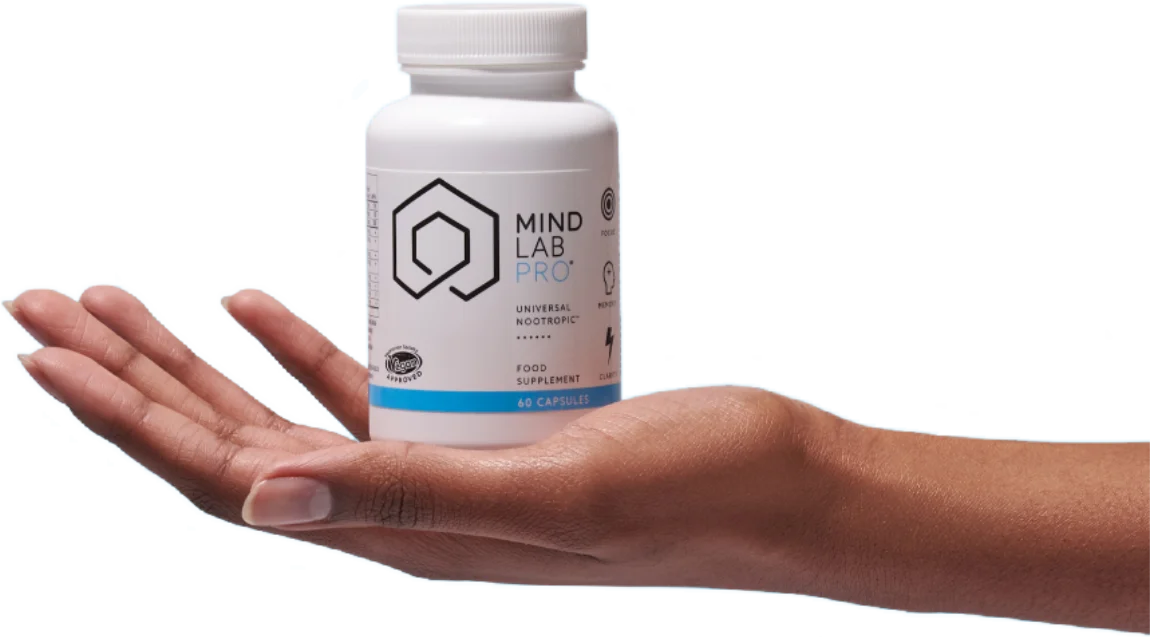


Need a nootropics list you can actually use—without drowning in dozens of unfamiliar names? This guide gives you a big, organized roundup of brain-boosting compounds (herbs, amino acids, nutrients, and more) and highlights the best-in-class options people most often choose for real-world goals like sharper focus, better memory, calmer mood, and stress resilience.
Interest in nootropics is rising alongside the broader supplement boom: CDC/NHANES data show that 57.6% of U.S. adults used at least one dietary supplement in the past 30 days, while the U.S. nootropics market was estimated at $2.81 billion in 2024 and projected to grow through 2030.
The nootropic landscape can be challenging to navigate. This guide has you covered. After taking a broad view of the nootropic landscape, we zoom in to a shorter list of 11 true nootropics that work, safely and effectively -- culminating in the one nootropic stack that may deliver all brain benefits. You’ll also learn how to compare nootropics by what they’re best at, what “stacking” means, and how to narrow the list to a few that fit your needs. Let's get to it!
Key Takeaways
- Nootropics encompass a wide range of substances—including prescription medications, natural supplements, and synthetic compounds—aimed at enhancing cognitive functions like memory, focus, and mental clarity.
- The article lists 85 nootropics, highlighting 11 top-performing options based on safety and efficacy, and introduces a comprehensive "universal stack" designed to support overall brain health.
- While some nootropics offer promising cognitive benefits, the article emphasizes the importance of understanding their mechanisms, potential side effects, and the necessity of choosing high-quality, well-researched products for optimal results.
- Safety & Legality Note: The focus of this article is nootropics available for purchase as dietary supplements; however we do mention pharmaceuticals and some gray-area synthetic nootropics. Learn about nootropic legality here.
Disclaimer
This article is for educational purposes only and is not medical advice. Nootropics may include dietary supplements, herbs, nutrients, synthetic compounds, prescription drugs, research chemicals, and other substances with very different safety, legal, and regulatory profiles. Always consult a qualified healthcare professional before using nootropics, especially if you take medication, have a medical condition, are pregnant or breastfeeding, or are considering synthetic, drug-like, gray-market, or research-use compounds. Dietary supplements are not drugs and should not be used to diagnose, treat, cure, or prevent any disease.
Too many options?
Browse the full list below, or skip straight to the research-driven stack used by experts.
Start with the Universal Nootropic™
Mind Lab Pro® combines 11 research-backed nootropics into one stack.

P.S. Those 11 “best-in-class” are chosen from this very list.
Why pick the stack from this list?
- 11 widely studied nootropics combined for whole-brain support
- Clean label & third-party testing
- Human research reported by Mind Lab Pro®; ingredients discussed in 1,000+ papers
What Are Nootropics?
Nootropics, often referred to as cognitive enhancers or smart drugs, are substances designed to improve memory and cognitive function. These functions include memory, attention, mental processing speed, and overall cognitive performance. Nootropics come in various forms, such as prescription medications, dietary supplements, and natural nootropic substances.
They work by influencing brain chemistry, increasing blood flow to the brain, and promoting the growth of neurons. While some nootropics have shown significant promise in enhancing cognitive performance, others have raised concerns regarding their safety and efficacy. As the popularity of nootropics grows, it is essential to understand their potential benefits and risks.
Nootropics are complicated. By strict definition, only a handful exist. But today, the meaning of "nootropic" has expanded to include anything that affects the brain and its cognitive effects -- regardless of whether it is safe and effective. The following list of nootropics focuses on this general brain supplement category.
Learn More about What Nootropics Are
Choose Your Nootropic Source Wisely
Nootropics can be broadly classified into two main categories: prescription nootropics and dietary supplements. It is essential to note that most nootropics require long-term use to achieve desired effects.
We'll briefly cover some in this next section before we dive into the main list below.
Prescription Nootropics (Smart Drugs)
Prescription nootropics, also known as nootropic drugs, are medications approved by regulatory agencies to treat specific medical conditions, such as attention deficit hyperactivity disorder (ADHD), Alzheimer’s disease, and narcolepsy. These nootropics are typically prescribed by healthcare professionals and are subject to rigorous testing and regulation that reduces possibility of health risks, but they may come with side effects.
Examples of prescription nootropics include:
- Modafinil (Provigil): A wakefulness-promoting agent used to treat narcolepsy and shift work sleep disorder.
- Armodafinil (Nuvigil): Another wakefulness-promoting agent used for similar conditions as Modafinil.
- Atomoxetine (Strattera): A selective norepinephrine reuptake inhibitor used to treat ADHD.
These medications are designed for cognitive neuroenhancement by targeting specific neurotransmitters and brain pathways.
Dietary Supplements
Dietary supplements, on the other hand, are not regulated by the FDA in the same way as prescription medications. They are available in various forms, including capsules, tablets, and powders, and are often marketed as nootropics. This article focuses primarily on dietary supplement nootropics.
The Gray Zone: Synthetic Nootropics
There is a hazy gray area beyond pharmaceutical drug and dietary supplement nootropics: synthetics. These include compounds such as racetams and brain peptides that have drug-like properties. Many of these synthetic nootropics are even prescribed as drugs in other countries. These nootropics create challenges across safety, legality and regulation. Learn more about nootropics that are safe for long-term use.
How Nootropics Work - Safety, Risks, & Side Effects
Researchers have suggested that nootropics function through multiple brain pathways, enhancing the brain’s diverse structures and cognitive functions in various ways.
Learn More about How Nootropics Work
While certain nootropics have shown potential to improve cognitive performance, it is vital to consider their safety and potential side effects.
Common side effects associated with nootropics include:
- Headaches
- Nausea
- Insomnia
- Anxiety
- Increased heart rate and blood pressure
Additionally, some nootropics can interact with other medications, such as blood thinners, and may not be suitable for individuals with certain medical conditions, including high blood pressure or glaucoma. Therefore, it is essential to consult with a healthcare professional before taking any nootropic supplement, especially if you have a pre-existing medical condition or are taking other medications to validate their safety.
It is also important to note that the long-term effects of nootropics on cognitive function and overall health are not well understood. More research is needed to fully comprehend their potential benefits and risks. As with any supplement or medication, informed and cautious use is paramount to ensuring safety and efficacy.
Learn More about Nootropic Side Effects
List of Cognitive Enhancers and Their Nootropic Effects

This list presents 86 brain health supplements-- including all of the most effective nootropics you can buy on the market.
Keep in mind, however, that not all of the nootropics listed below are shown to be effective. In fact, not all of them meet the true definition of nootropic. We'll give more details on true nootropics later in this guide.
Many of these nootropics have shown significant improvement in cognitive functions in various studies and randomized controlled trials.
For each nootropic on this list, there is one reference. This reference does not suggest if a nootropic works or not -- but it does explain why it may be categorized as a nootropic, as well as serving as a starting point for additional research. The list of nootropics follows:
- 5-HTP - amino acid that regulates serotonin and other brain chemicals for relaxation, sleep, and appetite satisfaction.(1)
- Acetyl L-Carnitine – antioxidant suggested to protect neural tissue and power brain cells; may help age-related cognitive issues.(2)
- Alpha Lipoic Acid - fat-soluble antioxidant that can cross the blood-brain barrier and help protect the brain against aging.(3)
- Alpha-GPC - phospholipid choline source suggested to support brain structure and brain chemicals; used for age-related cognitive decline.(4)
- Aniracetam - synthetic Russian racetam primarily used for memory and to improve mood in the elderly.(5)
- Apoaequorin - jellyfish protein used for neuroprotective activity; brand-sponsored research showed benefits for memory and focus.(6)
- Artichoke - supplies luteolin, an active ingredient that may balance the cAMP that regulates memory and mental performance.(7)
- Ashwagandha - adaptogen root herb with benefits for mental energy, stress resistance and mood; may also help with healthy brain aging.(8)
- Astaxanthin – potent antioxidant found in algae and seafood that may offer some brain-protective activity, especially in the context of aging.(9)
- Bacopa monnieri extract – best nootropic herb for students, shown to help boost memory, improve retention of knowledge and strengthen stress resistance.(10)
- Caffeine – not a true nootropic, but a stimulant that blocks adenosine receptors to boost alertness and reduce mental fatigue.(11) Commonly stacked with L-Theanine.
- California poppy - suggested to interact with GABA and HTP receptors for anxiety-soothing effects; also linked to improved sleep quality.(12)
- Cat’s Claw - South American vine herb with early research suggesting neuroprotective activity that may help with brain aging.(13)
- Catuaba – traditional Brazilian bark herb suggested in early animal research to have neuroprotective potential.(14)
- CBD – cannabis derived compound that is suggested to ease anxiety and possess some neuroprotective effects.(15)
- Celastrus paniculatus - woody shrub seeds used in Ayurvedic herbalism; animal research suggests it may help overall brain health.(16)
- Centrophenoxine - synthetic smart drug related to DMAE suggested in animal research to help brain energy and cerebral vascular function.(17)
- Citicoline – best overall nootropic choline source for brain energy and healthy brain structure; shown to help focus, attention, memory, mood.(18)
- Clitoria ternatea - traditional Asian herb suggested in animal research to have memory-enhancing nootropic effects.(19)
- Coluracetam - otherwise called MKC-231, a rarely seen synthetic racetams created to help with brain degeneration.(20)
- Convolvulus pluricaulis - Indian tonic herb and Ayurvedic brain-booster; suggested to help learning, mood and memory in animal research.(21)
- CoQ10 - coenzyme pseudo-vitamin that helps brain health by powering up brain cell mitochondria and supplying anti-aging antioxidant activity.(22)
- Creatine - Creatine supplementation is popular among athletes looking to charge-up their muscles, may work in the same way in the brain to enhance mental energy.(23)
- Choline - similar to B vitamins and related to lecithin, it declines with age but is important for brain chemical acetylcholine and maintaining healthy brain structure.(24)
- DHA (Omega-3 fatty acids) - essential fatty acid that supports brain function and is crucial for early brain development and helpful for sharp cognition in old age.(25)
- DMAE - found in sardines, helps to optimize brain cell structure and has been suggested to help with attention, mood and cognitive decline.(26)
- Forskolin - active ingredients of Coleus Forskohlii, promotes cAMP molecules that helps regulate cell to cell communication, mood and memory storage.(27)
- GABA - inhibitory amino acid that settles nerves producing relaxation and pleasant mood, suggested to help with sleep and potentially attention.(28)
- Ginkgo biloba – ancient Chinese wellness herb enhances brain circulation, strong reputation for helping with memory and age-related cognitive performance.(29)
- Ginseng - adaptogen herb that supports brain chemicals and cAMP while countering stress; energizes mental and physical performance.(30)
- Gotu Kola - traditional Chinese herbal best known for its blood vessel support; maintains circulation to the brain to promote memory and mood, especially in the elderly.(31)
- Guarana - South American Berry that is one of the best natural sources of caffeine, traditionally used to boost mind energy and physical endurance.(32)
- Huperzine-A - synthetic alkaloid from Chinese club Moss, used to sustain acetylcholine levels and shown to help with memory and degenerative brain concerns.(33)
- Kanna (Sceletium tortuosum) - South African herb shown in research to help with mental alertness in seniors with brain degeneration and cognitive deficits.(34)
- Kava Kava - psychoactive root herb used in traditional South Pacific ceremonies; may help promote relaxation, ease anxiety and improve sleep.(35)
- Kratom – controversial legality and questionable safety; a traditional Asian herb that is believed to promote feelings of calmness and positivity.(36)
- L-Glutamine - amino acid that supports glutamate (the primary excitatory neurotransmitter), a key brain chemical for healthy cognition; may also help to protect the brain.(37)
- L-Phenylalanine - amino acid that is a precursor to many of the brain chemicals needed for sharp, clear mental function and mood balance.(38)
- L-Theanine – green tea amino acid that raises Alpha brain waves to promote wakeful relaxation for creativity and productivity; also shown to support sharp mental clarity during aging.(39)
- L-Tryptophan - precursor to five HTP that helps enhance brain chemicals for calm, relaxed moods; also influences melatonin and has been shown to improve sleep quality.(40)
- Lecithin - phospholipid found in egg yolk that supplies choline that in turn forms acetylcholine brain chemical while optimizing brain cell healthy structure.(41)
- Lemon Balm - traditional herb that regulates brain chemicals and their receptors to promote calmness and induce sleep.(42)
- Lion’s Mane Mushroom – raises nerve growth factor to help with brain plasticity, regeneration and repair; shown to enhance mood.(43)
- Magnolia - bark herb supplies active honokiol, which is suggested to balance brain chemistry for relaxation without sedation.(44)
- MCT Oil – supports the use of ketones for brain energy instead of carbohydrates; helpful for mental clarity on keto diet.(45)
- Methylene Blue - Synthetic dye and drug with mitochondrial electron-transfer activity; discussed for brain-energy and memory-support effects. Read more on Methylene Blue.(46)
- NADH - antioxidants coenzyme related to vitamin B3 that is required for cellular energy production; also supports the brain chemical dopamine, linked to motivation.(47)
- Nefiracetam - synthetic racetam smart drug linked with brain chemicals and suggested for helping with age-related memory and cognitive issues.(48)
- Nicotine – hard to classify it as a nootropic, but nicotine has shown nootropic effects in the realm of brainpower.(49)
- Noopept - patented racetam, little research suggests it may have stimulating effects that help with cognitive function.(50)
- Oatstraw - increases Alpha brain waves associated with a state of relaxed alertness.(51)
- Oxiracetam - stimulating racetam used for acetylcholine; may help memory and focus.(52)
- Passionflower - traditional herb with calming properties, believed to balance brain chemicals for relaxation and healthy sleep.(53)
- Phenibut - controversial synthetic nootropic appears to regulate dopamine; suggested to help with mood issues.(54)
- Phenylpiracetam - considered one of the harsher and more powerful racetams, suggested to help with higher-order cognitive function.(55)
- Phosphatidylcholine - phospholipid nootropic that is key for brain regeneration; linked to benefits for memory, mood and overall brain health.(56)
- Phosphatidylserine (PS) – multitasking phospholipid that helps build, power and protect brain cells; best evidence-backed nootropic for memory.(57)
- Picamilon - synthetic compound that binds GABA with niacin; suggested to help with attention and anxiety, but complex legal status.(58)
- Pine Bark Extract – antioxidant complex protects the brain and blood vessels; also promotes nitric oxide for healthy blood flow to the brain; suggested to help with attention and overall brain health.(59)
- Piracetam - the original racetam, and the first “nootropic” – optimizes brain chemicals for stimulating, mood balancing effects.(60)
- Psychobiotics – The gut and the brain are closely connected, and science is discovering that beneficial flora in the GI tract can influence mood and cognitive function.(61)
- Pramiracetam - racetam suggested to help with acetylcholine; may help with memory formation and recall.(62)
- Pterostilbene - antioxidant found in berries believed to help strengthen the brain’s resistance to aging.(63)
- PQQ - super antioxidant that is required for the production of energy within brain cells mitochondria; suggested to help with overall brain health during the aging process.(64)
- Resveratrol - red wine antioxidant that helps to support healthy brain aging by protecting brain cells against free radicals and inflammation.(65)
- Rhodiola rosea – legendary adaptogen root herb from Russia that fights mental fatigue and promotes physical and cognitive endurance by regulating the body’s stress responses.(66)
- Rosemary – Worn as wreath by students in ancient Greece because its aroma sharpens focus; modern uses include age-related cognitive support.(67)
- SAMe - catalyzes and supports several brain functions, including cell signaling and cell membrane function; most popularly used to support mood balance.(68)
- Schizandrol-A - Asian berry supplies this active ingredients suggested to have anti-stress activity and to help protect the brain.(69)
- St. John’s Wort - bright flower herb supplies active hypericin and hyperforin, which balance brain chemicals related to mood; good research profile for helping with depression.(70)
- Sulbutiamine - synthetic vitamin B1 that is molecularly altered to make it fat-soluble and capable of crossing the blood brain barrier; may help general brain health.(71)
- Taurine - amino acid that regulates cell to cell communication, often seen in energy drinks though the only evidence suggests nerve-calming effects.(72)
- Theobromine – Caffeine-like compound sourced from cocoa believed to have stimulating properties with fewer side effects.(73)
- Turmeric - root herb supplies antioxidant complex linked to brain cell protection and long-range cognitive health.(74)
- Tyrosine – precursor used to form brain chemicals tied to attention and focus; shown in research to enhance multiple aspects of mental performance in distracting, multitasking settings.(75)
- Uridine - raw material that is used by the body to make brain-supportive choline and acetylcholine; suggested to have potential for brain regeneration.(76)
- Valerian - ancient root herb that may work by sustaining GABA (soothing brain chemical) levels to promote relaxation and ultimately, sleep.(77)
- Vinpocetine – synthetic form of periwinkle that has a complex legal status but boosts blood flow to the brain when taken by healthy adults.(78)
- Vitamin B1 (Thiamine) - low levels may be linked to pour cognitive performance; suggested to help brain chemicals to function properly.(79)
- Vitamin B3 (Niacin) - suggested to have roles and brain chemical synthesis and brain protection; may help with healthy brain function later in life.(80)
- Vitamin B5 (Pantothenic Acid) - suggested as part of a multivitamin to help with attention-related issues, although evidence is conflicted.(81)
- Vitamin B6 - contributes to nerve sheathing, blood vessel flexibility and brain chemical conversion and synthesis.(82)
- Vitamin B8 - also called inositol, helps with brain cell membrane synthesis and optimizes some neurotransmitters, mainly serotonin.(83)
- Vitamin B9 - plays a key role in regulating homocysteine levels in the blood, thereby supporting cerebrovascular health.(84)
- Vitamin B12 - raw material for nerve-protective myelin, also a key player in brain energy; suggested to help maintain brain volume during aging.(85)
- Yerba Mate – Traditional herb that is brewed into a stimulating tea with focus-enhancing support.(86)
11 Best-in-Class Nootropics
Out of 85 brain supplements that are called nootropics, far fewer are true nootropics.
Only the best of the best have research-backed benefits for brain health, brain protection and mental performance while remaining safe and side effect-free.
Here is a list of best-in-class brain boosters are considered true nootropics. *Note: Click through to each nootropic's standalone page for more background on how they improve mental performance, details on clinical studies, and additional references.
Citicoline as Cognizin®

- Choline source that raises levels of brain-building phosphatidylcholine (PC)
- Promotes brain chemical acetylcholine for mood and mental performance in healthy individuals
- Shown to support mitochondria and help increase brain energy by 13.6%
- Shown to help boost brain cell membrane regeneration by 26%
- Promotes mood balance, memory, attention, focus and concentration
- Helps to protect the brain against age-related structural changes
Phosphatidylserine (PS) as Sharp PS® Green

- Building-block nootropic with versatile brain-supportive bioactivities
- Found in brain cell membranes, where it helps maintain fluidity
- Regulates brain chemicals like acetylcholine and dopamine
- Optimizes brain energy metabolism by enhancing glucose uptake
- Helps raw materials and growth factors for brain cell creation and repair
- Best evidence-backed nootropic for short-term and long-term memory
- May sharpen memory, slow cognitive decline and promote mood in elderly
- Has been shown to help curb the effects of stress and anxiety
- Studied as a sports nutrition supplement for focus
- Suggested to help with mood and overall mental clarity
- Supports long-range brain health
- A systematic review of studies on Phosphatidylserine has confirmed its benefits for cognitive health.
Bacopa Monnieri, 24% bacosides and 9 bioactives

- Ayurvedic cognitive herb that supplies active nootropic bacosides
- Supplies and amplifies cell-protective antioxidant activity in the brain
- Promotes brain chemicals acetylcholine, GABA and serotonin
- Animal research suggests it may boost cerebral blood flow by 25%
- Supports memory performance, both short-range and long-range
- Shown to slow the rate of forgetting newly acquired knowledge
- Helps with mental processing, cognition under stress and relaxation
- Best known as a nootropic for students and other learners
Lion’s Mane Mushroom, Full Spectrum Extract

-
The top mushroom in nature with brain-boosting nootropic properties
- Suggested to support brain plasticity for learning and memories
- Shown to help with mild age-related cognitive impairment
- It has also been shown to help with cognitive impairments in various studies.
- Shown to help maintain a balanced, healthy mood
- Suggested to work in part by stimulating Nerve Growth Factor (NGF) for brain regeneration
Maritime Pine Bark Extract, 95% proanthocyanidins

- Potent antioxidant complex that can cross the blood-brain barrier
- Helps protect the brain and cerebral blood vessels from free radical damage
- Signals for nitric oxide (NO) to enhance blood flow to the brain
- Brain regenerative potential for age-related cognitive and memory issues
- Suggested help with mental energy, focus, attention, learning and other cognitive functions
- Helps to promote long-range brain health, sharp memory and mental clarity
Did you know? Maritime Pine Bark Extract's nitric oxide and blood circulation support align well with sports nutrition applications, which is why it is found in some of today's leading pre-workout supplements.

L-Tyrosine as N-Acetyl-L-Tyrosine (NALT)

- Amino acid precursor to dopamine, epinephrine and norepinephrine
- Assists with mental recovery after stress
- Optimizes memory, mood and mental processing
- Helps cognition under multitasking conditions
- Enhances mental performance under stressful conditions
- Maintains mental sharpness in times of sleep deprivation
- Supports attention and focus
- L-Tyrosine is particularly beneficial for healthy people looking to enhance their cognitive performance.
L-Theanine

- Amino acid nootropic found in green tea
- Increases activity of Alpha brainwaves
- Promotes calm without sedation, known as wakeful relaxation
- Balances calming brain chemicals: Serotonin, dopamine and GABA
- Neuroprotective properties appear to help maintain brain health during aging
- Commonly stacked with caffeine because it reduces its jittery side effects and promotes a cleaner stimulation state.
- L-Theanine also supports overall mental health by promoting relaxation and reducing stress.
Performance Lab® Caffeine 2
Smooth energy. Clarity. Focus. No jitters. No burnout. No crash.
Shop Now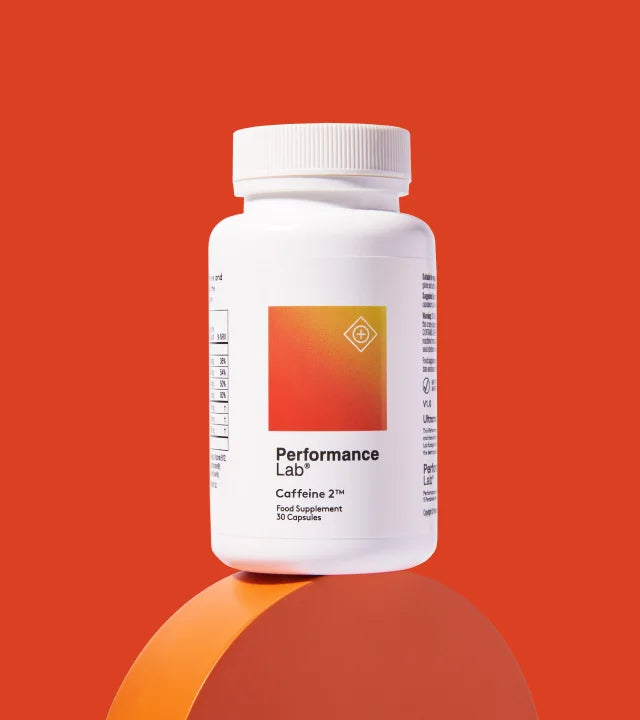
Rhodiola Rosea, 3% rosavins, 1% salidrosides

- Helps stimulate norepinephrine, dopamine, and serotonin
- Acetylcholine-protective and antioxidant properties
- Stimulates bioelectrical activity in the brain with small dosage
- Adaptogen herb that strengthens mind-body stress resistance
- Blunts the release of the stress hormone cortisol
- Energizing effects within 30 minutes and may last for up to six hours
- May help mental processing, learning, attention, mood and work capacity
Systematic reviews have confirmed the cognitive benefits of Rhodiola Rosea. 3% rosavins and 1% salidrosides is the best Rhodiola form; this standardization of Rhodiola's active nootropics is research-backed for cognitive benefits. More on Rhodiola Rosea
B-Complex Vitamins

Vitamin B6 as NutriGenesis®
- Needed for synthesis of cognition-oriented brain chemicals
- Helps with formation of myelin sheaths that protect neurons
- Linked to memory and attention enhancement
- Helps maintain healthy mood brain chemistry
- Supports long-term brain health, memory and clarity
- More on Vitamin B6
Vitamin B9 as NutriGenesis®
- Promotes mood-oriented brain chemicals
- Helps balance homocysteine for good cerebral circulation
- Supports long-range brain health and mental sharpness
- Suggested to help with focus, alertness in socialization
- NutriGenesis® B9 efficiently converts into active nootropic L-methylfolate
- More on Vitamin B9
Vitamin B12 as NutriGenesis®
- Basic vitamin needed for overall central nervous system health
- Promotes formation of myelin nerve sheathing
- Helps protect the brain against age-related shrinkage
- Sharpens mental performance in cases of age-related cognitive decline
- Supports brain energy metabolism
- Vitamin B12 has also been shown to help with cognitive decline in Alzheimer's disease patients.
Performance Lab® NutriGenesis Multi
The world's most advanced multivitamin formula.
Shop Now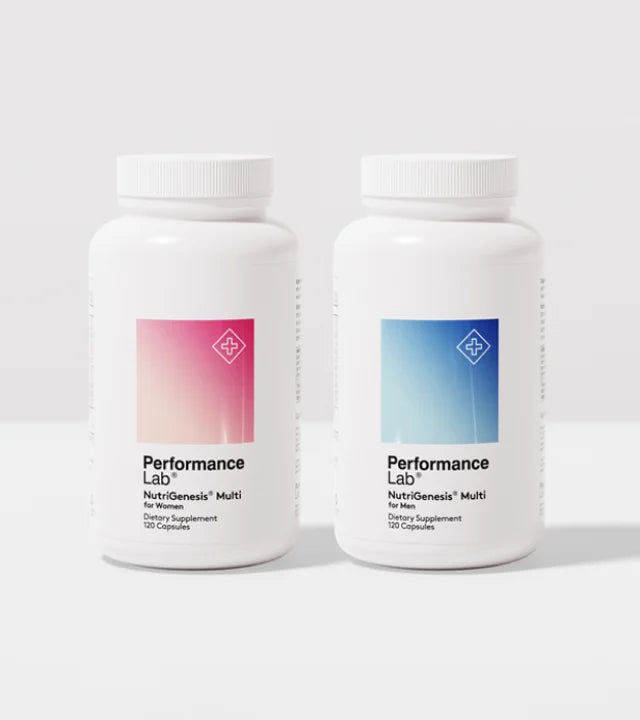
One Universal Nootropic

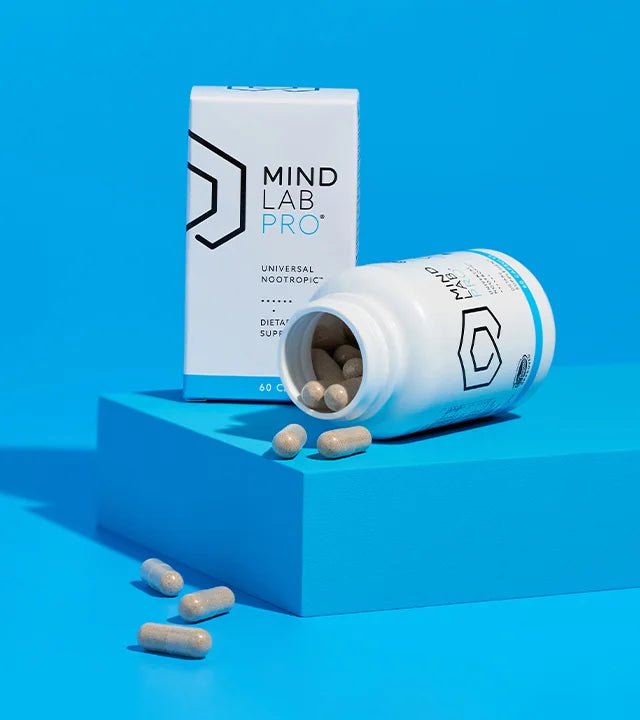
While reviewing the above 11 best-in-class nootropics, you may have asked yourself: What happens if I take all 11 of these at once? With the pre-made stack nootropic supplement Mind Lab Pro®, you can find out.
Mind Lab Pro® Ingredients (per serving): Citicoline (CDP Choline) 250mg, Phosphatidylserine (from sunflower lecithin) 100mg, Bacopa monnieri 150mg (24% bacosides), Organic Lion’s Mane Mushroom 500mg (fruit and mycelium), Maritime Pine Bark Extract 75mg (95% proanthocyanidins), N-Acetyl L-Tyrosine 175mg, L-Theanine 100mg, Rhodiola rosea 50mg (3% rosavins, 1% salidrosides), NutriGenesis® Vitamin B6 2.5mg, Vitamin B9 100mcg, Vitamin B12 7.5mcg.
Out of 80+ nootropics, Mind Lab Pro® selected the 11 best-in-class brain boosters on this list because they are:
- Supported by strong evidence suggesting a diverse range of brain health benefits;
- Complementary, working well as a team to enhance overall cognitive performance;
- Safe, backed by abundant research demonstrating safety and tolerability
Mind Lab Pro® is formulated with these best-in-class nootropics in superior forms -- including advanced botanicals and branded nootropics with unique patented advantages.
This Universal Nootropic™ nootropic stacking strategy -- innovated by Mind Lab Pro® -- optimizes multiple brain pathways at once to promote overall brain health, enhance all types of thinking and unlock a peak-performing mental state known as 100% Brainpower:
From a long list of nootropics, Mind Lab Pro® chose 11 best-in-class brain-boosters that work in many ways to unlock the brain's full potential.
Mind Lab Pro® Human Studies
Study #1: Information Processing and Reaction Time
In a double-blind, placebo-controlled study from the University of Leeds, 105 healthy adults took Mind Lab Pro® or placebo for 30 days and completed tests measuring simple reaction time, choice reaction time, and anticipatory timing. The Mind Lab Pro® group showed significant improvements across information-processing tasks, including faster reaction time, better decision-making speed, and a 47% improvement in anticipatory response speed.(85)
Study #2: Memory Performance
A second double-blind, placebo-controlled study evaluated Mind Lab Pro® in 49 healthy adults ages 20 to 68 over 30 days using the Wechsler Memory Scale-IV UK. Participants taking Mind Lab Pro® showed improvements across several memory domains, including auditory memory, visual memory, working memory, immediate recall, and delayed recall, with reported gains of approximately 28% in immediate recall and 26% in delayed recall.(86)
Study #3: Brain Network Activity and Perceptual Processing
A 2025 randomized, double-blind, placebo-controlled study examined Mind Lab Pro® over 60 days in 32 participants using a perceptual decision-making task with brief, blurry face and car images while measuring EEG activity. While the study did not find faster or more accurate decisions, it did report increased brain network interdependencies and coordination, especially in the delta band, suggesting deeper and more connected neural processing.(87)
Read the full story on Mind Lab Pro® studies.
I was skeptical at first, but I can say that I feel sharper and more clear minded than as long as I can remember.John Y
Frequently Asked Questions
What are nootropics and what do they do?
Nootropics are substances used to support cognitive performance, including memory, focus, attention, mental processing speed, and overall brain function. They can include prescription medications, natural herbs, amino acids, vitamins, and other dietary supplements. In this guide, the term nootropics is used in the broader modern sense, which includes many brain supplements, not only the strict original definition of true nootropics. If you want a deeper explanation of how nootropics are defined and categorized, read What Are Nootropics.
What are some nootropics I can start with from this list?
If you are just getting started, the most practical approach is to begin with well known nootropics that have strong research support and clear use cases. This page highlights best in class options such as Citicoline, Phosphatidylserine, Bacopa Monnieri, Lion’s Mane Mushroom, L-Theanine, Rhodiola Rosea, Maritime Pine Bark Extract, L-Tyrosine, and key B vitamins. These ingredients are featured because they are presented as safer, more effective, and more evidence backed than many of the other compounds in the larger 85 item list. For a focused breakdown of top choices, see best nootropic supplements.
What is the best nootropic supplement?
The page does not present one single standalone ingredient as the best choice for everyone because different nootropics support different goals, such as memory, focus, mood, or stress resilience. Instead, it identifies 11 best in class nootropics and recommends a combined stack approach for broader support. The featured stack is Mind Lab Pro®, which combines those 11 nootropics in one formula to support multiple brain pathways at the same time. If you want to learn more about how stacking works, visit nootropic stacking strategies.
What is the difference between nootropic drugs and nootropic supplements?
Nootropic drugs are prescription medications used for specific medical conditions such as ADHD, narcolepsy, or Alzheimer’s disease, and they are regulated and prescribed by healthcare professionals. Nootropic supplements are non prescription products such as herbs, amino acids, and vitamins that are sold as dietary supplements and are not regulated the same way as prescription drugs. This page includes both categories so you can understand the full nootropics landscape, but it emphasizes choosing evidence backed ingredients and reputable sources. For more on safety and how these compounds affect the brain, see How Nootropics Work and Nootropic Side Effects.
How do I compare brain supplements and choose the right nootropic for my goal?
The best way to compare brain supplements is to match the ingredient to your main goal first, then check quality, research support, and tolerability. For example, this guide highlights Citicoline and Phosphatidylserine for memory and focus, Bacopa for learning and retention, L-Theanine for calm focus, Rhodiola for stress and mental energy, and Lion’s Mane for brain plasticity and long term support. It also recommends choosing high quality forms and standardized extracts, because the form of an ingredient can affect how well it works. If you want a more detailed ingredient level breakdown, the ingredients page is a helpful next step: Mind Lab Pro Ingredients.
Are nootropics safe, and do they have side effects?
Some nootropics are well tolerated, but safety depends on the ingredient, dosage, product quality, and your health history. This page notes that common side effects across nootropics can include headaches, nausea, insomnia, anxiety, and increased heart rate or blood pressure. It also explains that some nootropics may interact with medications, including blood thinners, and may not be suitable for certain conditions. You should review side effects and interactions carefully and speak with a healthcare professional before starting a new nootropic, especially if you take medication or have a medical condition. For a fuller safety overview, read Nootropic Side Effects.
What happens if you stack nootropics instead of taking just one?
Stacking means combining multiple nootropics so they can support different brain pathways together, rather than relying on a single ingredient. This page explains that the idea behind a universal stack is to support memory, focus, mood, mental energy, stress resilience, and long term brain health at the same time. It also notes that the 11 best in class nootropics were selected because they are complementary, research supported, and generally well tolerated. If you want to understand the stacking approach in more detail, read Nootropic Stacking Strategies.
Summary
This list of nootropics -- while not complete -- is a good at-a-glance representation of the vast number of potential brain-boosters that may be found in popular nootropic supplements. As nootropics continue to gain scientific validation, this list will only continue to grow.
For those seeking a nootropics list to find one brain-booster to try out, there are many good standalone options above. For those researching nootropic lists to explore the potential of combining several into a powerful brain-boosting stack, Mind Lab Pro® is the ideal solution:
Mind Lab Pro® combines 11 best-in-class nootropics in upgraded forms into a true Universal Nootropic™ that works for everyone, is safe for everyone, and fits any lifestyle.
References
- Turner, E. H., Loftis, J. M., & Blackwell, A. D. (2006). Serotonin a la carte: Supplementation with the serotonin precursor 5-hydroxytryptophan. Pharmacology & Therapeutics, 109(3), 325-338. Link
- Spagnoli, A., Lucca, U., Menasce, G., et al. (1991). Long-term acetyl-L-carnitine treatment in Alzheimer’s disease. Neurology, 41(11), 1726-1732. Link
- Maczurek, A., Hager, K., Kenklies, M., et al. (2008). Lipoic acid as an anti-inflammatory and neuroprotective treatment for Alzheimer’s disease. Advanced Drug Delivery Reviews, 60(13-14), 1463-1470. Link
- Parnetti, L., et al. (2001). Choline alphoscerate in cognitive decline and in acute cerebrovascular disease: An analysis of published clinical data. Mechanisms of Ageing and Development, 122(16), 2041-2055. Link
- Perng, C. H., et al. (2018). The treatment of cognitive dysfunction in dementia: A multiple treatments meta-analysis. Psychopharmacology. Link
- Moran, D. L., et al. (2016). Effects of a supplement containing apoaequorin on verbal learning in older adults in the community. Advances in Mind-Body Medicine, 30(1), 4-11. Link
- Wang, H., et al. (2016). Ameliorating effect of luteolin on memory impairment in an Alzheimer’s disease model. Molecular Medicine Reports, 13(5), 4215-4220. Link
- Chandrasekhar, K., Kapoor, J., & Anishetty, S. (2012). A prospective, randomized double-blind, placebo-controlled study of safety and efficacy of a high-concentration full-spectrum extract of ashwagandha root in reducing stress and anxiety in adults. Indian Journal of Psychological Medicine, 34(3), 255-262. Link
- Katagiri, M., et al. (2012). Effects of astaxanthin-rich Haematococcus pluvialis extract on cognitive function: A randomised, double-blind, placebo-controlled study. Journal of Clinical Biochemistry and Nutrition, 51(2), 102-107. Link
- Roodenrys, S., et al. (2002). Chronic effects of Brahmi (Bacopa monnieri) on human memory. Neuropsychopharmacology, 27(2), 279-281. Link
- Ruxton, C. H. S. (2008). Cognitive function is not influenced by increasing caffeine dose. Nutrition Bulletin, 33(1), 15-25. Link
- Fedurco, M., et al. (2015). Modulatory effects of Eschscholzia californica alkaloids on recombinant GABAA receptors. Biochemistry Research International, 2015, 617620. Link
- Mohamed, A. F., et al. (2000). Effects of Uncaria tomentosa total alkaloid and its components on experimental amnesia in mice: Elucidation using the passive avoidance test. Journal of Pharmacy and Pharmacology, 52, 1553-1561. Link
- Chassot, J. M., et al. (2011). Preclinical evaluation of Trichilia catigua extracts on the central nervous system of mice. Journal of Ethnopharmacology, 137(3), 1143-1148. Link
- Crippa, J. A., et al. (2011). Neural basis of anxiolytic effects of cannabidiol (CBD) in generalized social anxiety disorder: A preliminary report. Journal of Psychopharmacology, 25(1), 121-130. Link
- Bhanumathy, M., et al. (2010). Nootropic activity of Celastrus paniculatus seed. Pharmaceutical Biology, 48(3), 324-327. Link
- Marcer, D., & Hopkins, S. M. (1977). The differential effects of meclofenoxate on memory loss in the elderly. Age and Ageing, 6(2), 123-131. Link
- Silveri, M. M., et al. (n.d.). Cognizin® citicoline increases brain energy (ATP) by 14% and speeds up formation of brain membranes by 26% in healthy adults. Society for Neuroscience. Link
- Rai, K. S., et al. (2001). Clitoria ternatea root extract treatment during growth spurt period enhances learning and memory in rats. Indian Journal of Physiology and Pharmacology, 45(3), 305-313. Link
- Murai, S., et al. (1994). MKC-231, a choline uptake enhancer, ameliorates working memory deficits and decreased hippocampal acetylcholine induced by ethylcholine aziridinium ion in mice. Journal of Neural Transmission. General Section, 98(1), 1-13. Link
- Dhingra, D., et al. (2007). Evaluation of the antidepressant-like activity of Convolvulus pluricaulis Choisy in the mouse forced swim and tail suspension tests. Medical Science Monitor, 13(7), BR155-BR161. Link
- Littarru, G. P., & Tiano, L. (2007). Bioenergetic and antioxidant properties of coenzyme Q10: Recent developments. Molecular Biotechnology, 37(1), 31-37. Link
- McMorris, T., et al. (2006). Effect of creatine supplementation and sleep deprivation, with mild exercise, on cognitive and psychomotor performance, mood state, and plasma concentrations of catecholamines and cortisol. Psychopharmacology, 185(1), 93-103. Link
- Blusztajn, J. K. (2017). Neuroprotective actions of dietary choline. Nutrients, 9(8). Link
- Schaefer, E. J. (2006). Plasma phosphatidylcholine docosahexaenoic acid content and risk of dementia and Alzheimer disease: The Framingham Heart Study. Archives of Neurology, 63(11), 1545-1550. Link
- Ferris, S. H., et al. (1977). Senile dementia: Treatment with deanol. Journal of the American Geriatrics Society, 25(6), 241-244. Link
- Ando, S., et al. (1987). Delayed memory dysfunction by transient hypoxia, and its prevention with forskolin. Brain Research, 405(2), 371-374. Link
- Abdou, A. M., Higashiguchi, S., Horie, K., et al. (2006). Relaxation and immunity enhancement effects of gamma-aminobutyric acid (GABA) administration in humans. BioFactors, 26, 201-208. Link
- Rai, G. S., Shovlin, C., & Wesnes, K. A. (1991). A double-blind, placebo-controlled study of Ginkgo biloba extract (‘tanakan’) in elderly outpatients with mild to moderate memory impairment. Current Medical Research and Opinion, 12, 350-355. Link
- Reay, J. L., Kennedy, D. O., & Scholey, A. B. (2006). Effects of Panax ginseng, consumed with and without glucose, on blood glucose levels and cognitive performance during sustained mentally demanding tasks. Journal of Psychopharmacology, 20(6), 771-781. Link
- Wattanathorn, J., et al. (2008). Positive modulation of cognition and mood in the healthy elderly volunteer following the administration of Centella asiatica. Journal of Ethnopharmacology, 116(2), 325-332. Link
- Kennedy, D. O., Haskell, C. F., et al. (2004). Improved cognitive performance in human volunteers following administration of guarana (Paullinia cupana) extract: Comparison and interaction with Panax ginseng. Pharmacology Biochemistry and Behavior, 79(3), 401-411. Link
- Xu, S. S., et al. (1995). Efficacy of tablet huperzine-A on memory, cognition, and behavior in Alzheimer’s disease. Acta Pharmacologica Sinica, 16(5), 391-395. Link
- Chiu, S., et al. (2014). Proof-of-concept randomized controlled study of cognition effects of the proprietary extract Sceletium tortuosum (Zembrin) targeting phosphodiesterase-4 in cognitively healthy subjects: Implications for Alzheimer’s dementia. Evidence-Based Complementary and Alternative Medicine, 2014, 682014. Link
- Sarris, J., et al. (2013). Kava in the treatment of generalized anxiety disorder: A double-blind, randomized, placebo-controlled study. Journal of Clinical Psychopharmacology, 33(5), 643-648. Link
- Suhaima, W. (2016). Neurobiology of kratom and its main alkaloid mitragynine. Brain Research Bulletin, 126(1), 29-40. Link
- Rae, C., et al. (2003). Inhibition of glutamine transport depletes glutamate and GABA neurotransmitter pools: Further evidence for metabolic compartmentation. Journal of Neurochemistry, 85(2), 503-514. Link
- Beckmann, H., Athen, D., Olteanu, M., & Zimmer, R. (1979). DL-phenylalanine versus imipramine: A double-blind controlled study. Archiv für Psychiatrie und Nervenkrankheiten, 227(1), 49-58. Link
- Kakuda, T., et al. (2011). Neuroprotective effects of theanine and its preventive effects on cognitive dysfunction. Pharmacological Research, 64(2), 162-168. Link
- Korner, E., et al. (1986). Sleep-inducing effect of L-tryptophane. European Neurology, 25(Suppl 2), 75-81. Link
- Higgins, J. P. T., & Flicker, L. (2003). Lecithin for dementia and cognitive impairment. Cochrane Database of Systematic Reviews(3), CD001015. Link
- Kennedy, D. O., et al. (2004). Attenuation of laboratory-induced stress in humans after acute administration of Melissa officinalis (lemon balm). Psychosomatic Medicine, 66(4), 607-613. Link
- Mori, K., et al. (2009). Improving effects of the mushroom Yamabushitake (Hericium erinaceus) on mild cognitive impairment: A double-blind placebo-controlled clinical trial. Phytotherapy Research, 23(3), 367-372. Link
- Lee, Y. K., et al. (2009). Protective effect of the ethanol extract of Magnolia officinalis and 4-O-methylhonokiol on scopolamine-induced memory impairment and the inhibition of acetylcholinesterase activity. Journal of Natural Medicines, 63(3), 274-282. Link
- Reger, M. A., et al. (2004). Effects of beta-hydroxybutyrate on cognition in memory-impaired adults. Neurobiology of Aging, 25(3), 311-314. Link
- ITEM
- Forsyth, L. M., et al. (1999). Therapeutic effects of oral NADH on the symptoms of patients with chronic fatigue syndrome. Annals of Allergy, Asthma & Immunology, 82(2), 186-191. Link
- Narahashi, T., et al. (2003). Unique mechanism of action of Alzheimer’s drugs on brain nicotinic acetylcholine receptors and NMDA receptors. Life Sciences, 74(2-3), 281-291. Link
- Rusted, J. M., & Trawley, S. (2006). Comparable effects of nicotine in smokers and nonsmokers on a prospective memory task. Neuropsychopharmacology, 31(7), 1545-1549. Link
- Ostrovskaia, R. U., et al. (2002). The original novel nootropic and neuroprotective agent noopept. Eksperimental’naia i Klinicheskaia Farmakologiia, 65, 66-72. Link
- Dimpfel, W., Storni, C., & Verbruggen, M. (2011). Ingested oat herb extract (Avena sativa) changes EEG spectral frequencies in healthy subjects. Journal of Alternative and Complementary Medicine, 17(5), 427-434. Link
- Bottini, G., et al. (1992). Oxiracetam in dementia: A double-blind, placebo-controlled study. Acta Neurologica Scandinavica, 86, 237-241. Link
- Akhondzadeh, S., et al. (2001). Passionflower in the treatment of generalized anxiety: A pilot double-blind randomized controlled trial with oxazepam. Journal of Clinical Pharmacy and Therapeutics, 26(5), 363-367. Link
- Tiurenkov, I. N., et al. (2012). Fenibut and its citrate prevent psychoneurological disorders caused by chronic stress. Eksperimental’naia i Klinicheskaia Farmakologiia, 75(6), 8-13. Link
- Bobkov, I. G., Morozov, I. S., Glozman, O. M., Nerobkova, L. N., & Zhmurenko, L. A. (1983). Pharmacological characteristics of a new phenyl analog of piracetam—4-phenylpiracetam. Biulleten’ Eksperimental’noi Biologii i Meditsiny, 95, 50-53. Link
- Ladd, S. L., et al. (1993). Effect of phosphatidylcholine on explicit memory. Clinical Neuropharmacology, 16(6), 540-549. Link
- Kato-Kataoka, A., et al. (2010). Soybean-derived phosphatidylserine improves memory function of the elderly Japanese subjects with memory complaints. Journal of Clinical Biochemistry and Nutrition, 47(3), 246-255. Link
- Kopelevich, V. M. (1997). Synthesis and study of psychotropic and hypotensive properties of new picamilon derivatives. Pharmaceutical Chemistry Journal, 31(10), 536-539. Link
- Devaraja, S., et al. (2002). Supplementation with a pine bark extract rich in polyphenols increases plasma antioxidant capacity and alters the plasma lipoprotein profile. Lipids, 37(10). Link
- Winblad, B. (2005). Piracetam: A review of pharmacological properties and clinical uses. CNS Drug Reviews, 11, 169-182. Link
- Dinan, T. G., Stanton, C., & Cryan, J. F. (2013). Psychobiotics: A novel class of psychotropic. Biological Psychiatry, 74(10), 720-726. Link
- McLean, A., Jr., Cardenas, D. D., Burgess, D., & Gamzu, E. (1991). Placebo-controlled study of pramiracetam in young males with memory and cognitive problems resulting from head injury and anoxia. Brain Injury, 5, 375-380. Link
- Zhou, Y., et al. (2015). Orally administrated pterostilbene attenuates acute cerebral ischemia-reperfusion injury in a dose- and time-dependent manner in mice. Pharmacology Biochemistry and Behavior, 135, 199-209. Link
- Kim, J., et al. (2010). Pyrroloquinoline quinone inhibits the fibrillation of amyloid proteins. Prion, 4(1), 26-31. Link
- Witte, A. V., et al. (2014). Effects of resveratrol on memory performance, hippocampal functional connectivity, and glucose metabolism in healthy older adults. Journal of Neuroscience, 34(23), 7862-7870. Link
- Darbinyan, V., Kteyan, A., Panossian, A., et al. (2000). Rhodiola rosea in stress-induced fatigue: A double-blind cross-over study of a standardized extract SHR-5 with a repeated low-dose regimen on the mental performance of healthy physicians during night duty. Phytomedicine, 7, 365-371. Link
- Habtemariam, S. (2016). The therapeutic potential of rosemary (Rosmarinus officinalis) diterpenes for Alzheimer’s disease. Evidence-Based Complementary and Alternative Medicine, 2016, 2680409. Link
- Rosenbaum, J. F., et al. (1990). The antidepressant potential of oral S-adenosyl-L-methionine. Acta Psychiatrica Scandinavica, 81(5), 432-436. Link
- Sowndhararajan, K., et al. (2018). An overview of neuroprotective and cognitive enhancement properties of lignans from Schisandra chinensis. Biomedicine & Pharmacotherapy, 97, 958-968. Link
- Fava, M., et al. (2005). A double-blind, randomized trial of St John’s wort, fluoxetine, and placebo in major depressive disorder. Journal of Clinical Psychopharmacology, 25(5), 441-447. Link
- Tiev, K. P., et al. (1999). Treatment of chronic postinfectious fatigue: Randomized double-blind study of two doses of sulbutiamine (400-600 mg/day) versus placebo. Revue de Médecine Interne, 20(10), 912-918. Link
- Kong, W. X., et al. (2006). Effects of taurine on rat behaviors in three anxiety models. Pharmacology Biochemistry and Behavior, 83(2), 271-276. Link
- Franco, R., et al. (2015). The relevance of theobromine for the beneficial effects of cocoa consumption. Frontiers in Pharmacology, 6, 30. Link
- Cox, K. H. M., Pipingas, A., & Scholey, A. B. (2014). Investigation of the effects of solid lipid curcumin on cognition and mood in a healthy older population. Journal of Psychopharmacology. Link
- Mahoney, C. R., et al. (2007). Tyrosine supplementation mitigates working memory decrements during cold exposure. Physiology & Behavior, 92(4), 575-582. Link
- van Groeningen, C. J., et al. (1991). Clinical and pharmacologic study of orally administered uridine. Journal of the National Cancer Institute, 83(6), 437-441. Link
- Fernandez, S., et al. (2004). Sedative and sleep-enhancing properties of linarin, a flavonoid isolated from Valeriana officinalis. Pharmacology Biochemistry and Behavior, 77(2), 399-404. Link
- Subhan, Z., & Hindmarch, I. (1985). Psychopharmacological effects of vinpocetine in normal healthy volunteers. European Journal of Clinical Pharmacology, 28(5), 567-571. Link
- Butterworth, R. F. (2003). Thiamin deficiency and brain disorders. Nutrition Research Reviews, 16(2), 277-284. Link
- Haslam, R. H., Dalby, J. T., & Rademaker, A. W. (1984). Effects of megavitamin therapy on children with attention deficit disorders. Pediatrics, 74, 103-111. Link
- Deijen, J. B., van der Beek, E. J., Orlebeke, J. F., & van den Berg, H. (1992). Vitamin B-6 supplementation in elderly men: Effects on mood, memory, performance and mental effort. Psychopharmacology, 109(4), 489-496. Link
- Palatnik, A., et al. (2001). Double-blind, controlled, crossover trial of inositol versus fluvoxamine for the treatment of panic disorder. Journal of Clinical Psychopharmacology, 21(3), 335-339. Link
- Smith, A. D., & Refsum, H. (2016). Homocysteine, B vitamins, and cognitive impairment. Annual Review of Nutrition, 36, 211-239. Link
- Murakami, K., et al. (2008). Dietary intake of folate, other B vitamins, and omega-3 polyunsaturated fatty acids in relation to depressive symptoms in Japanese adults. Nutrition, 24(2), 140-147. Link
- Prediger, R. D., et al. (2008). Effects of acute administration of the hydroalcoholic extract of mate tea leaves (Ilex paraguariensis) in animal models of learning and memory. Journal of Ethnopharmacology, 120(3), 465-473. Link
- Utley, A., Gonzalez, Y., & Imboden, C. A. (2023). The efficacy of a nootropic supplement on information processing in adults: A double blind, placebo controlled study. Biomedical Journal of Scientific & Technical Research, 49(1). Link
- Abbott-Imboden, C., Gonzalez, Y., & Utley, A. (2023). Efficacy of the nootropic supplement Mind Lab Pro on memory in adults: Double blind, placebo-controlled study. Human Psychopharmacology: Clinical and Experimental, 38(3), e2872. Link
- O’Reilly, D., Bolam, J., Delis, I., & Utley, A. (2025). Neural mechanisms of cognitive enhancement with a nootropic supplement. Brain Sciences, 15(3), 226. Link